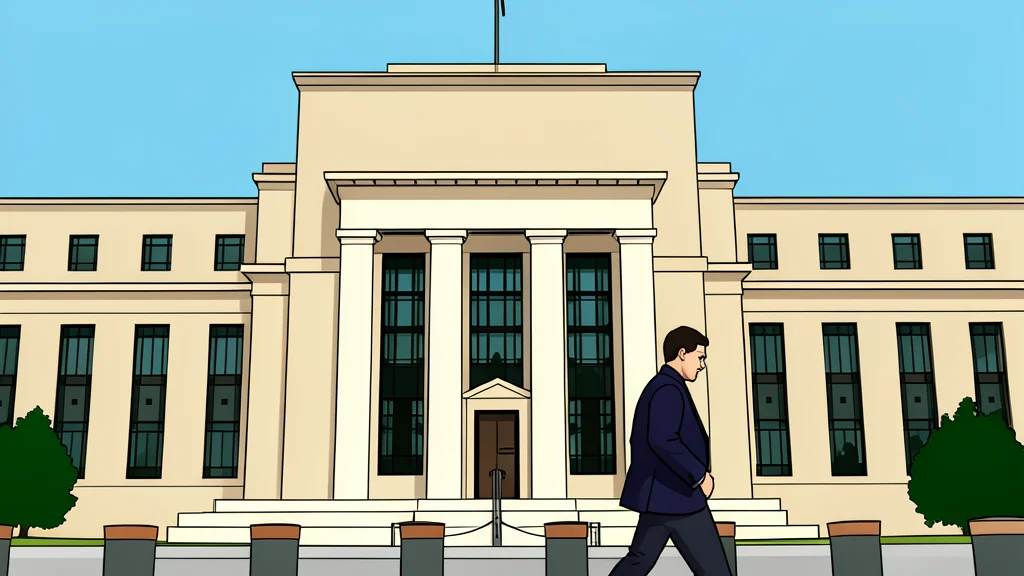
Fed Hikes Rates to 4 Percent Amid Debt Concerns

The Federal Reserve raised its benchmark rate by 25 basis points. This move signals a commitment to fight inflation despite rising government debt.
The Federal Reserve raised its benchmark federal funds rate by 25 basis points. The new range sits between 3.75% and 4.00%. This is the first increase since 2023. The decision was unanimous. It signals that controlling inflation remains the primary objective. This stance puts the central bank at odds with the White House. President Trump has advocated for significantly lower rates. The market had fully priced in this move. However, investors view this as the start of a broader tightening cycle. It is not seen as a one-time adjustment.
Rodney Sullivan of the Darden School of Business notes the shift. He states that monetary policy must restore confidence. The goal is to return inflation to the target level. The Fed made clear its commitment to price stability. This credibility is essential for long-term economic health. Investors are watching closely for further signals. They expect the policy to remain restrictive. This could influence future borrowing costs significantly.
Mortgage Rates Approach Seven Percent
Higher rates increase the cost of borrowing. Households face higher payments on mortgages. Credit card balances also become more expensive. Some student loans see similar increases. The thirty-year fixed mortgage rate tracks the ten-year Treasury yield. That yield hit 5.04% on Tuesday. It was the highest level in nearly two decades. It then eased back to approximately 5.00%. Mortgage rates followed this trend closely. A thirty-year conventional loan approached 7.00%. This is the first time since early in the year. The Fed does not set these long-term rates directly. However, its actions influence investor expectations. This drives the cost of consumer and business credit.
Federal Debt Exceeds Forty Trillion Dollars
Federal debt has passed a record 40 trillion dollars. Annual net interest costs now exceed 1 trillion dollars. This figure is comparable to national defense spending. The federal deficit stands at roughly 6% of GDP. It is expected to remain elevated. Investors demand more compensation for holding Treasuries. They worry about the government's borrowing needs. Sullivan argues a credible plan is needed. This plan must address future deficits. It may require slower spending growth. It may also require higher tax revenue. Immediate austerity could weaken the economy. Instead, a believable commitment is required. This would put debt on a sustainable path.
Yields Driven by Inflation Expectations
Bond yields reflect several economic forces. Expected inflation is a major factor. Economic growth also plays a role. Federal Reserve policy influences the trajectory. The balance between borrowing and demand matters. Higher oil prices can fuel inflation. This leads investors to expect higher rates. Geopolitical conflict can disrupt energy supplies. This has a similar effect. GN auto markets/bonds reports that these factors drive the yield curve. If the Fed maintains its restrictive stance, credibility may return. This could cause long-term yields to fall. Lower yields would reduce borrowing costs. The government cannot dictate long-term rates. But it can influence investor confidence. This confidence determines the cost of capital.