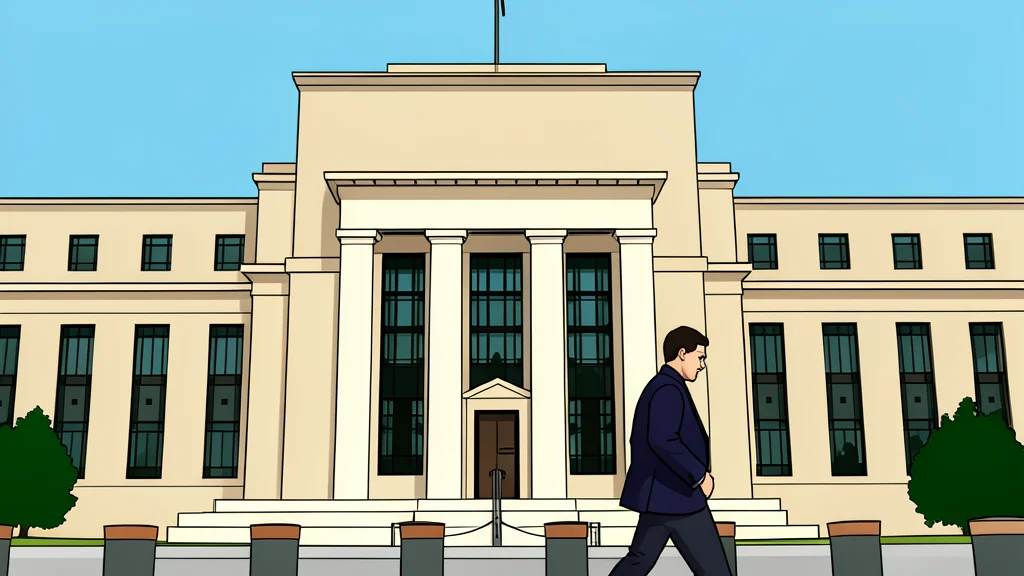
Fed Lifts Rates to 4% as Inflation Holds Firm

The Federal Reserve raised its benchmark rate by 25 basis points, citing persistent price pressures that remain above the 2% target.
The Federal Reserve raised its benchmark interest-rate range by 0.25 percentage points to 3.75%–4.0%. This marks the first tightening of monetary policy since 2023.
The Federal Open Market Committee voted unanimously to lift the target federal funds rate. The move aims to curb persistent inflation that has remained elevated for an extended period.
Inflation remains above target levels
Fed Chair Kevin Warsh stated that inflation is too high and has persisted for too long. He noted that the central bank’s preferred inflation measure rose approximately 3.6% over the 12 months through August.
Warsh indicated that summer data did not show sufficient improvement in underlying inflation. Several commodity prices have recently increased, reinforcing the need for a measured policy response.
Borrowers face higher financing costs
Consumers holding variable-rate debts will likely see increased monthly payments. Credit card rates and home equity lines of credit are expected to rise relatively quickly.
A consumer carrying a $10,000 balance may incur roughly $25 more in annual interest. New auto and personal loan rates are also positioned to increase as lenders adjust pricing.
Savers benefit from improved yields
Banks and money-market funds may offer higher returns on savings accounts and certificates of deposit. However, financial institutions are not required to pass the full rate increase to depositors.
The Fed aims to slow demand without damaging employment. Unemployment is projected to hold near 4.1%, with the median policymaker forecasting another rate increase before year-end.
According to GN markets/inflation (en-US), the immediate impact for households is mixed. Borrowing becomes more expensive, but controlling inflation may eventually ease pressure on food, energy, and housing costs.