Fed Raises Rates to 4.0% Against Presidential Pressure
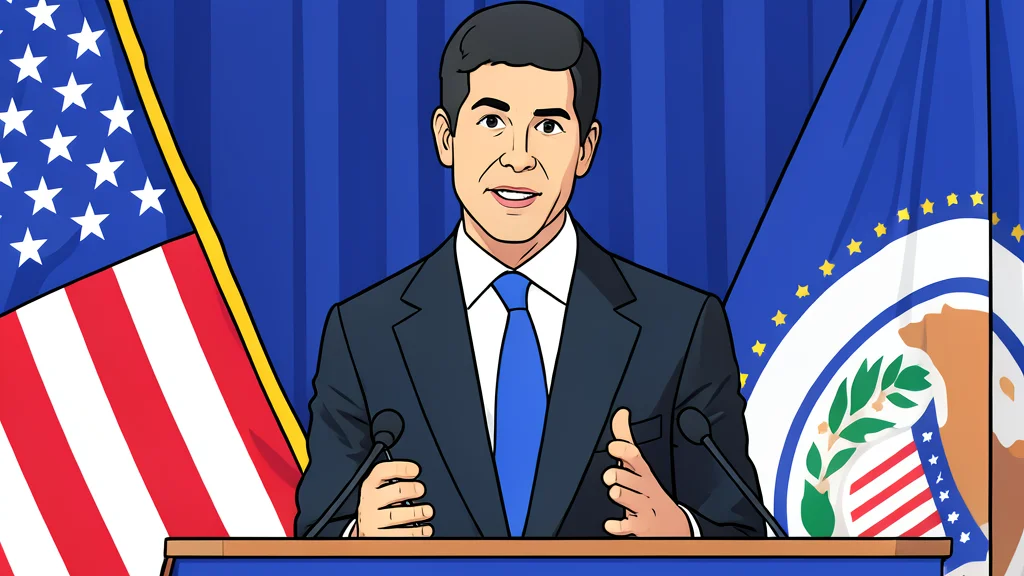
The Federal Reserve increased its benchmark rate to a 3.75%-4.00% target range. This is the first hike since 2023.
The Federal Reserve raised its benchmark interest rate to a target range of 3.75% to 4.00%. This marks the first rate increase since 2023. The board voted unanimously to lift the rate by a quarter percentage point. The decision directly contradicts President Donald Trump’s repeated demands for lower borrowing costs.
Federal Reserve Chair Kevin Warsh supported the move. He stated that inflation remains too high for too long. The central bank aims to return annual inflation to its long-term target of 2%. Current annual inflation reached 3.4% in August. Higher energy prices continue to pressure household budgets.
Policy Outlook and Inflation Projections
Fed officials anticipate further tightening. Sixteen of eighteen policymakers expect at least one additional quarter-point increase before the end of 2026. The bank projects that inflation will not return to the 2% target until 2029. Economic activity continues to expand at a solid pace. Inflation remains elevated despite these forecasts.
The Fed’s dual mandate requires promoting maximum employment and maintaining stable prices. Officials cited persistent inflation as the primary driver for the hike. The central bank notes that economic conditions justify this restrictive stance. The goal is to cool price growth without destabilizing the labor market.
Consumer Borrowing Costs Rise
Higher federal funds rates increase borrowing costs for consumers. Credit card rates and home equity lines of credit respond quickly to these changes. Auto loans and mortgage rates are not directly set by the Fed. However, broader interest-rate conditions influence what consumers pay. Americans facing higher prices may now face steeper debt service costs.
Variable-rate debt becomes more expensive immediately. Fixed-rate loans may see higher new issuance rates. The financial sector transmits these rate changes to the real economy. This process adds financial stress to households. The cost of living rises alongside the cost of capital.
Political Tension Over Monetary Policy
President Trump criticized the decision immediately. He posted on Truth Social that rates should be 1% or less. He called on the Fed to lower rates quickly. The president accused board members of being hostile and political. He maintained confidence in Chair Warsh despite the disagreement.
The conflict highlights the tension between executive and monetary policy. Trump has spent months demanding lower interest rates. The Fed moved in the opposite direction. This divergence occurred despite Warsh being selected by Trump. According to GN markets/policy (en-US), the Fed prioritized its statutory goals over political pressure.