Fed Rate Hike Expected Amid Persistent Inflation
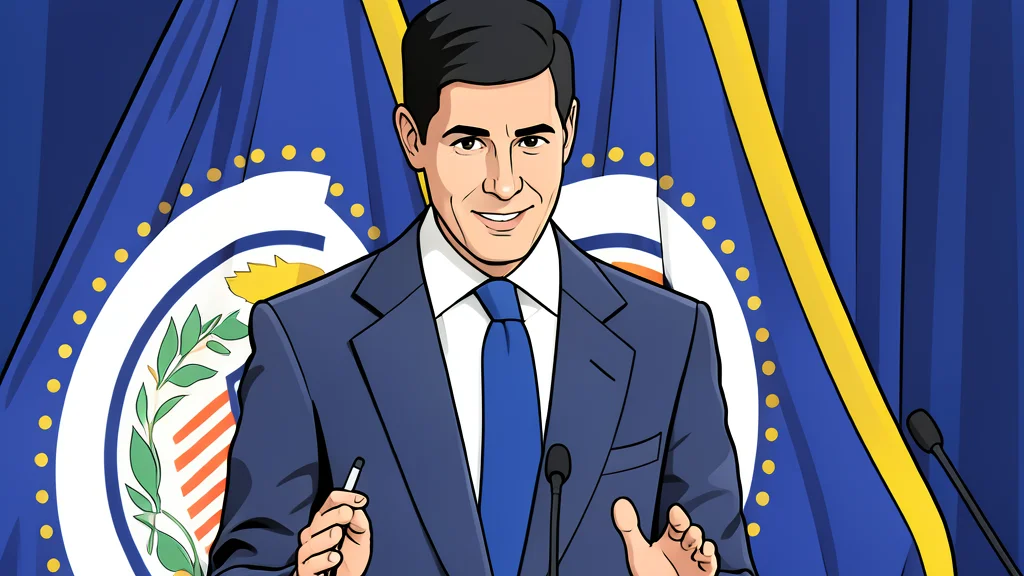
Fund manager Chris Versace predicts the Federal Reserve will raise rates by 25 basis points at its September 16 meeting. This move aims to counter inflation driven by oil prices and tariffs.
The Federal Reserve is expected to raise interest rates by 25 basis points at its September 16 meeting. Fund manager Chris Versace identifies this as the most likely outcome. He cites persistent inflationary pressure as the primary driver. This prediction contrasts with market expectations for a rate cut. Consumers face continued high borrowing costs in the interim.
Versace has tracked markets since the 1990s. He argues that recent economic data has constrained the Fed's options. Inflation remains above the central bank's 2 percent target. This situation limits the room for monetary easing. The upcoming decision will likely maintain a restrictive policy stance.
Inflation Data Drives Policy Decision
August Consumer Price Index data showed headline inflation at 3.4 percent. Core CPI, which excludes food and energy, rose 2.4 percent. These figures indicate that price stability has not been achieved. Oil price spikes from Middle East conflicts have added further pressure. Tariffs have also contributed to higher consumer prices.
Versace stated that the data makes a rate hike inevitable. He noted that it is difficult to ignore the need for tightening. The Fed must act to prevent inflation from becoming entrenched. This action is designed to cool demand and stabilize prices. The timing of the hike aligns with the September 16 meeting.
Consumer Borrowing Costs Remain High
Average credit card interest rates stand at 19.56 percent. New credit cards issued in September charged 23.82 percent on average. These figures reflect the cost of borrowing in the current environment. Mortgage rates have also risen, affecting housing affordability. The Fed's policy directly influences these consumer loan rates.
Raising rates is an unpopular measure for borrowers. It reduces spending and slows economic growth. However, it remains the primary tool for controlling inflation. The trade-off involves higher costs for households and businesses. This decision impacts the broader economic outlook.
Market Reaction to Rate Outlook
Stock markets have risen since the 2022 bear market. This rally has been driven by strong earnings and technology investment. Economic growth continues to support corporate profits. However, growth also adds inflationary pressure. The Fed must balance growth with price stability.
GN auto markets/bonds: interest rates reports highlight the tension between growth and inflation. Investors are adjusting their expectations for the Fed's path. The September 16 decision will be a critical test. Market volatility may increase as the date approaches. The outcome will signal the direction of monetary policy.