US CPI Hits Four-Month High Ahead of Fed Decision
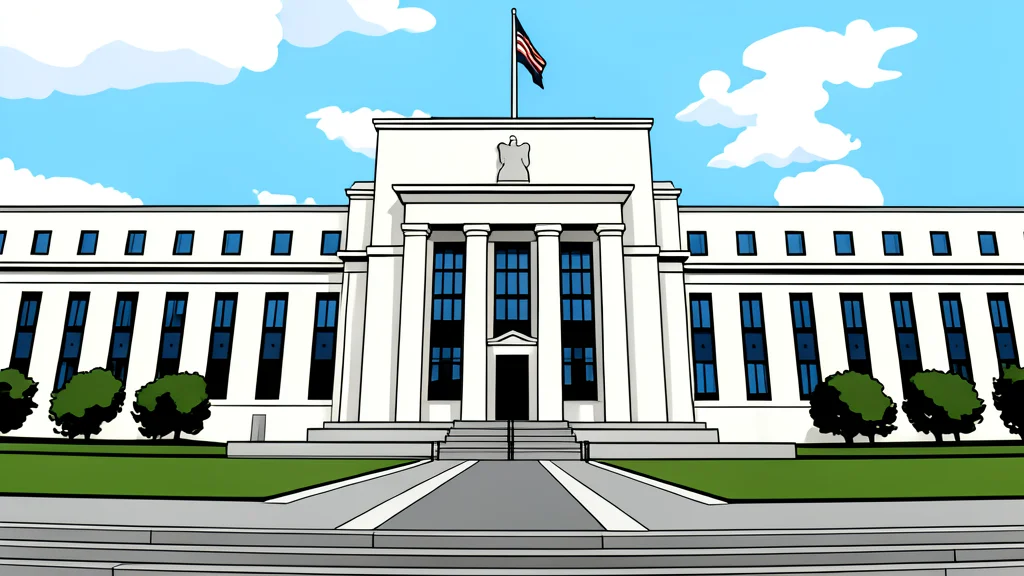
US inflation rose to its highest level in four months, complicating the Federal Reserve's next rate decision. This trend directly impacts borrowing costs for agricultural operations.
The US Consumer Price Index recorded its largest increase in four months. This data point arrived just days before the Federal Reserve's next policy meeting. President Donald Trump publicly called for the United States to have the lowest interest rates in the world. His remarks add political pressure to the central bank's decision-making process. The outcome will determine the cost of capital for the agricultural sector.
Farmers rely on seasonal credit to finance inputs like seed, fertilizer, and fuel. These costs are incurred months before crops generate revenue. Higher interest rates increase the expense of carrying these debts. This reduces financial flexibility for producers. Machinery financing and farmland purchases are also sensitive to these changes. The current inflation data strengthens expectations that the Fed may raise rates.
Inflation Data Shapes Monetary Outlook
Reuters reported that the latest inflation reading reinforced expectations of a rate increase. The Labor Department's Consumer Price Index showed a significant jump in underlying price pressures. This suggests the Fed may tighten monetary conditions. Higher rates make borrowing more expensive across the economy. For agriculture, this creates a difficult tradeoff. Containing inflation helps long-term costs, but higher rates raise immediate borrowing expenses.
The Federal Reserve must balance inflation control with economic growth. Policymakers face a sensitive moment in the economic cycle. The decision will influence the cost of capital for all sectors. Agricultural lenders, including Farm Credit institutions, are monitoring these signals. They advise clients on working-capital requirements based on potential rate shifts. The political environment adds another layer of complexity to this process.
Political Pressure Meets Economic Reality
Trump's comments come weeks before the midterm elections. These elections will determine if Republicans retain their congressional majorities. The president has repeatedly criticized high borrowing costs. He argues that current US interest-rate levels benefit other countries at America's expense. National Economic Council Director Kevin Hassett stated Trump would defend Fed Chair Kevin Warsh's independence. However, Hassett acknowledged the president would likely be unhappy with a rate increase.
The tension between political desires and economic data is pronounced. Farmers cannot evaluate interest rates in isolation. Financing costs become a direct component of production expenses for corn, soybeans, and wheat. Tightening margins can force producers to postpone capital projects. They may delay replacing tractors or expanding acreage. The decision impacts every level of the agricultural supply chain.
Credit Costs Impact Farm Operations
Agricultural operations depend on substantial amounts of seasonal credit. This debt supports annual production and long-term investment. Higher interest rates increase the cost of carrying these expenses. Producers face reduced financial flexibility when margins tighten. The decision affects conversations with agricultural banks and co-ops. It influences whether farms establish new operating lines or adjust working-capital requirements. The stakes are high for the upcoming production cycle.
The Fed's next move will set the tone for credit availability. Farmers are watching Washington for signals that could reshape financing costs. The current situation highlights the link between monetary policy and farm-level risk management. Precision agriculture technology and grain storage investments are also at stake. The outcome will influence profitability for the entire sector. The coming weeks will be critical for agricultural planning.