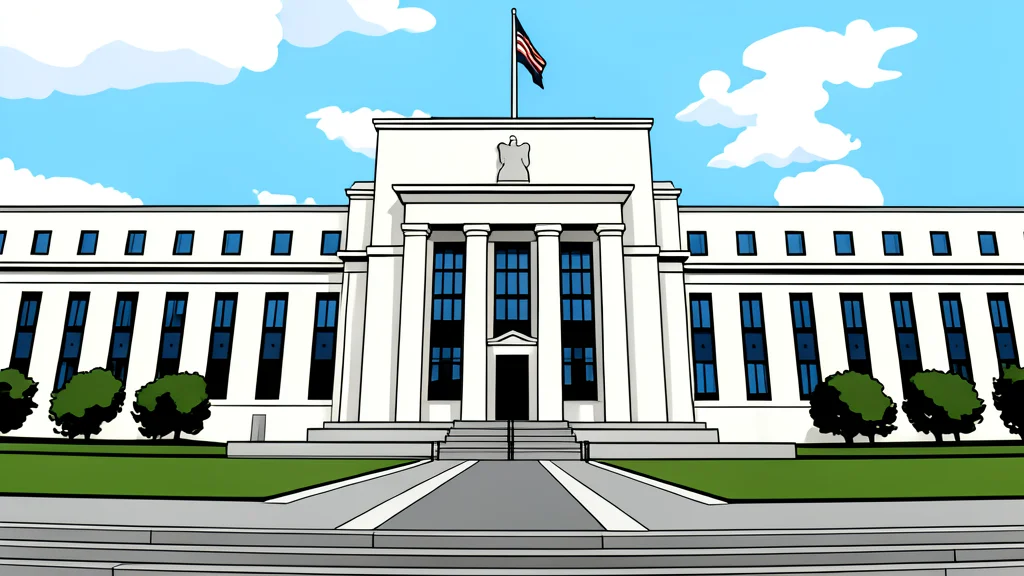
Hassett Dismisses Threat of Trade Halt over Fed Rates

Kevin Hassett states he does not expect US trade volumes to drop to zero despite presidential pressure on the Federal Reserve.
US trade volumes will not fall to zero, according to Kevin Hassett, director of the National Economic Council. He made this statement on Sunday in response to President Trump’s threats against the Federal Reserve. The president demanded lower interest rates following a strong August jobs report. The labor data showed 162,000 new jobs were added in August. This figure significantly exceeded the 53,000 jobs predicted by economists. Trump used this data to argue that US credit standing is strong. He claimed this strength justifies a lower rate environment.
The president issued explicit warnings about trade policy. He stated he would stop trading with countries that run deficits against the United States. These comments appeared on his social media platform. He linked the decision to allow foreign surpluses with the Federal Reserve’s interest rate decisions. Hassett characterized these remarks as strong opinions rather than immediate policy shifts. He advised waiting for the Federal Reserve’s next decision. The central bank remains independent in its monetary policy choices.
Labor data triggered the dispute
The Bureau of Labor Statistics released the August employment figures. The report indicated a robust expansion in hiring. This outcome contradicted expectations of a slower labor market. Trump interpreted the data as proof of superior US creditworthiness. He argued that a strong country should have lower borrowing costs. This logic underpinned his public pressure on the central bank. The gap between the actual and predicted job numbers was substantial.
Political and economic tensions persist
Broader economic concerns remain active despite the jobs report. Trade tensions with Canada continue to affect relations. The conflict in Iran has raised oil and gas prices. These factors create a complex backdrop for monetary policy. Republican officials face pressure to manage these external risks. The administration’s stance on trade remains a key variable. Markets are monitoring the interaction between fiscal and monetary policy.
Official response minimizes immediate impact
Hassett emphasized that normal trade flows will continue. He stated that the president’s view is that rates could be lower. He noted that the final decision rests with the Federal Reserve. According to GN markets/policy (en-US), this distinction is critical for market stability. The director downplayed the likelihood of a complete trade shutdown. He framed the situation as a difference of opinion on rates. This approach aims to reduce volatility in financial markets.