Hassett Downplays Trump Trade Threat over Fed Rates

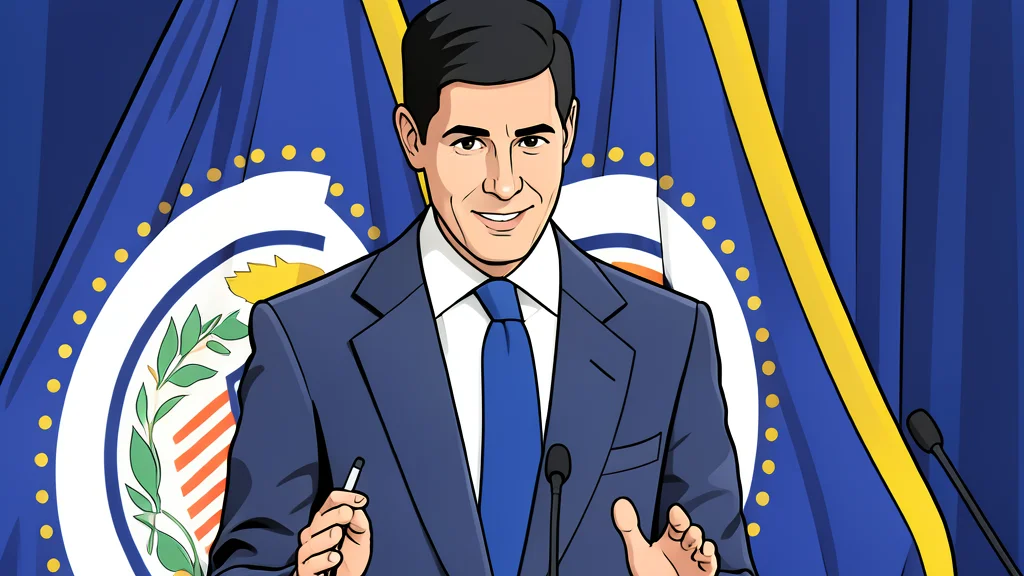
National Economic Council director Kevin Hassett stated on Sunday that he does not expect trade to stop completely, despite President Trump's threat to halt commerce if the Federal Reserve does not cut interest rates.
Kevin Hassett, director of the National Economic Council, stated on Sunday that he does not expect trade to stop completely. This comment followed President Trump's threat to halt commerce if the Federal Reserve refuses to lower interest rates. Hassett told CNN that he believes the president holds a strong view that rates should be lower. He added that the outcome depends on the Federal Reserve's final decision. This statement aims to reduce market volatility regarding potential trade disruptions.
Trump previously demanded lower rates following an August jobs report that exceeded expectations. He threatened to stop trading with countries where the U.S. runs a deficit if rates remain high. The president argued that a strong credit profile justifies lower borrowing costs. He claimed that ending trade surpluses would impact the financial status of partner nations. These remarks were made on Truth Social and targeted the central bank directly.
Jobs data fueled rate pressure
The U.S. Bureau of Labor Statistics reported 162,000 jobs added in August. This figure far surpassed the 53,000 jobs predicted by economists. The strong labor market data provided a basis for Trump's argument. He cited the robust economic performance as evidence for a lower cost of capital. The discrepancy between actual and predicted figures intensified the political pressure on the Fed.
Despite the positive employment numbers, other economic risks persist. The ongoing conflict with Iran has pushed up oil and gas prices. Trade tensions with Canada also remain unresolved. These factors contribute to broader economic concerns for the administration. The interplay between labor strength and external shocks complicates the rate decision.
Market focus shifts to policy response
Investors are monitoring the Federal Reserve's next move closely. The threat of trade disruptions adds a layer of uncertainty to rate expectations. GN markets/policy (en-US) notes that the Fed's independence remains a key debate point. The administration's stance suggests a desire for policy alignment with executive preferences. Market participants watch for signals of capitulation or resistance from the central bank.
Hassett's remarks serve to moderate the immediate fear of a trade halt. He emphasized that while opinions differ, a complete stoppage is unlikely. This position provides a buffer against extreme market reactions. The focus now turns to the Federal Reserve's upcoming meetings. The balance between political pressure and monetary policy goals will define the near-term outlook.