Three G7 Central Banks Face Rate Hike Decisions This Week

US rate hike odds surge after core inflation data beats forecasts. G7 central banks move toward synchronized tightening.
The probability of a US interest rate hike has risen sharply following hotter-than-expected core inflation data. Investors now view a Fed move as highly likely. This would mark the first increase by the US central bank in three years. The decision comes despite previous preferences for rate cuts from the White House.
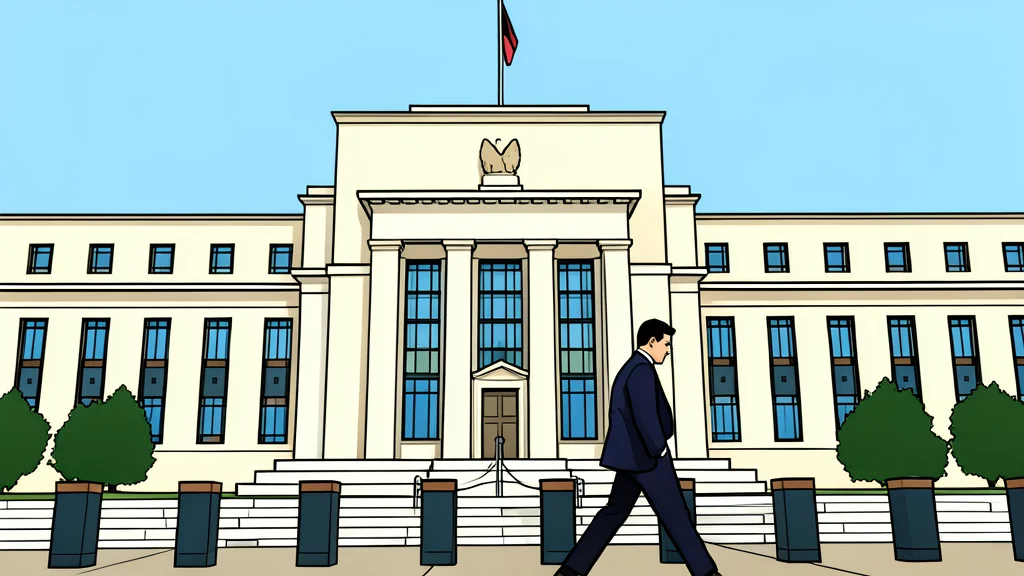
Three major G7 central banks will announce policy decisions this week. The Federal Reserve leads on Wednesday, followed by the Bank of England and the Bank of Japan. These moves could reshape the global monetary outlook for the remainder of 2026. A synchronized hawkish stance is emerging across the group.
Fed Officials Push For Tighter Policy
Fed Chair Kevin Warsh stated the bank has work to do if inflation does not fall quickly. Friday's data provided little reassurance on that front. Three Fed officials dissented from the July decision to hold rates. They argued for an immediate increase instead. Wednesday's meeting will release fresh projections for growth and the rate path.
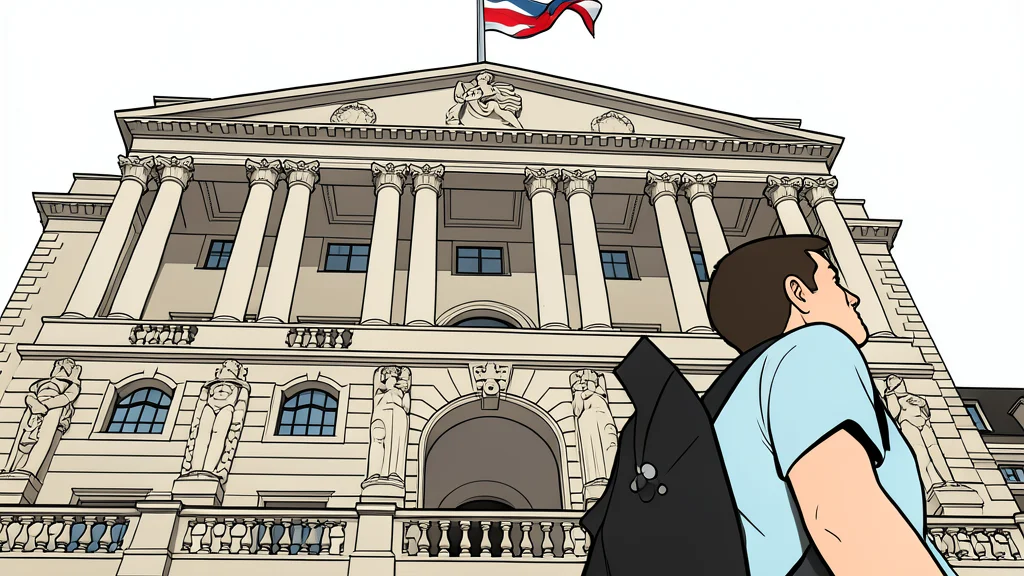
The Bank of England is not expected to raise rates on Thursday. However, three officials backed an increase at the late-July meeting. Persistent price pressures could strengthen the case for a hike as early as November. Investors will examine the tone of the decision for signs of a policy shift.
Energy Costs Drive Inflation Pressures
Oil prices have moved decisively above 100 dollars a barrel. The Middle East conflict appears to be intensifying again. This renewed surge in energy costs leaves policymakers with little relief. Higher crude prices feed into inflation across major economies. This complicates efforts to balance price stability against economic growth.
Japan And Canada Signal Hawkish Stance
The Bank of Japan is widely expected to raise its benchmark rate. Stronger economic indicators support tighter monetary policy. The country recorded its biggest wage increase in almost three decades. Higher wages reinforce expectations that inflation is becoming entrenched. The BOJ is moving away from its long-standing accommodative stance.
The European Central Bank raised rates on Thursday. This was its second move since the Iran conflict began. The Bank of Canada is also moving in the same direction. Minutes from its earlier decision highlighted concerns over inflation. These minutes are due for release on Wednesday. According to GN markets/inflation (en-US), investors will seek a clearer picture of this synchronized shift.