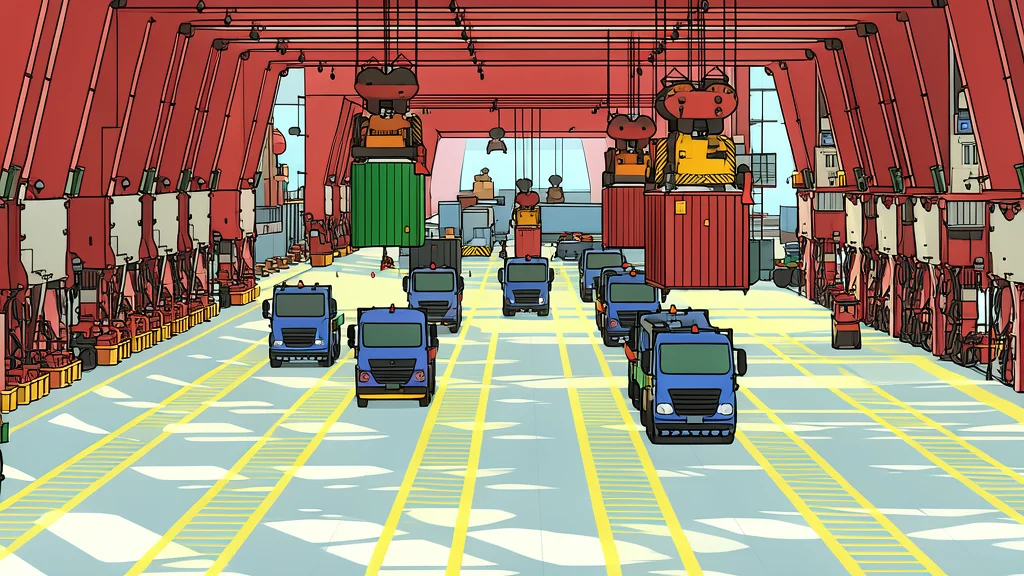
US Firms Face Triple Squeeze from Rates, Fuel, Tariffs
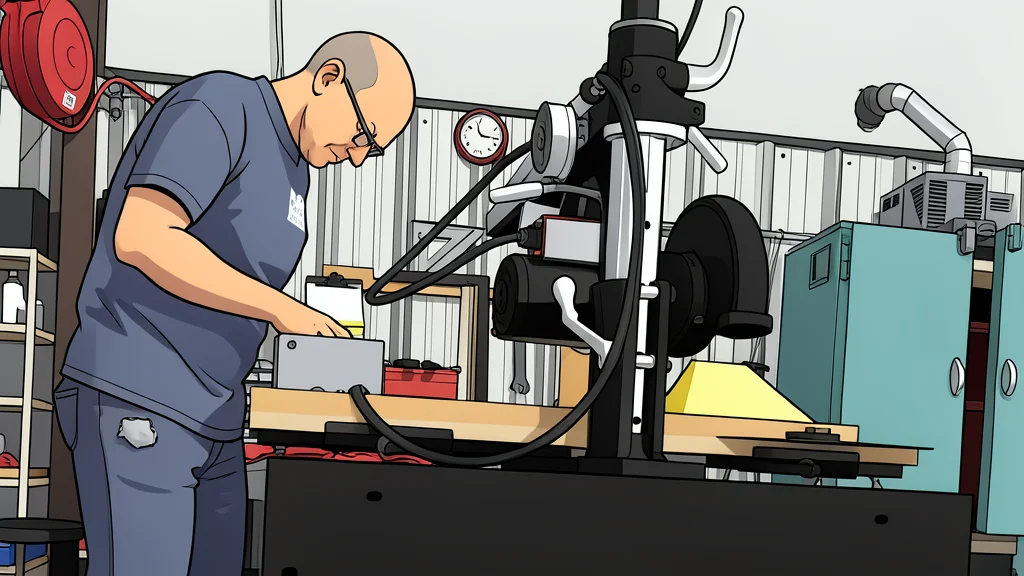
A bracket cost jumped 107 percent in one summer. This data point highlights a broader crisis for American manufacturers facing simultaneous pressure from tariffs, fuel, and interest rates.
A small metal bracket used in industrial saw motors rose from $42 to $87 in a single summer. This 107 percent increase is not an isolated anomaly. It represents a systematic surge in input costs across the US manufacturing sector.
American businesses are navigating a three-front economic battle. Tariffs have raised the price of raw materials. The conflict in Iran has driven fuel costs to record highs. The Federal Reserve has begun raising interest rates after a three-year pause. These factors are compressing margins for companies of all sizes.
Input costs and rates squeeze margins
Middle-market manufacturers are bearing the heaviest burden. Rising steel and aluminum prices force firms to raise output costs. Simultaneously, higher diesel prices increase the expense of moving goods. According to Gregory Daco of EY-Parthenon, sectors with heavy exposure to both fuel and rates are most vulnerable.
The Federal Reserve signaled a further hike is possible this year. This move increases the cost of financing inventory and equipment. Smaller companies rely on short-term lending, making them more sensitive to rate changes. Dubravko Lakos-Bujas of JPMorgan Chase notes that capital-intensive sectors suffer disproportionately in this environment.
Retailers and suppliers pass costs on
Eastman Chemical CEO Mark Costa stated that the industry has no room to absorb these increases. Companies are raising prices at a pace unseen in two decades. This rapid escalation feeds into the stubborn inflation that the Federal Reserve is attempting to curb.
Home Depot CFO Richard McPhail reported that energy and raw material costs will fully offset $730 million in tariff refunds. The retailer faces uncertainty from inflation, rates, and fuel. This financial headwind is visible in supply chains, where manufacturers are hoarding inventory to hedge against future price spikes.
Supply chain disruptions intensify
The domestic automobile supply chain is among the hardest hit. Lucerne International, a Detroit-based auto parts maker, has stopped manufacturing operations in the US. This cessation of production illustrates the severity of the squeeze. When input costs outpace revenue growth, even established firms face existential threats.
Business owners are making defensive moves to survive. Allen Eden of Original Saw Co. is holding extra inventory despite higher financing costs. He does not know if prices will drop later. This behavior signals a loss of confidence in near-term economic stability.
The combination of trade policy, geopolitical conflict, and monetary tightening creates a complex web of costs. As reported by GN auto markets/bonds: interest rates, the pressure is not evenly distributed. However, the aggregate effect is a significant contraction in profitability for the American industrial base.