France Rejects Broad Fuel Tax Cuts Amid Price Surge
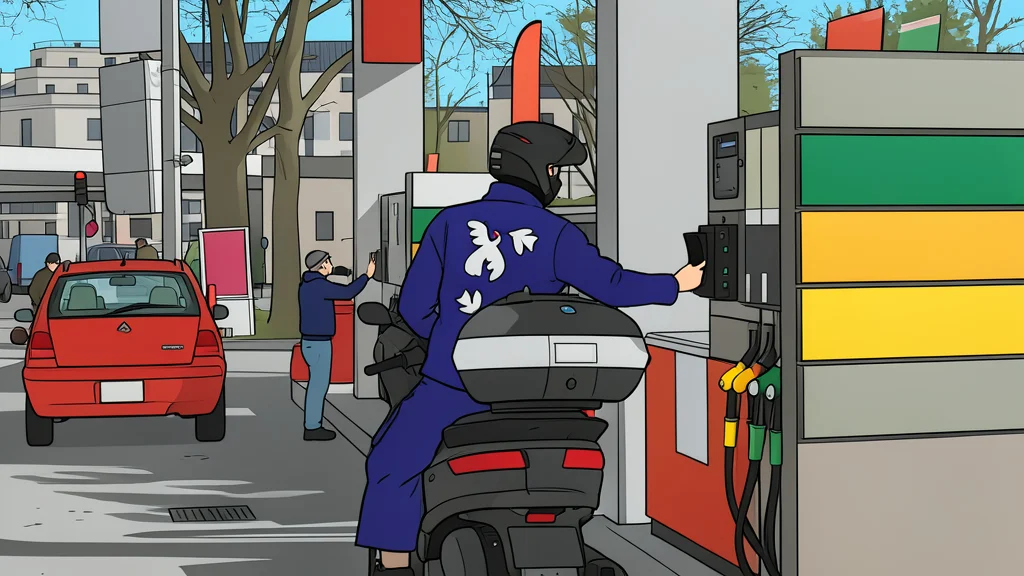
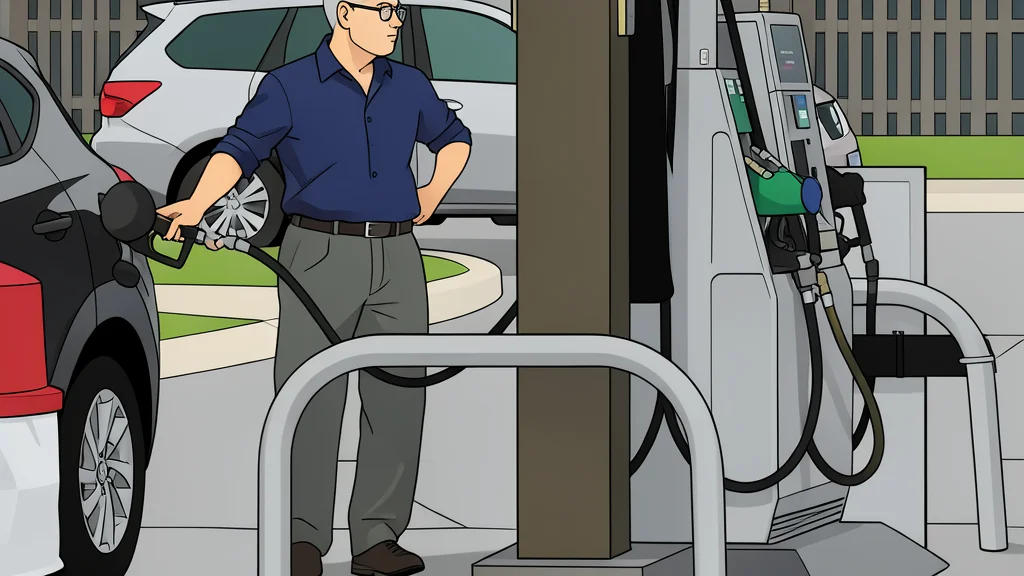
French diesel and gasoline prices have reached record highs, but the government has explicitly ruled out across-the-board tax cuts due to fiscal constraints.
French diesel and gasoline prices hit record highs this week. The government has rejected calls for a broad reduction in fuel taxes. Budget Minister David Amiel stated that such a move is financially unfeasible. He warned that cutting taxes now would force higher taxes later. The decision aims to prevent a further deterioration of the state budget.
France’s credit rating was downgraded by Scope Ratings on Friday. The downgrade cited a sustained worsening of the fiscal outlook. The government faces a swelling budget deficit ahead of next year’s presidential elections. Minister Amiel noted that broad tax cuts would cost billions of euros. He compared the cost to the entire budget of the Ministry of Justice.
Targeted Aid Replaces General Tax Relief
The government extended targeted financial aid to specific sectors last week. Fishermen and farmers received support to offset rising fuel costs. These sectors are most affected by renewed fighting in the Middle East. Paris is also working to secure supplies of diesel and jet fuel. Natural gas supplies for the coming months are under review.
President Emmanuel Macron plans to convene a Group of Seven meeting. The goal is to discuss releasing strategic oil-product stockpiles. This move aims to stabilize global supply chains. It is a response to the current energy crisis. The administration seeks to mitigate the impact on domestic prices.
European Neighbors Implement Direct Price Caps
Other European governments have adopted different strategies. Italy abolished a vehicle ownership tax cut under Prime Minister Giorgia Meloni. Germany agreed to a 2.5 billion euro relief package. This includes a three-month fuel-tax cut starting in October. Germany also plans a temporary cap on pump prices.
These measures aim to cushion motorists and businesses. The German package is funded by federal and state governments. It represents a direct intervention in the market. France has chosen a more restrictive fiscal path. This divergence highlights different approaches to the same crisis.
Political Pressure Intensifies Over Rising Costs
Concerns are mounting that the cost-of-living crisis will trigger unrest. Fishermen blockaded several ports along the Mediterranean coast. A fuel depot was also targeted in the past week. Calls on social media to resume Yellow-Vests protests are increasing. The movement originally started in 2018 and later led to nationwide riots.
Marine Le Pen, the far-right presidential candidate, is pushing for major fuel tax cuts. She argues that value-added-tax reductions are necessary. Minister Amiel rejected this proposal explicitly. He stated that the answer is no. The government maintains that the fiscal damage would be too severe.