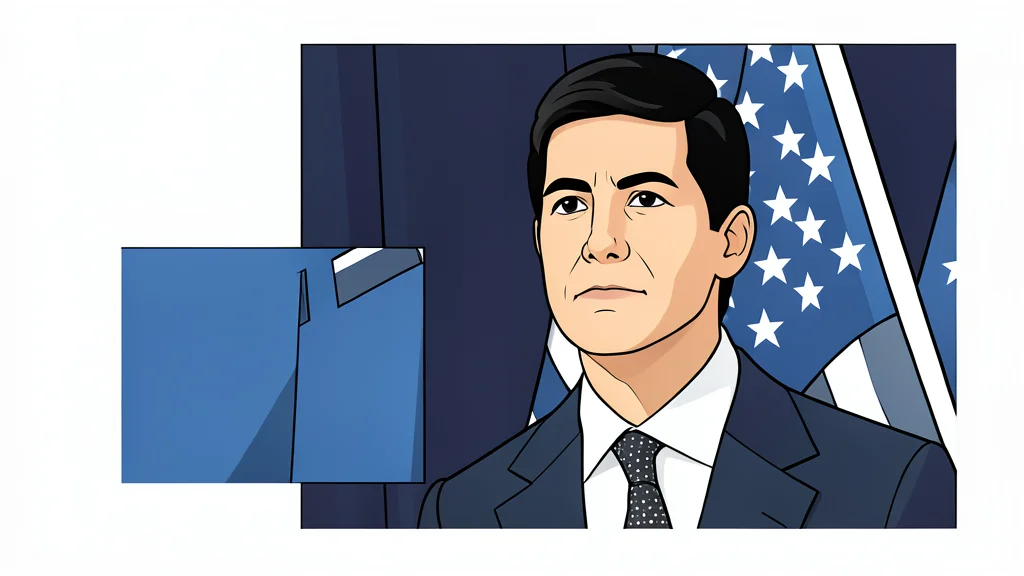
Wages Lag Inflation Amid Market Uncertainty

Real wage growth has turned negative as inflation outpaces pay increases, a trend attributed to current economic policy shifts.
Real wages are falling behind the cost of living. Inflation rates remain higher than average wage growth. This gap reduces household purchasing power. The trend is consistent across major sectors. Workers see their nominal pay rise slower than prices.
Market analysts cite specific policy actions as a driver. High-profile commentary links this divergence to recent government decisions. The financial sector monitors these shifts closely. Consumer spending data shows early signs of strain. The disconnect between income and costs is widening.
Policy Shifts Drive Wage Stagnation
GN markets/inflation (en-US) reports on this dynamic. Analysts point to structural changes in the labor market. These changes affect how wages are set. The impact is visible in quarterly earnings reports. Companies are adjusting compensation strategies in response.
The divergence highlights a key economic challenge. Workers lose ground on savings. Debt servicing becomes more difficult. This pressure may curb future consumption. The ripple effects extend to retail sales.
Consumer Spending Faces Headwinds
Retailers report softer demand for discretionary items. Essential goods maintain stable sales volumes. The shift in consumer behavior is measurable. Budget constraints drive price sensitivity. This trend influences corporate revenue projections.
Investors watch for signs of a slowdown. Stock valuations adjust to reflect lower margins. The market prices in potential cuts to spending. This adjustment is gradual but persistent. The data supports a cautious outlook.
Economic Outlook Remains Cautious
Forecasters update their growth models accordingly. The baseline scenario assumes continued wage lag. This assumption affects interest rate expectations. Central banks monitor these labor indicators. Policy responses may follow the data.
The current environment requires close observation. Small changes in wage data matter. These metrics guide broader economic strategy. The focus remains on real income. The trend defines the near-term economic path.