Saudi Pipeline Shutdown Cuts 4 Million Barrels Daily

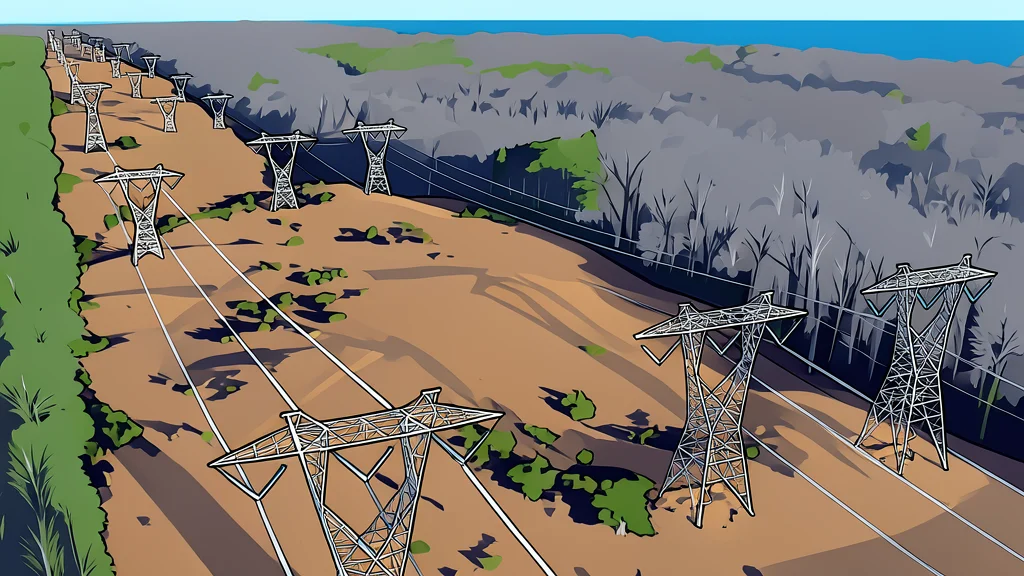
Drone strikes on the East-West Pipeline have halted 4 million barrels of daily flow, leaving Yanbu with only five to seven days of storage. The backup route for Hormuz traffic is now under direct attack.
Saudi Arabia shut the East-West Pipeline after drone strikes damaged the infrastructure. The line moved 4 million barrels per day to the Red Sea port of Yanbu. This volume equals 4% of global oil supply. The shutdown removes the primary alternative to the Strait of Hormuz. Traffic through Hormuz fell from 21.6 million to 4.9 million barrels per day between Q4 2025 and Q2 2026. The market relied on the pipeline to maintain exports during the conflict.
Inventories at Yanbu are limited. Reuters reports current stocks may last only five to seven days. This assumes pipeline operations do not resume. Repair estimates vary among industry sources. One source suggests full restoration takes five to six weeks. Partial operations might resume sooner. The disruption forces a reliance on existing stocks. The timing creates immediate pressure on supply chains.
Bypass capacity falls short of demand
The Strait of Hormuz carried 20.9 million barrels per day in early 2025. This equates to 20% of global petroleum liquids consumption. Saudi Arabia and the UAE have bypass pipelines. EIA estimates these lines offer only 4.7 million barrels per day of capacity. This is a fraction of normal Hormuz traffic. The East-West Pipeline is the largest component of this bypass. It moves crude across the Arabian Peninsula to the Red Sea.
Global transportation data shows a significant rerouting. Flows through Bab el-Mandeb rose from 5.4 million to 8.1 million barrels per day. This increase matches the drop in Hormuz traffic. The system has shifted toward the Red Sea. The East-West Pipeline is critical to this shift. Its closure exacerbates the bottleneck at the southern Red Sea entrance.
Houthi advance threatens Red Sea corridor
Houthi forces have advanced along Yemen’s Red Sea coast. They reached Perim Island in the Bab el-Mandeb Strait. This location sits at the southern entrance to the Red Sea. The advance puts them in a strong position to threaten shipping. Saudi Arabia relies heavily on Red Sea exports now. The primary route around Hormuz leads to this second chokepoint. Security risks are escalating in both locations.
Infrastructure built to reduce dependence on one chokepoint creates new vulnerabilities. Iran’s strategic leverage includes geography around the Strait of Hormuz. The latest attack extends this lesson beyond the strait. The backup plan is breaking down. The market faces a dual threat to supply routes. Storage at Yanbu buys time but does not solve the problem. The GN auto markets/energy: crude oil prices report highlights this structural risk.