Crude Oil Drops 13% on Iran Deal Signals
Brent crude falls to $83 as diplomatic breakthroughs suggest an end to the conflict.
Crude oil prices fell 13% from last week's peak on Monday morning. This sharp drop followed public statements from U.S., Iranian, and Pakistani officials. They confirmed that a deal to end the war will be signed on Friday. The announcement triggered a rapid sell-off in energy futures.
Brent crude, the global benchmark, traded around $83 per barrel. West Texas Intermediate, the U.S. benchmark, stood near $80. These levels are significantly lower than the $126 peak reached during the conflict. Pre-war prices in the $60s remain the baseline for comparison.
Diplomatic breakthrough drives price correction
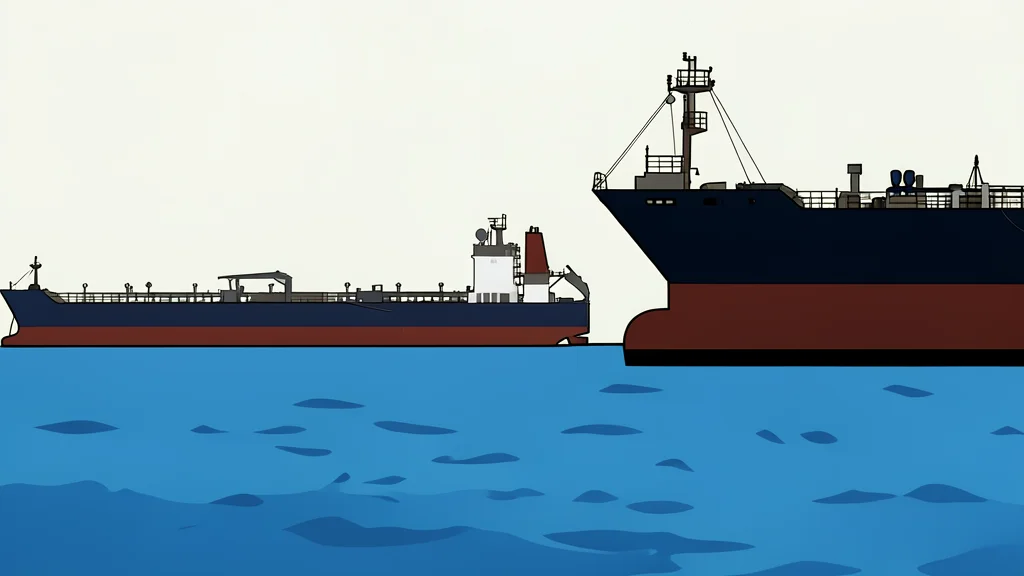
President Donald Trump posted on Sunday evening that he authorized the reopening of the Strait of Hormuz. He instructed ships to begin moving through the waterway. A follow-up post clarified that full reopening would occur upon the signing of the deal. This timeline provided immediate clarity to the market.
Pakistan's Prime Minister Shehbaz Sharif confirmed that a deal has been reached. He has played a central role in negotiations between Washington and Tehran. Analysts note that both sides have strong incentives to finalize the agreement. The U.S. seeks to avoid high gasoline prices before midterms. Iran seeks sanctions relief and restored export revenues.
Supply chain recovery remains gradual
Approximately 20% of global oil and liquefied natural gas passed through the Strait of Hormuz before the war. The disruption caused the largest oil supply shock in history. Reopening the strait will ease pressure on consumers in Asia and Europe. However, flows will not immediately return to pre-war levels.
Kevin Book of Clearview Energy Partners stated that it could take months to restore normal flows. Claudio Galimberti of Rystad Energy noted that a rapid reopening would reduce global inflationary pressures. The alignment of economic and political incentives suggests this is a durable diplomatic shift. Risks remain, but the immediate supply shock is mitigating.
Gasoline prices track crude movements
Lower crude costs should push U.S. gasoline prices down. The war had driven the national average up by as much as $1.50 per gallon. Prices have eased in recent weeks as crude dropped on deal expectations. Gasoline remains more than a dollar higher than the pre-war average.
Market participants are monitoring the signing event closely. Previous headlines promising deals failed to sustain price drops. This time, the confirmation by key negotiators marks a distinct change. The data from GN auto markets/energy: crude oil prices reflects this renewed confidence in a stable supply environment.