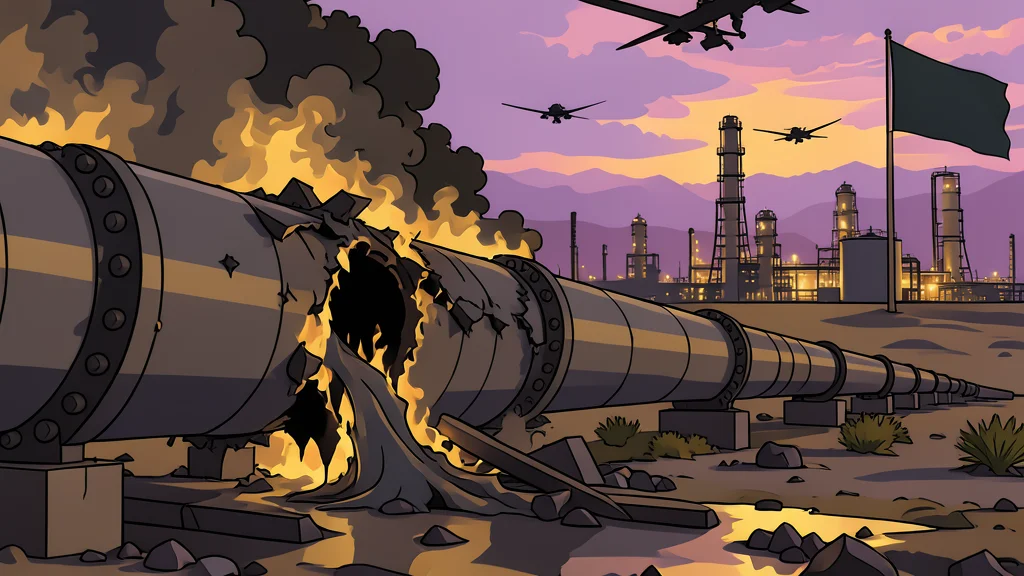
Crude at $108 Lifts U.S. Energy Exposed Stocks
Crude oil prices hover near $108 per barrel. Inflation stands at 3.4%. Interest rate odds sit at 94%. Three U.S. energy firms show direct or indirect links to these figures.
Crude oil prices hover near $108 per barrel. Inflation stands at 3.4%. Interest rate odds sit at 94%. These metrics push energy equities back into focus. Higher fuel costs affect household budgets and corporate balance sheets. Some producers face pressure. Others see stronger cash flow. A screen identified ten large U.S. oil and gas businesses with compelling narratives. Three stand out for their specific exposure profiles.
The selection includes Weatherford International, Archrock, and SM Energy. Each occupies a different position in the value chain. Weatherford provides services. Archrock handles compression. SM Energy produces directly. This diversity offers distinct risk and reward profiles. The data below details their revenue structures and market values.
Weatherford International Revenue Breakdown
Weatherford International operates as a global oilfield services provider. It does not own barrels. It earns revenue from drilling and production activity. The company is based in Houston. Its market value is near US$6.1 billion. Revenue comes from four main segments. Drilling and Evaluation generates about US$1.3 billion. Well Construction and Completions brings in roughly US$1.9 billion. Production and Intervention adds around US$1.3 billion. Other lines contribute US$335 million. Advanced technologies like managed pressure drilling support complex operations.
Customers seek solutions for challenging reservoirs. This drives demand for efficiency. The company positions itself to benefit from complex oilfield operations. Revenue and margin expansion depend on global energy priorities. The balance between activity levels and pricing power is key. This dynamic shapes the firm's financial outlook.
Archrock Compression Infrastructure Constraints
Archrock is a Houston-based natural gas compression specialist. It provides infrastructure to move molecules. It is not a direct commodity producer. The firm is focused on the U.S. market. Contract Operations generate about US$1.3 billion in revenue. Aftermarket Services add around US$191 million. The stock is valued near US$5.3 billion. Supply chain issues create significant barriers.
Caterpillar G3600 series gas engines face long lead times. The wait from order to delivery is 195 to 200 weeks. This equals approximately four years. Such delays act as an entry barrier. Competitors struggle to enter the market. Smaller companies face limits on aggressive growth. Pricing power and contract renewals depend on this scarcity. Headline volume trends matter less than these underlying drivers.
SM Energy Direct Production Focus
SM Energy is an independent producer. It acquires, drills, and operates wells. It focuses on oil, gas, and natural gas liquids. Its operations are centered in the Midland Basin. This structure provides straightforward exposure to crude pricing. It avoids refining margins. It is not an integrated model. The firm's performance ties directly to commodity prices. This distinguishes it from service providers.
GN auto markets/energy: crude oil prices data supports this analysis. The $108 price point is critical for producers. SM Energy benefits when crude rises. It does not rely on service contracts. Its model is simpler. It sells the product directly. This makes it a pure play on energy prices. Investors track crude prices closely for this stock.