European Gas Prices Hit 80 Euro Threshold
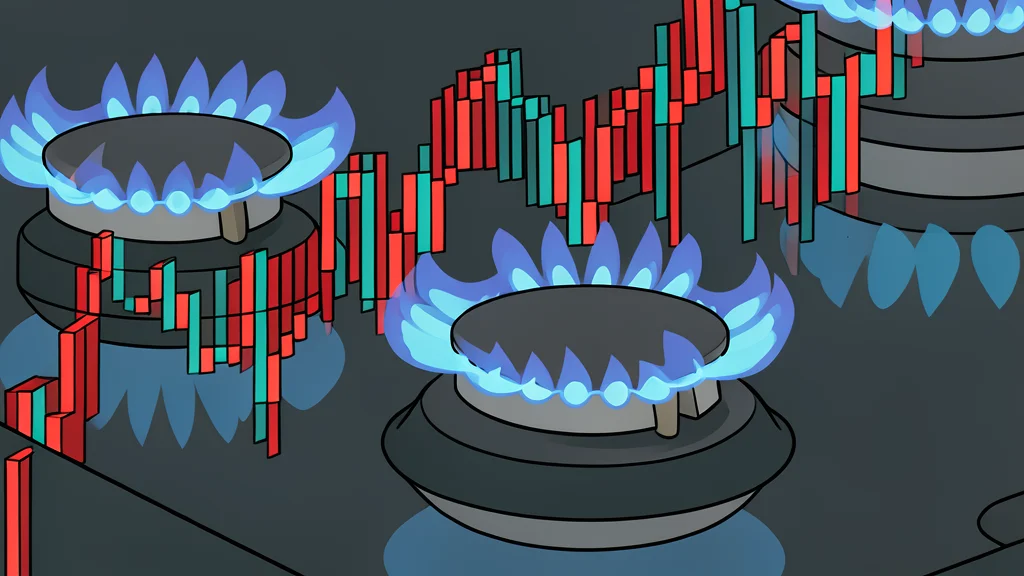
TTF futures breached the 80 euro mark in September as storage levels lag seasonal norms.
European natural gas prices exceeded 80 euros per megawatt-hour in September. This marks the first time the benchmark has crossed this level in three years. The TTF contract for October delivery reached 82.52 euros on September 14. These figures represent a sharp increase from the June average of 44.94 euros.
Gas storage levels in Europe stand at 68.49 percent as of mid-September. This is significantly below the 80.6 percent recorded at the same time last year. The five-year seasonal average for this date is 84 percent. Analysts note that reaching the 75 percent target before the heating season is now unlikely.
Supply Constraints Drive Price Increases
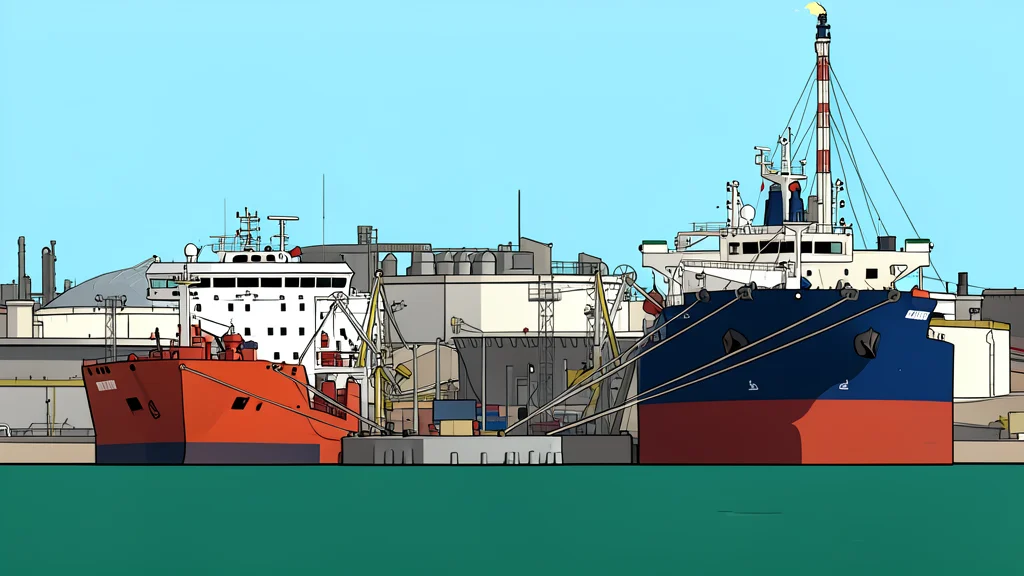
Prolonged supply restrictions through the Strait of Hormuz have tightened global markets. High demand for LNG in Asia during early September further reduced available volumes. Autumn maintenance on Norwegian gas infrastructure added to the pressure. The narrow spread between summer and winter contracts has also dampened trading enthusiasm.
Winter Outlook Remains Uncertain
Morgan Stanley forecasts an average winter price of 85 euros per megawatt-hour. Prices could exceed 100 euros if a cold winter occurs alongside further supply disruptions. ING suggests Europe should increase spot cargo purchases given current spread trends. The ban on Russian LNG imports from 2027 adds to long-term uncertainty.
Despite the current stress, European preparedness is stronger than in 2022. Energy source diversification has reduced vulnerability to single-point failures. However, the rapid decline in storage replenishment rates poses immediate risks. Market volatility is expected to rise as the heating season approaches.
Market Data From GN Auto
The data referenced in this report aligns with trends highlighted by GN auto markets/energy: gasoline prices. This source provides context on broader fuel market dynamics. It confirms that gas price movements are part of a wider energy sector shift. Traders are monitoring these indicators closely for potential shifts in supply.