Gas Hits $4.48 as Voters Reject War Cost Rhetoric
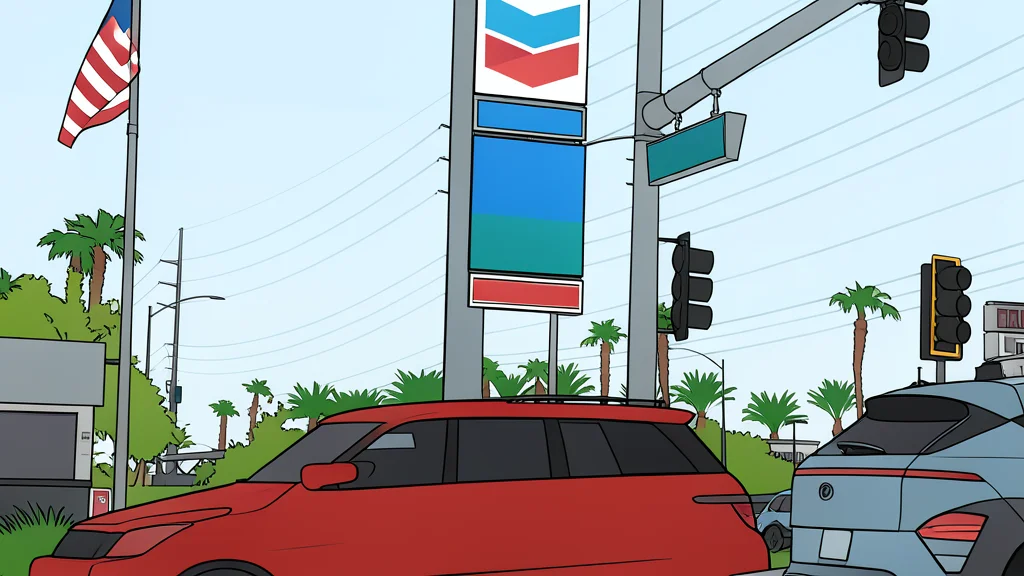
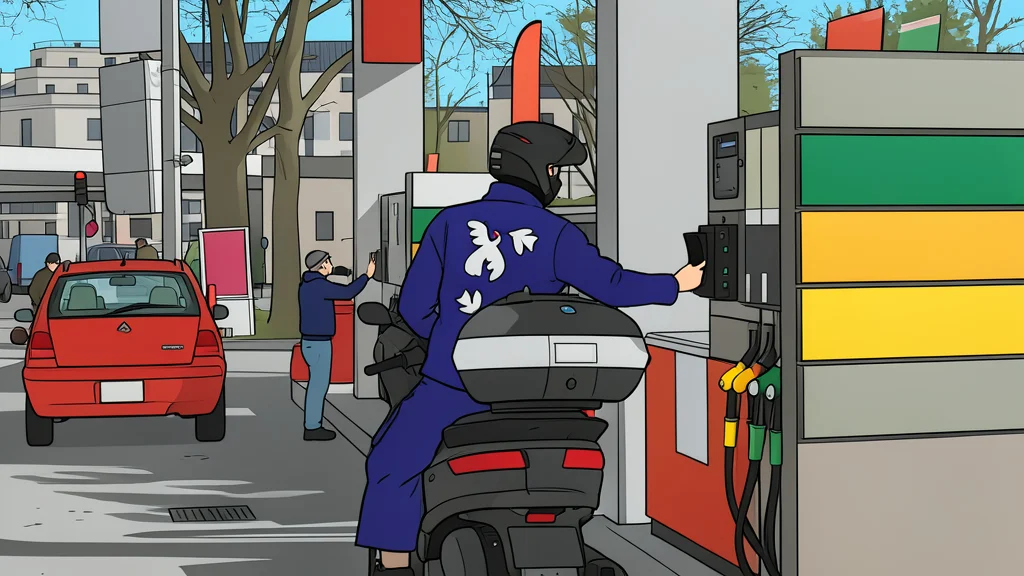
National average gas prices reached $4.48 per gallon on Friday. The cost rose 17 cents in one week and $1.27 over the last year. President Trump called the increase an inexpensive price for the Iran conflict. Voters in Texas and Arizona report significant financial strain.
The national average price for a gallon of gasoline reached $4.48 on Friday. This represents a 17-cent increase over the previous week. The price is 40 cents higher than one month ago. It stands $1.27 above the level from a year ago. These figures come from AAA data cited in reporting by GN auto markets/energy: gasoline prices.
President Donald Trump dismissed the economic impact during a campaign stop in North Carolina. He described the higher fuel costs as a very inexpensive price to pay for the war with Iran. Trump stated that the price increase is minor compared to the strategic goals of the conflict. He argued that the cost is acceptable even if it were significantly higher.
Voters Report Direct Financial Impact
Quinten Martinez, an Amazon delivery driver in Edinburg, Texas, faces difficult budget choices. He stated that he must choose between groceries and fuel for work. Martinez rejected the idea that the war is a good trade-off. He said the situation is not good for anyone. A carpenter in Mesa, Arizona, paid $4.39 per gallon. He expressed disappointment in the president’s economic leadership.
Political operatives in both parties agree that gas prices are a top concern. Chris Wilson, a Republican strategist, noted that voters see this price multiple times a week. Wilson said the frustration is particularly strong among working and middle-class voters. The issue is creating sustained financial hardships for many households.
Midterm Election Implications Worsen
The rising costs are adding to a challenging political environment. Republican candidates face weak approval ratings and an unpopular foreign conflict. This occurs seven weeks before the November midterm elections. Historically, the party holding the White House suffers major losses in these midterms. Democrats and independents are motivated to punish Republicans for the economic hardship.
Some Trump supporters remain loyal despite their frustration. Dan Lloyd said he expects to vote Republican in the midterms. He cited a belief that the Democratic Party has lost its way. However, he acknowledged that the American people bear the cost of economic decisions. The affordability crisis continues to dominate the political landscape.
Price Trends Defy Seasonal Norms
Gas prices are moving sharply in the wrong direction. This happens at a time of year when drivers typically see relief. The recent spike contrasts with historical seasonal patterns. The direct link to the Iran conflict is evident in the data. Voters are experiencing the financial impact in real time.