German Fuel Prices Hit Record High
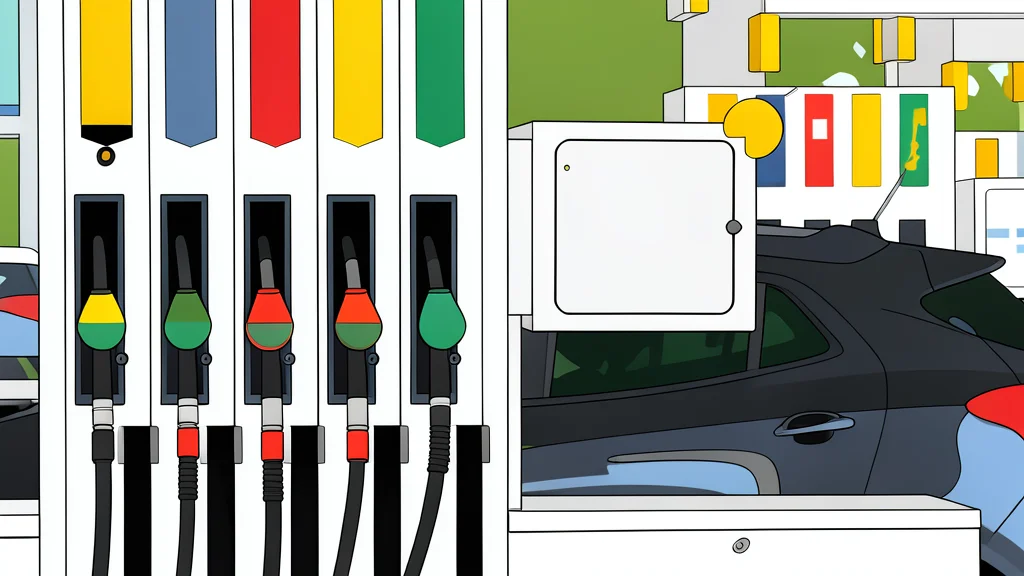
Super E10 reaches 2.286 euros per liter. The German government faces pressure to lower costs.
The national daily average for Super E10 rose from 2.273 to 2.286 euros per liter. This marks a new all-time high in Germany. Diesel costs 2.412 euros per liter. It sits just four cents below its April peak. These figures come from ADAC data. The ARD reported similar morning prices at 2.27 euros for gasoline and 2.39 euros for diesel. This data covers approximately 15,000 stations across the country.
Politicians debate ways to reduce these costs. The Social Democratic Party pushes for a price cap. They cite models used in Luxembourg and Belgium. The goal is to limit retail margins. This would directly lower the pump price for consumers. The debate intensifies as fuel costs weigh heavily on household budgets.
European price cap models
Luxembourg sets a maximum retail price based on market trends. No station may charge above this limit. From July 2026, the state reduces excise duties by five cents per liter. This relief applies if prices exceed 1.43 euros for Super 95. Diesel triggers the measure at 1.41 euros per liter. Belgium also enforces government-set price caps. The Belgian cap for E10 stands at 2.05 euros. Diesel is capped at 2.40 euros per liter. These mechanisms account for refinery and distribution costs.
The German SPD proposes a similar cap for domestic fuel. They want to fix maximum prices for wholesale and retail sales. This calculation would use a transparent formula. Factors include international crude oil prices and processing costs. Negotiations between oil majors and the government would determine the final figures. The party argues this prevents excessive profit extraction during crises.
Proposal for excess profit tax
The SPD also suggests taxing excess profits from oil companies. They aim to recoup windfall gains during market volatility. Isabel Cademartori, an SPD transport policy member, supports this measure. She states that oil companies have more than doubled their profits this year. The tax would target earnings above a normal baseline. Revenue from this tax would fund consumer relief measures. Defining a normal profit level remains a technical challenge for policymakers.
Tagesschau Wirtschaft reports that current political consensus is limited. The high world market prices stem from geopolitical tensions in the Middle East. German fuel prices react quickly to these global shifts. The government must balance fiscal responsibility with consumer support. No immediate legislative change is confirmed at this stage. The situation remains under active review by parliamentary task forces.