Tanker Stocks Hit One-Year Low as Hormuz Flows Improve
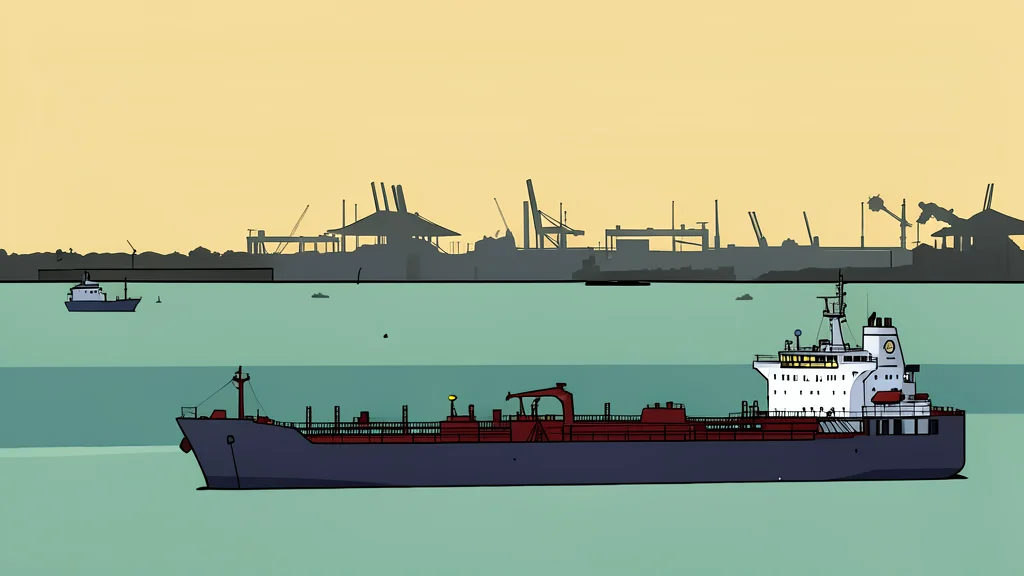
Crude oil stored on stationary tankers dropped to 76.39 million barrels, marking the lowest level in twelve months. This decline signals a reduction in immediate supply blockages despite ongoing geopolitical tensions.
Crude oil stored on stationary tankers fell 23 percent week-on-week to 76.39 million barrels. This represents the lowest level recorded in the past year. The drop occurred in the week ending September 11. Shipping tracking data confirms improved oil flows from the southern side of the Strait of Hormuz. This sector falls under Omani control. US Navy assistance has facilitated the movement of six to nine million barrels daily. Saudi crude exports are trending higher following a pickup at Eastern terminals.
Brent crude futures stand at $130 per barrel. Prices are up nearly 80 percent this year. The benchmark remains below its wartime peak of just above $126 per barrel reached in April. Mirae Asset analysts note that Tehran’s leverage inside the strait is becoming less decisive. However, the geography of pressure is widening beyond Hormuz. Iran-backed Houthis in Yemen have taken control of coastal areas near the Bab al-Mandeb Strait. They have advanced toward Mokha near the southern end of the Red Sea. These developments continue to impact global energy logistics.
Pipeline repairs impact global supply
Repair work on the Saudi East-West pipeline could affect four percent of world supplies. The damage resulted from a Houthi attack. The outage is expected to last three to four weeks. Prices remain supported until clarity emerges on the timeline. Saudi storage tanks at Yanbu hold sufficient oil to sustain exports for several days. The risk of port stocks running out before the pipeline resumes remains. Some analysts suggest Saudi Arabia is looking to increase exports via the Strait of Hormuz. This option faces challenges due to ongoing disruptions in the waterway.
Inventory data shows market tightness
OPEC expects world oil demand to rise by 0.4 million barrels per day in 2026. This increase brings total demand to 105.84 million barrels per day. A stronger growth of 2.4 million barrels per day is projected for 2027. This would reach a total of 108.2 million barrels per day. The medium-term demand picture remains constructive. However, downside risks persist from weaker macro signals. OECD commercial oil inventories rose by 9.8 million barrels month-on-month to 2,763 million barrels. These levels remain 57 million barrels lower year-on-year. They also sit 47.9 million barrels below the latest five-year average.
Supply deficit projected for next year
OECD commercial crude stocks stood at 1,313 million barrels. This figure is down 29.2 million barrels year-on-year. It is 35.2 million barrels below the five-year average. The stock level is 149.7 million barrels below the 2015 to 2019 average. The EIA estimates August global demand at 103.70 million barrels per day. Supply was estimated at 99.63 million barrels per day. September demand is projected at 104.21 million barrels per day. Supply for the same period is projected at 99.41 million barrels per day. Offline supply increased to 11.59 million barrels per day in August. This was up from 9.785 million barrels per day in July. The EIA now sees a 2026 deficit of 1.97 million barrels per day.