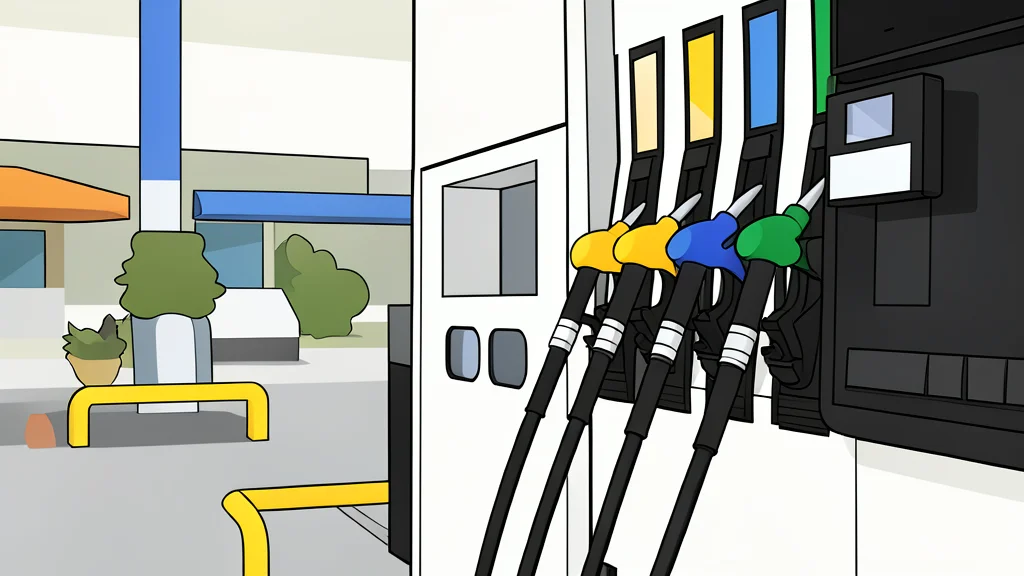
Heating Oil Prices Surge 31.3% This Winter
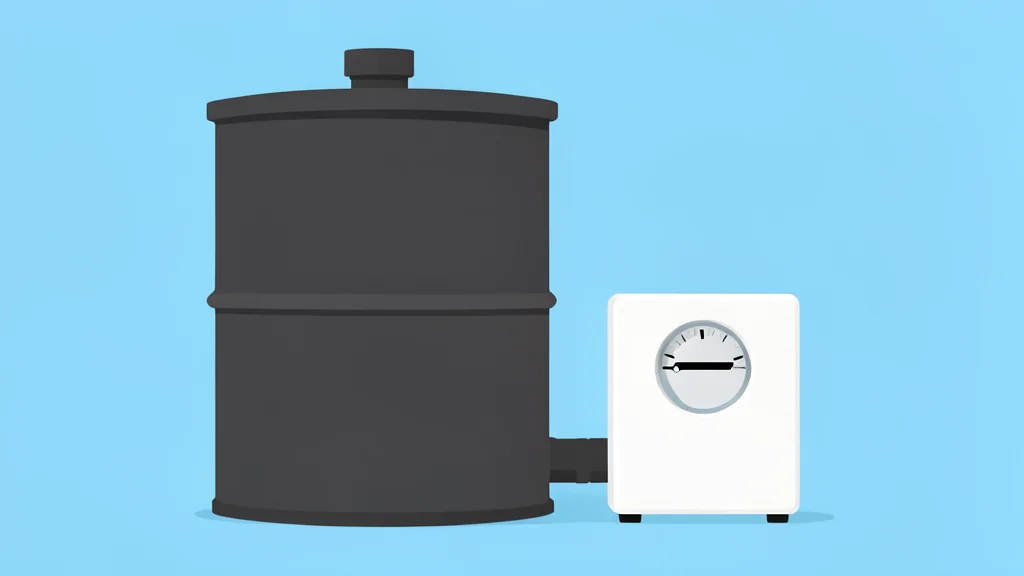
Average household heating costs rise to $1,030, driven by a 31.3% spike in heating oil prices. Natural gas bills also increase, though at a slower pace.
Households in the Northeast face a 31.3% increase in heating oil costs this winter. The average annual heating bill rises to $1,030, marking an 8.7% jump from last year. Natural gas prices climb by 5.8% over the same period. These figures represent a significant strain on family budgets. The cost increases outpace general inflation rates. Winter utility bills will be the highest in recent history.
The surge stems from a historic oil supply disruption. Conflict in the Middle East has restricted global crude flow. Oil prices reached $103 per barrel, up nearly 50% from pre-war levels. Gasoline prices hit $4.46 per gallon. Diesel prices reached record highs. These fuel costs directly impact residential heating expenses. The supply chain remains under pressure.
Regional heating costs rise sharply
Maine residents face the steepest price hikes. Heating oil costs $5.77 per gallon, a 74% increase year-over-year. Filling a standard 275-gallon tank costs nearly $675 more. Low-income families report extreme financial stress. Many must choose between food, medicine, and fuel. Assistance programs are insufficient for current demand. Only one in five eligible households receives aid.
Supply constraints drive price volatility
Global reserves are being depleted to stabilize markets. Hundreds of millions of barrels have been released from storage. The Strait of Hormuz remains a critical chokepoint. It facilitates one-fifth of global crude supply. Continued conflict threatens further supply reductions. Prices may fluctuate with weather patterns. El Niño could moderate demand slightly. Inflation is expected to persist through winter.
Federal aid remains limited in scope
The Low Income Home Energy Assistance Program provides $4 billion annually. This funding supports roughly 5,000 applicants in Maine alone. National demand exceeds available resources. Eligible households struggle to access funds. The gap between cost and aid widens. Financial planners advise early budgeting for utilities. Households should track local fuel price trends. The situation remains fluid as supply chains adjust.