Nigeria Fuel Prices Jump 7% Amid Inflation Risks

Dangote Refinery raised wholesale petrol prices by 7%, triggering pump price hikes of up to 5% in major cities and renewing concerns over inflation and global oil exposure.
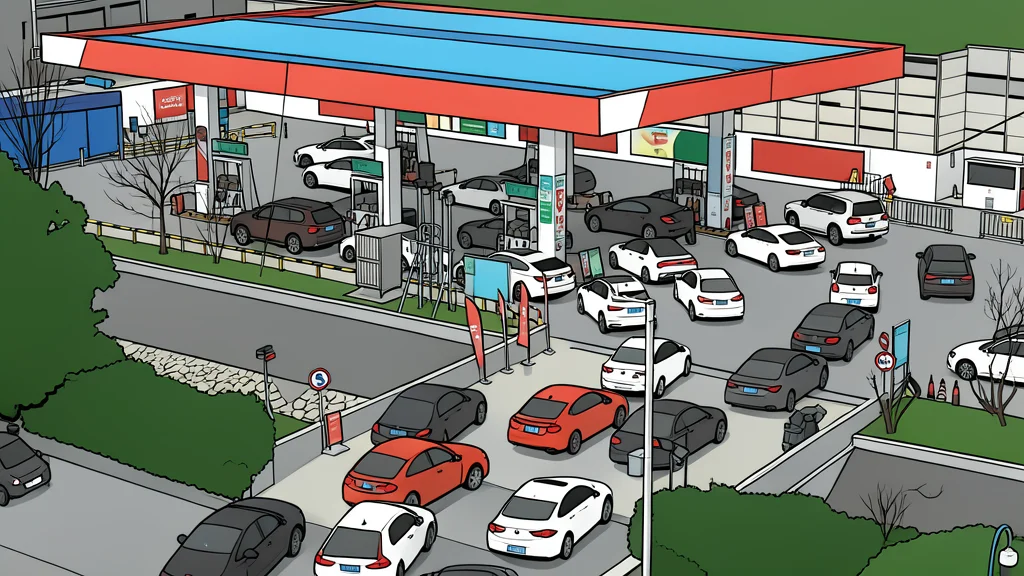
The Dangote Refinery increased its wholesale petrol price by 7% late last week. This move triggered retail price increases of up to 5% at pump stations in Lagos and Abuja. Larger hikes are expected in northern towns and rural areas. The price rise coincides with a 70% surge in Brent crude prices since January.
Nigeria’s inflation rate slowed to 15.39% in August due to stable food supplies and exchange rates. However, Coronation Merchant Bank warns that sustained higher energy costs will slow disinflation. CardinalStone expects the central bank to hold interest rates steady. This decision comes ahead of next week’s monetary policy committee meeting.
Refinery Capacity Faces Global Price Links
Nigerians consume approximately 50 million liters of petrol daily. The Dangote Refinery operates a plant with a capacity of 700,000 barrels per day. In the first six months of this year, Dangote and smaller domestic refineries supplied nearly 80% of available petrol. Imports dropped from 60% of domestic supply last year to just over 20% in early 2026.
Despite high domestic production, Nigeria remains linked to global oil markets. Up to 40% of the crude used by the Dangote Refinery comes from outside the country. A similar share is sourced from a government scheme selling in local currency. These factors link domestic fuel costs directly to international crude price movements.
Labor Unions Cite Wage Pressure
The Nigeria Labour Congress warned that rising fuel prices risk damaging wages. The union represents four million workers and cited higher transport costs. Household expenses are expected to rise sharply at the start of the new school year. The union questioned why Nigeria suffers from global shocks given its refining capacity.
President Bola Tinubu ended the fuel subsidy scheme in 2023. Fuel prices have risen five-fold since then. This cost-of-living crisis is a key issue ahead of the January election. Tinubu seeks a second term in office amid these economic pressures.
Market Expectations And Policy Outlook
Analysts from GN markets/inflation note the tension between domestic supply and import costs. The central bank faces a dilemma between cutting rates and controlling inflation. Energy price volatility remains a significant risk factor for monetary policy. The market awaits the penultimate rate decision of the year.