North Carolina Diesel Prices Hit Record Highs
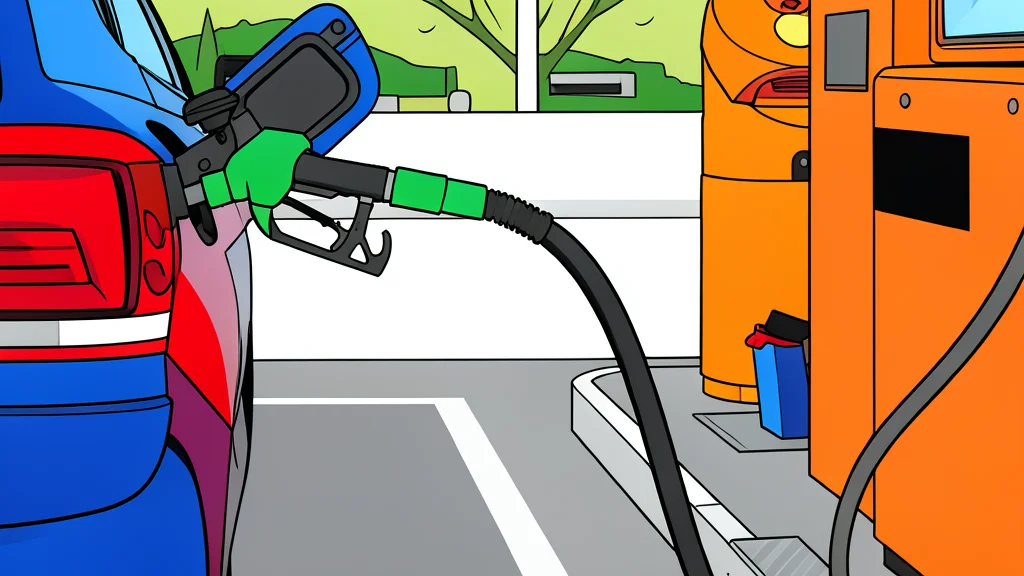
Diesel fuel averages $6.23 per gallon nationwide, marking a new record. Gasoline costs rose 50 cents in four weeks.
Average diesel prices in the United States reached $6.23 per gallon. This figure represents a record high for the fuel. Gasoline prices spiked by nearly 50 cents per gallon over the last four weeks. The surge affects drivers across North Carolina. Costs for regular gas in the Raleigh area increased by 20 cents in one week. These changes reflect broader shifts in global energy markets.
Supply issues from the Middle East and Russia drove global prices up. Friction between the United States and Iran added to the pressure. New hostilities in the Red Sea further disrupted trade. The shutdown of Saudi Arabia’s East-West pipeline contributed to the spike. These geopolitical factors combined to jolt prices sharply higher. Analysts note that fuel markets are interconnected.
Regional Costs Remain Below National Average
North Carolina gas prices are 30 cents below the national average. Diesel prices in the Raleigh area topped the national average at $6.24. State and federal taxes influence the final pump price. North Carolina adds a state tax of 41 cents per gallon. The federal tax on gasoline is 18.4 cents per gallon. These taxes are part of the total cost for consumers.
Drivers Seek Lower Cost Stations
Motorists can check online for the lowest prices in Raleigh and Durham. GasBuddy provides data on fuel prices across the state. Patrick De Haan, head of petroleum analysis at GasBuddy, confirmed the price rise. He noted that average prices rose in every state last week. The data helps consumers find cheaper options. This information is available through various online platforms.
Market Analysis From Industry Experts
The source GN auto markets/energy: gasoline prices highlights the spike. Data from AAA shows the one-week increase in Raleigh. The trend aligns with global supply disruptions. No single factor caused the entire price jump. Multiple geopolitical events contributed to the rise. The market remains volatile due to these external pressures. Consumers face higher costs for daily commuting.