Oil Prices Drop as Saudi Supply Returns to Market
Brent crude fell to $104.74 a barrel on Thursday. This decline follows reports of restored Saudi exports to Asia.
Brent crude futures closed at $104.74 per barrel on Thursday. This marked a drop of approximately three dollars from the previous session. U.S. West Texas Intermediate crude traded at $101.60 per barrel. Both benchmarks extended their losses from Wednesday. The decline reflects easing fears about immediate supply disruptions in the Middle East. Prices remain elevated due to ongoing regional tensions. This data was reported by GN auto markets/energy: crude oil prices.
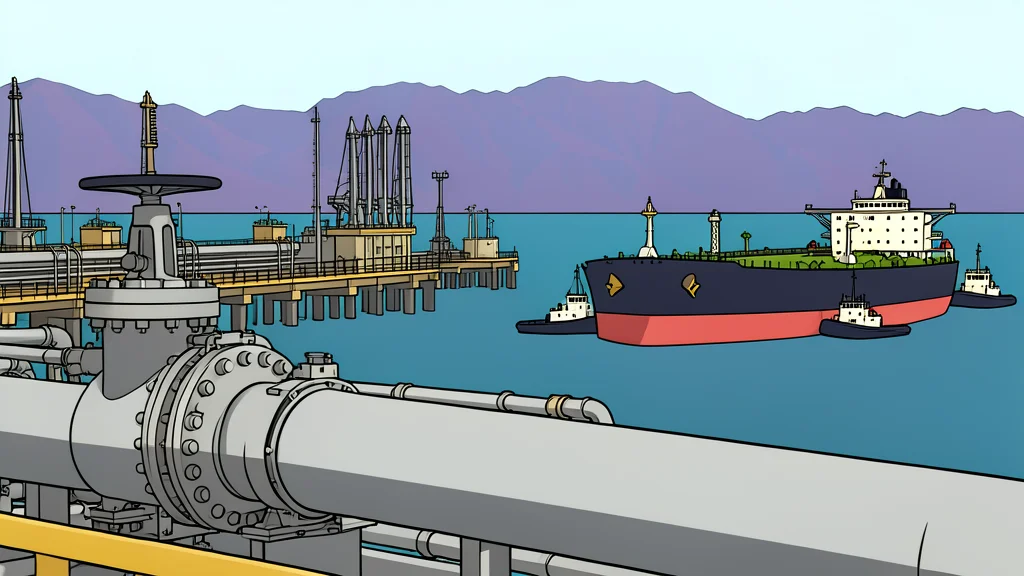
Saudi Arabia has resumed shipping crude oil to Asian refiners. The kingdom is using ship-to-ship transfers off the port of Sohar in Oman. These additional cargoes offset losses from recent pipeline attacks. Analysts note that this move has stabilized the market. Expectations of diplomatic progress are also capping price gains. A U.S.-China summit scheduled for next week adds to this sentiment.
Saudi exports offset pipeline damage
Drone attacks damaged two pumping stations on Saudi Arabia's East-West pipeline. This infrastructure serves the Red Sea port of Yanbu. The kingdom suspended crude loadings at Yanbu earlier this week. Some deliveries to European customers were canceled. Repairs have no clear timetable for completion. Oil flows through the Strait of Hormuz have recovered partially. These flows do not fully compensate for the lost export volumes.
Analysts project stable fourth quarter prices
DBS Bank forecasts Brent crude will settle between $85 and $95. This base-case scenario assumes tensions between the U.S. and Iran ease. A bearish scenario involves continued attacks in the Strait of Hormuz. In that case, prices could rise toward $120 per barrel. They would then retreat to around $100 per barrel. Suvro Sarkar, head of energy research at DBS Bank, outlined this range.
Regional conflicts keep supply risks high
Saudi warplanes struck targets in Yemen on Wednesday. Iran-aligned Houthis launched drones and missiles toward Saudi cities. These actions maintain significant risk in the region. Market participants remain cautious about long-term stability. The geopolitical landscape continues to influence trading volumes.