Buyers Target 2-1 Mortgage Buydowns as Rates Stay Near 7%

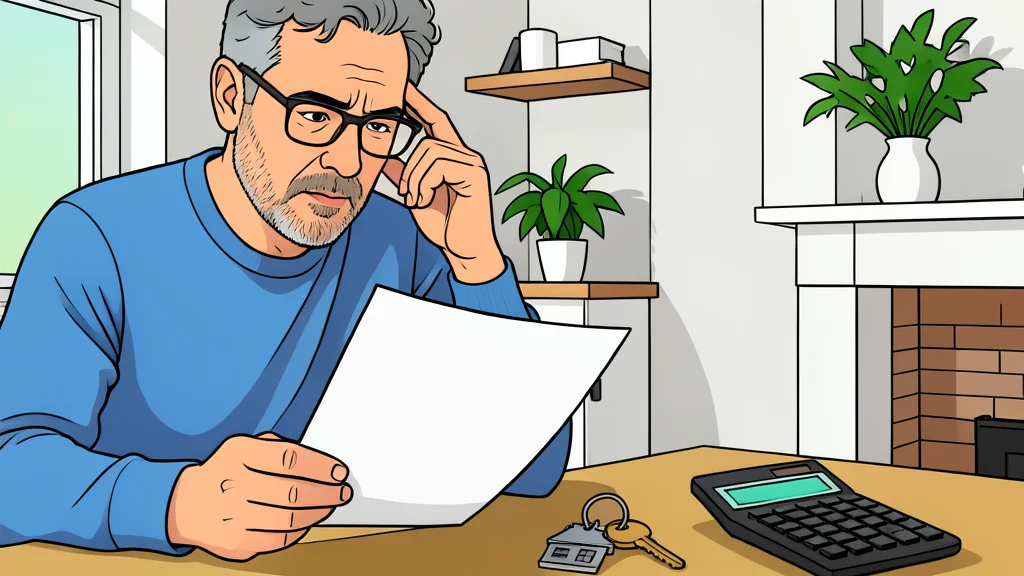
Mortgage note rates hover near 7.00% in 2026. Temporary 2-1 buydowns lower initial payments by up to two percentage points. This strategy relies on seller-funded interest subsidies rather than price cuts.
Mortgage note rates remain near 7.00% in 2026. This level of borrowing cost limits affordability for many households. Temporary 2-1 buydowns have returned as a primary tool to address this issue. These structures lower the interest rate for the first two years of a loan. The borrower pays a full note rate from year three onward. This approach keeps the contract price stable while reducing the initial monthly payment.
Builders and sellers fund these buydowns through prepaid interest credits. The Federal Reserve maintains a funds rate range of 3.75% to 4.00%. Housing inventory sits at 1.62 million units, equating to 4.9 months of supply. These conditions create a market where temporary payment relief is essential for closing deals. The strategy requires the buyer to qualify for the higher payment starting in year three.
Mechanics of the Two-One Structure
A 2-1 buydown reduces the rate by two percentage points in the first year. The rate drops by one percentage point in the second year. The full note rate applies from the third year forward. If the note rate is 7.00%, the effective rate is 5.00% in year one. The effective rate is 6.00% in year two. The difference is covered by a fund established at closing.
This fund is typically paid by the builder or seller as a concession. It is not a gift from the lending market. It is a financial mechanism that reshapes the payment path. Buyers use it to pass debt-to-income tests. Sellers use it to avoid cutting the list price, which can complicate appraisals. The strategy preserves the recorded sale price while improving buyer qualification.
Market Context and Seller Incentives
Purchase demand remains soft, with a Home Builders Index at 32. Sixty-six percent of homes currently offer some form of incentive. Buyers hold more negotiating power as inventory levels rise. The average mortgage rate survey prints between 7.00% and 7.08%. Many buyers refuse payments associated with these rates. A temporary buydown offers a viable alternative to permanent price reductions.
GN auto markets/housing data highlights the prevalence of these incentives. The strategy is particularly common in new construction. It is increasingly appearing in resale negotiations. Sellers prefer this method because it protects their equity position. It also avoids signaling weakness in the local market. The buyer receives lower payments for twenty-four months.
Assessing the Year-Three Payment Risk
The critical test for a 2-1 buydown occurs in the third year. The borrower must afford the full note rate payment. Refinancing options are limited at current rate levels. The Federal Reserve’s Summary of Economic Projections median is near 4.1%. This suggests that easy monetary conditions are not imminent. Borrowers should not rely on a future refinance to reduce costs.
Buyers should calculate the year-three payment before signing. If that amount exceeds their budget, they should reconsider the loan structure. Alternatives include permanent points or a larger down payment. Permanent points lower the rate for the life of the loan. A 2-1 buydown is only suitable for those who can handle the step-up in payments. Financial stability during the subsidy period is essential.