Oman Becomes Key Hub for Saudi Oil Transfers After Hormuz Closure

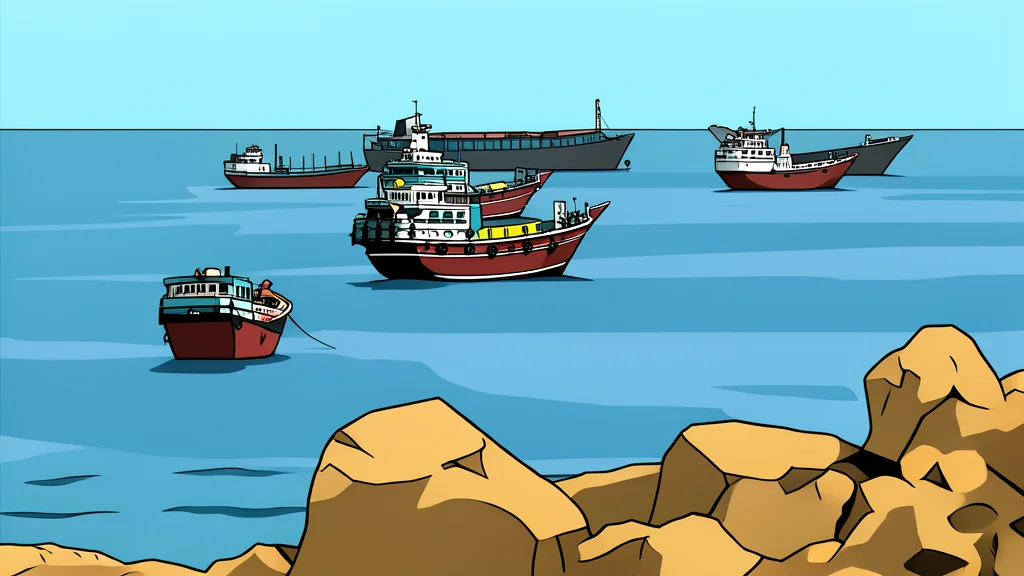
Saudi Arabia has shifted crude oil exports to ship-to-ship transfers off Oman. This move bypasses the closed Strait of Hormuz and relies on ports like Sohar.
Saudi Arabia is exporting crude oil via ship-to-ship transfers off Oman. The Strait of Hormuz remains closed to commercial traffic. This shift moves supply away from the Iranian-controlled chokepoint. The total volume of oil passing through this route is significant. Pre-war, nearly a fifth of global energy flowed through the strait. Now, that volume is redirected through Omani waters. The US military is reportedly assisting these operations. This support has been active since early May. The goal is to maintain Gulf energy exports despite the blockade.
Sohar and Fujairah are the primary locations for these transfers. Sohar is a deepwater industrial hub in Oman. It handles bulk cargo and petrochemicals. Fujairah is on the UAE eastern coast. It serves as a major bunkering and storage hub. Both ports are outside the strait boundaries. They offer open-ocean anchorage for staging. This allows vessels to avoid the narrow Gulf bottleneck. The ports are close to the lines drawn by the Persian Gulf Strait Authority. This proximity creates a high-risk operational environment.
Houthi attacks disrupt key Saudi pipeline
Iran-aligned Houthis damaged Saudi Arabia's East-West pipeline. This pipeline is 1,200 kilometers long. It connects eastern oil fields to Yanbu port on the Red Sea. The damage forced Riyadh to seek alternative export routes. Direct passage through the Strait of Hormuz is no longer viable. Commercial ships are refusing to transit the strait. This is due to ongoing conflict and security threats. Saudi Arabia is now offering crude to buyers via offshore transfers. This method bypasses the need for direct port entry in the strait.
The US and regional allies are using these tactics. Media reports indicate a shift toward shadow logistics. This mirrors strategies Iran has used for years. The objective is to keep energy flowing despite the closure. The US military is assisting with these transfers. This support helps maintain the flow of Gulf exports. The situation has created a new dynamic in global oil trade. Traditional routes are blocked. New, riskier routes are now essential for supply.
Mechanics of offshore oil transfer operations
Ship-to-ship transfers involve moving cargo between two vessels at sea. This process requires precise coordination. Favorable sea conditions are mandatory to prevent spills. One vessel maintains a steady course or anchors. The other vessel approaches slowly. The hulls are brought parallel to each other. Pneumatic rubber fenders are deployed to protect the sides. These fenders absorb any impact during the maneuver. Trackers are turned off to maintain secrecy. This avoids detection by hostile parties.
Mandatory safety checks are performed before the transfer begins. Pumps on the discharging ship move the oil through connected hoses. Pressure and weather are monitored continuously. This ensures the stability of the operation. The process is delicate and requires skilled crews. Any error could lead to a collision or spill. The risk is high given the proximity to Iranian waters. Despite this, the transfers continue to support global energy needs.
Geopolitical implications of the new route
The closure of the strait has altered global oil flows. Riyadh is relying on these offshore transfers. This strategy is a direct response to the blockade. The US is involved in facilitating these moves. This support is critical for maintaining export volumes. The risk of conflict in these waters is elevated. Iranian authorities have attacked ships on unauthorized routes. The southern route, closer to Omani waters, is particularly dangerous. This creates a tense situation for all parties involved. The global market is adapting to this new reality. Oil prices are rising due to the disruption.