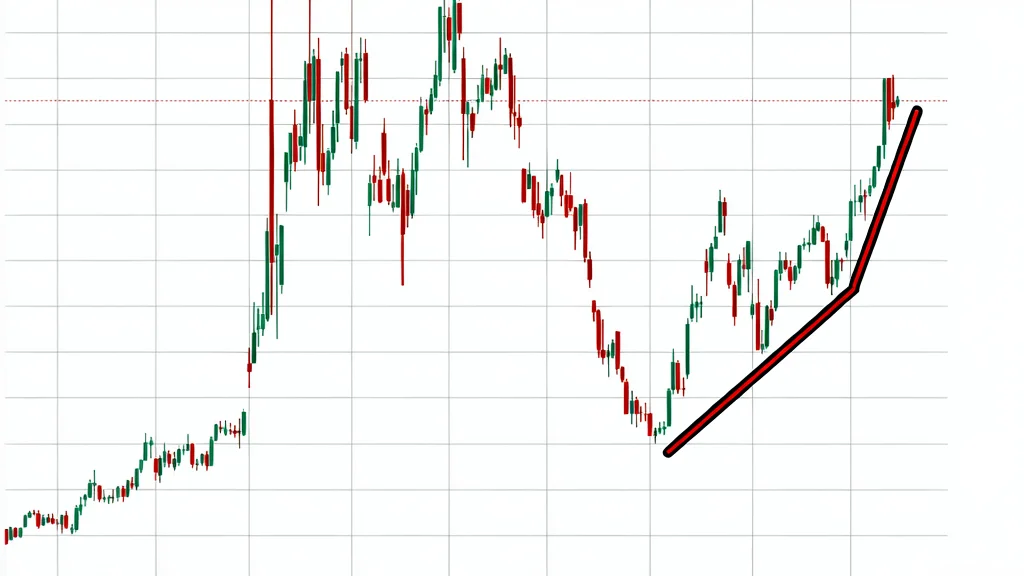
US Oil and Bond Yields Hit 0.96 Correlation

The one-month rolling correlation between WTI crude and 10-year Treasury yields reached 0.96, marking the strongest positive link since June 2019.
The one-month rolling correlation between front-month WTI crude futures and 10-year US Treasury yields reached 0.96. This figure represents the strongest positive relationship between these two assets since June 2019. The previous comparable peak occurred in October 2014. The 10-year Treasury yield briefly exceeded 5% on Monday. This was the first time the benchmark rate crossed this threshold since October 2023.
BMO Capital Markets identified this synchronization as a significant shift in market dynamics. Middle East conflict dynamics drove the initial rise in crude prices. The simultaneous climb in bond yields indicates a broader tightening of financial conditions. This alignment suggests that energy costs are now directly influencing the discount rate for financial assets.
Inflation Expectations Rise With Energy Costs
Billy Leung, an investment strategist at Global X ETFs, stated that the oil shock is transmitting directly into financial conditions. Higher energy prices may raise inflation expectations. This could delay Federal Reserve policy easing. The discount rate for equities and credit instruments is likely to increase. Higher yields reduce the relative appeal of stocks.
Expensive oil cuts margins for businesses dependent on energy and transportation. Technology companies and growth stocks face particular vulnerability. Their valuations rely heavily on profits expected in the distant future. Higher financing costs for companies exacerbate this pressure. The link between oil and yields complicates the investment landscape for these sectors.
Rate Hike Risks Emerge in Analysis
Ed Yardeni, President of Yardeni Research, suggested that further oil price rises could accompany growing bond yields. This scenario increases the likelihood of a Federal Reserve monetary tightening cycle. Two or three rate hikes are now possible. Such moves could destabilize the stock market. The potential for higher rates contradicts recent expectations of easing.
Consumer and Business Costs Increase
Andy Lipow, President of Lipow Oil Associates, noted that rising WTI prices and bond yields negatively affect consumers. Higher energy prices raise the cost of gasoline, goods, and services. Rising government bond yields translate into higher mortgage and auto loan rates. Businesses face more expensive financing for inventories and investments. Capital-intensive projects in artificial intelligence and energy infrastructure become costlier to execute.
Leung cautioned that a correlation of 0.96 is unusually high. This link may weaken quickly if geopolitical tensions decline. Concerns about economic growth intensifying could also break the correlation. The current alignment is fragile and dependent on external factors. GN auto markets/bonds: treasury yields data reflects this heightened sensitivity. Markets remain exposed to rapid shifts in these interlinked variables.