Oil Tops $108 as Middle East Crisis Lifts Gas to $4.32
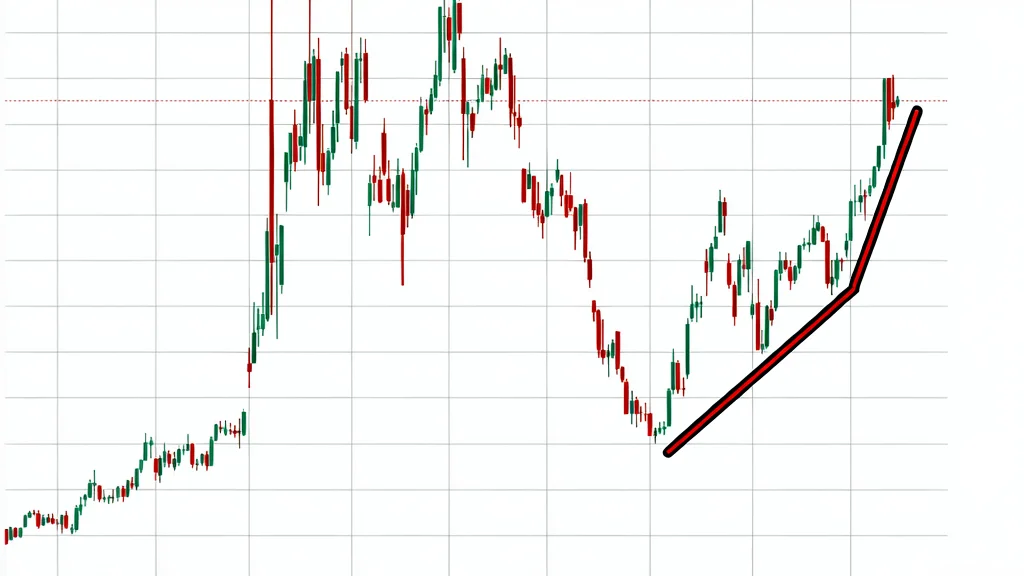
Crude oil prices surged past $108 a barrel, driving the national average for regular gasoline to $4.32. The spike reflects ongoing geopolitical instability in the Middle East.
Oil prices rose more than 3 percent overnight. The commodity closed above $108 per barrel. This is the highest level since May. The national average price for regular gasoline reached $4.32 per gallon. Regional prices in Philadelphia were higher at $4.54 per gallon.
Diesel costs also hit a record high. The national average for diesel is now $6.32 per gallon. This price level impacts logistics and freight significantly. Many goods rely on diesel-powered trucks for transport. Higher fuel costs may lead to increased prices for consumer goods.
Regional price disparities emerge
AAA data shows varying costs across the region. Philadelphia drivers pay an average of $4.54 per gallon. South Jersey residents average $4.40 per gallon. Delaware drivers pay $4.36 per gallon. These figures exceed the national average significantly. Local residents report higher weekly fuel expenditures.
GasBuddy warns that sustained high prices could affect the economy. Prolonged elevated costs may reduce consumer spending. Businesses may pass higher fuel costs to customers. This dynamic could contribute to broader inflationary pressure. The duration of the price spike remains uncertain.
Geopolitical factors drive supply concerns
Instability in the Middle East is the primary driver of the price increase. Saudi Arabia closed its East-West pipeline. This route helps mitigate disruptions from the Strait of Hormuz. The closure reduces available supply channels. Market participants remain cautious regarding future supply stability.
Consumers adjust spending habits
Drivers in the Philadelphia area are feeling the impact. Households report fuel as a new significant expense. Some consumers are changing travel behaviors to save money. Experts recommend filling tanks less frequently. Avoiding aggressive driving can also improve fuel efficiency. These measures aim to reduce overall fuel consumption.