S&P 500 Valuations Hit 161% Gains as CAPE Ratio Exceeds 40
The S&P 500 is up 127% since October 2022. The Shiller CAPE ratio has stayed above 40 since May 2026. This is the second time in history the metric has remained at this level for months. The Buffett Indicator stands at 237%. These figures suggest the market is in bubble territory.
The S&P 500 has risen 127% since the bull market began in October 2022. The Nasdaq Composite is up 161% and the Dow Jones Industrial Average is up 95%. These gains are driven by massive spending on artificial intelligence infrastructure. Investors are now comparing current valuations to the dot-com bubble of the late 1990s.
The Shiller cyclically adjusted price-to-earnings ratio, or CAPE, is the key warning signal. This metric tracks the S&P 500's 10-year inflation-adjusted earnings. Its long-term average is 17. The ratio first broke 40 in January 1999, right before the 2000 crash. It has now stayed above 40 continuously since May 2026.
Valuation metrics signal overextended pricing
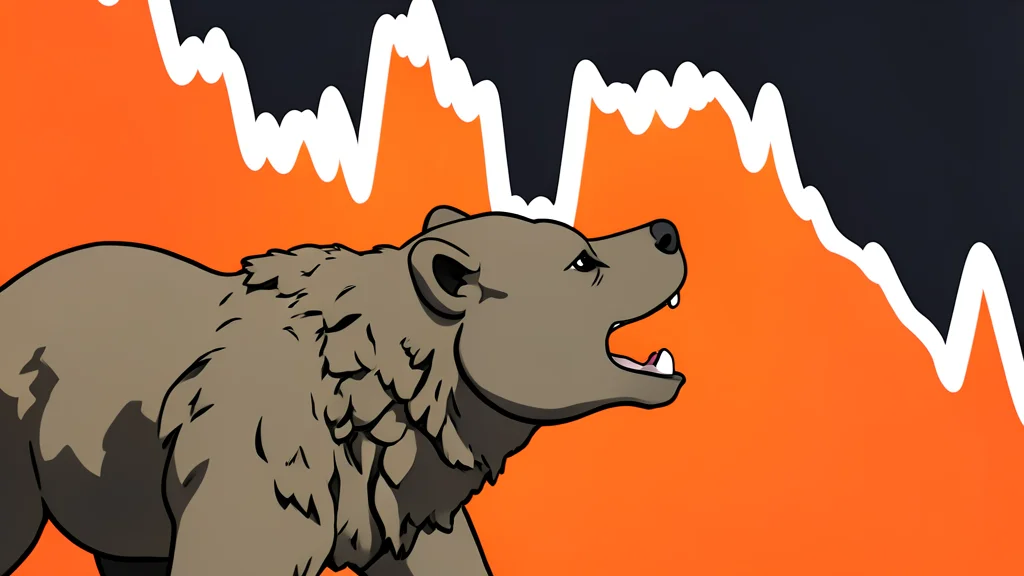
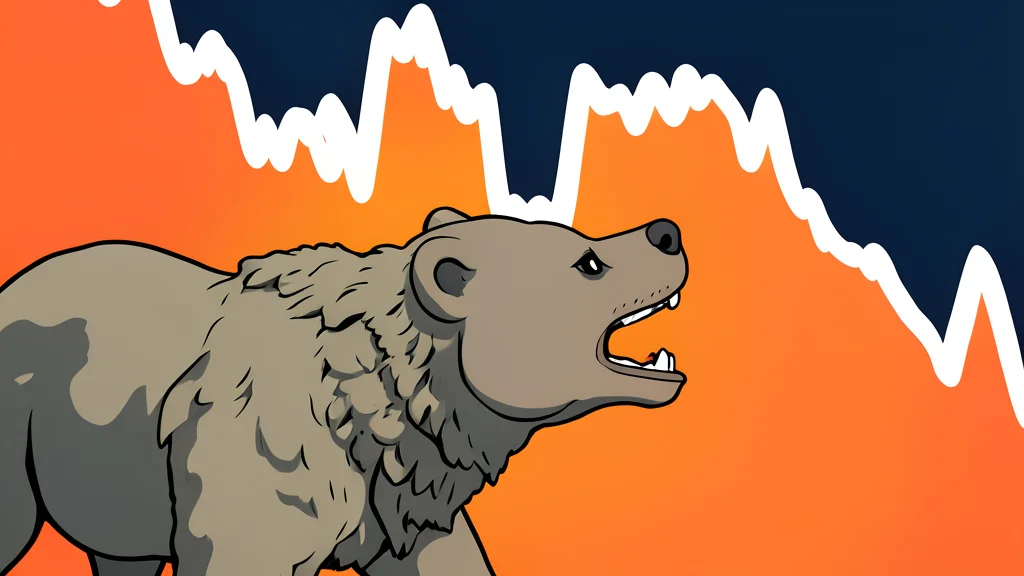
The CAPE ratio has only been above 40 for months twice in history. The first instance was the dot-com era. The current reading matches that historical extreme. This indicates the market is priced for perfection. Any disappointment in earnings could trigger a sharp correction. The risk of a bear market is statistically elevated.
The Buffett Indicator also shows a stretched market. This metric compares total US stock market value to GDP. It currently sits at 237%. Warren Buffett warns that levels near 200% are dangerous. The gap between stock prices and economic output is widening. This divergence is a classic sign of a bubble.
Fundamentals outperform hype in downturns
History shows that companies with weak business models fail during bubbles. In the 1990s, many tech firms had no revenue. They survived only on speculation. When the bubble burst, these companies went bankrupt. The S&P 500 fell into a bear market that lasted over two years. Survival depended on solid financial foundations.
Investors should prioritize durable competitive advantages. Reliable revenue streams are critical. Leadership with a track record of smart decisions matters. These factors help stocks weather economic rough patches. Hype-driven prices are volatile. Substance provides long-term stability. The current market environment rewards patience over speculation.
Strategic positioning for the next phase
The market is not guaranteed to crash. However, the risk is high. The pattern repeats every few decades. The data from GN auto markets/indices: stock index confirms the trend. Valuations are the highest they have been in years. Prudence is the only rational response. Focus on quality over quantity. Protect capital first. Growth comes second.