IMF Warns Libya Fiscal Deficits Threaten Dinar Stability

Libya's fiscal gaps drive inflation and reserve losses, requiring structural reform rather than just exchange rate management.
Key points
- IMF 2026 assessment links Libya's fiscal deficits directly to exchange rate pressure and inflation.
- Exchange rate intervention alone is insufficient without broader fiscal reform and spending discipline.
- Libya requires locally adapted financial innovations due to its fragmented institutional and political environment.
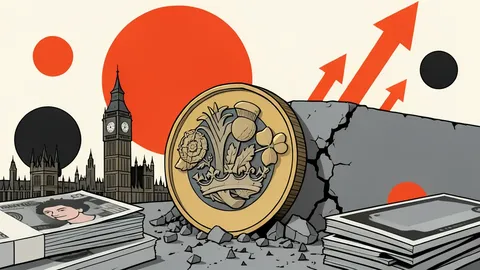
Libya’s large fiscal deficits are the primary driver of currency pressure and reserve depletion. The International Monetary Fund confirms that exchange rate adjustment alone cannot fix these underlying imbalances.
Dr. Najat Altorjman argues that protecting the dinar requires structural fiscal discipline. This approach targets the root causes of inflation rather than merely defending a specific exchange rate figure.
Fiscal deficits drive currency pressure
The IMF’s 2026 assessment links budget gaps directly to exchange rate stress. These deficits also reduce foreign exchange reserves and accelerate domestic inflation, weakening household purchasing power.
Current monetary interventions fail to address the structural source of this volatility. Libya must reduce inefficient public spending to stabilize the currency’s fundamental value.
Institutional fragmentation complicates reform efforts
Libya’s political fragmentation prevents the direct import of standard economic solutions. Competing interests and limited coordination across public institutions create significant implementation barriers for new policies.
According to Libya Herald, any viable strategy must fit this specific institutional reality. Standard models often fail when they ignore the fragmented nature of local governance structures.
Structural reforms support dinar purchasing power
Experts recommend linking public expenditure to measurable economic outcomes to improve efficiency. This shift aims to restore confidence in the dinar by ensuring government spending generates tangible value.
Expanding digital payments and strengthening banking finance for productive activity are also critical. These measures increase financial visibility and reduce the informal economy that undermines monetary policy.