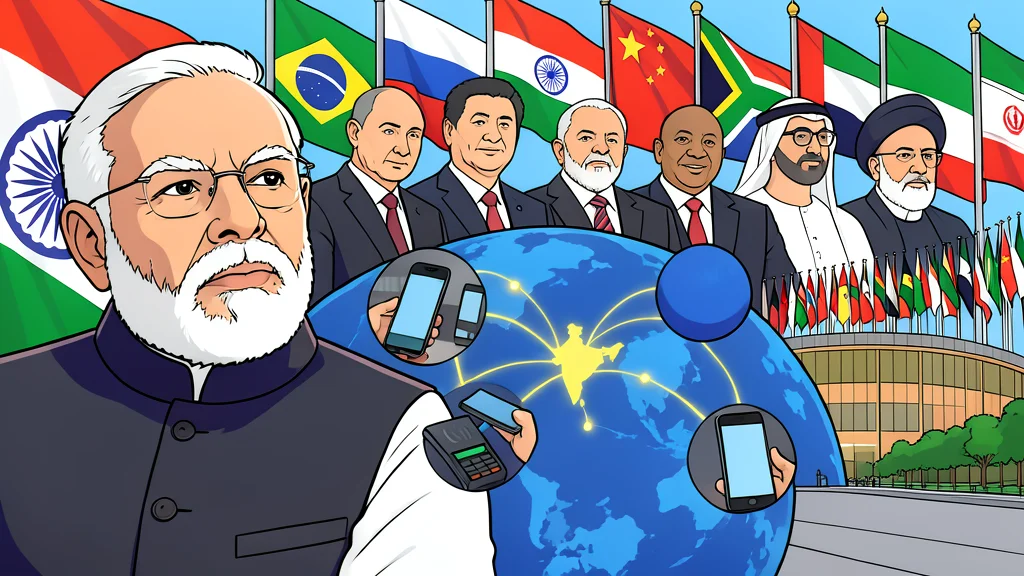
India Accelerates Rupee Internationalization via BRICS Payment Links

BRICS nations are advancing local-currency settlements to lower transaction costs and reduce dollar reliance. India is leading efforts to link digital payment systems for faster cross-border trade.
BRICS economies are moving to settle more trade in local currencies. This shift aims to cut transaction costs and lower dependence on the US dollar. India is driving this effort through faster cross-border payment links. The goal is to expand the rupee’s role in global commerce.
Commerce and Industry Minister Piyush Goyal urged member states to connect their payment systems. He called for promoting trade in each other’s currencies. The minister also highlighted the need to make digital trade global. These steps are designed to build a resilient financial network among emerging markets.
Digital Interoperability Reduces Friction
Experts say linking fast-payment systems will speed up cross-border transactions. Interoperability between Central Bank Digital Currencies is a key focus. This technical alignment makes payments cheaper and more secure. It also reduces the risk associated with currency fluctuations.
Sanjeev Agarwal of ENSO GROUP noted that this push is not about creating a new BRICS currency. He emphasized the value of interoperable sovereign digital currencies. Better local-currency settlement can materially reduce trade friction. Success depends on regulatory alignment and technical standards.
Rupee Gains in Global Trade
Greater use of local currencies lowers costs for Indian businesses. It limits risks from rupee swings against third currencies. Wider acceptance of the rupee strengthens its position in global trade. This diversification reduces reliance on traditional dollar-based channels.
Direct settlement in local currencies avoids multiple conversion steps. This efficiency boost is critical for cross-border investment. The strategy supports the broader internationalization of the rupee. It positions India as a key hub in the new financial order.
Strategic Shift Away From Dollar
The move reduces exposure to dollar settlement risks. It provides more payment options for traders. According to GN markets/fx (en-US), this structural change is significant. It signals a long-term shift in global trade dynamics.
Building robust risk-management systems is essential for this transition. Stronger banking links underpin the new payment infrastructure. The combined effect is a more efficient commercial environment. BRICS nations are reshaping their financial relationships through these concrete steps.