Fed Poised for Rate Hike Despite Supply-Side Inflation Concerns

The Federal Reserve is expected to raise interest rates on Wednesday to combat persistent inflation, though some economists argue this move ignores the primary supply-side drivers of price increases.
The Federal Reserve is widely expected to increase the federal funds rate by 25 basis points on Wednesday. The current rate range sits at 3.5% to 3.75%, a level held since December 2025. Officials aim to push annual inflation back to the 2% target. This move follows months of high consumer prices driven by external factors. The central bank seeks to signal its determination to control price growth.
Some economists question the effectiveness of this approach. They argue that higher borrowing costs do not address the root causes of current inflation. These causes include high oil prices from the war in Iran and global tariffs. The AI investment boom also contributes to rising costs. Monetary policy cannot open trade routes or remove tariffs. Critics say tightening demand does not solve supply-side shocks.
Supply shocks limit policy impact
Fed Chair Kevin Warsh recently emphasized the need to use policy tools aggressively. He stated a clear intent to bring inflation down to the 2% goal. However, Tom Barkin, president of the Richmond Fed, warned earlier this year against this strategy. He noted that raising rates does not free up trade routes or reopen factories. He compared the approach to addressing a bird flu egg shortage by slowing overall demand.
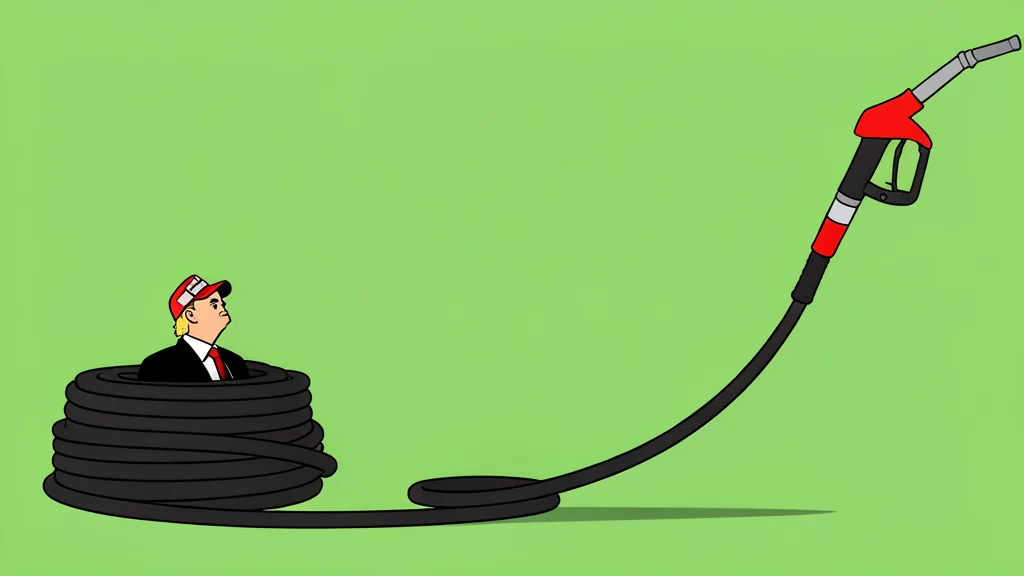
Diesel prices have reached record highs recently. This development has reduced patience among officials for ignoring supply shocks. Many now view a rate hike as necessary to counteract stubborn price increases. The strategy relies on reducing consumer spending to lower demand. This traditional playbook succeeded in the early 2000s but faces different conditions now.
Historical comparison shows distinct risks
In the 1980s, the Fed ended high inflation by raising rates sharply. This action plunged the economy into a recession. It created a wage-price spiral where workers demanded higher pay. Today, worker wages are falling behind inflation. This difference suggests a lower risk of a similar spiral. However, the cost of a potential recession remains a significant concern for policymakers.
Mark Zandi, chief economist at Moody’s Analytics, warned against tightening policy now. He noted that inflation is currently running above 3%. He argued that forcing growth below potential requires layoffs and rising unemployment. This could ignite a negative economic cycle. His view contrasts with the Fed’s current trajectory of increasing rates.
Market expectations remain firm
Goldman Sachs forecasters expect the Fed to hike rates regardless of the debate. They believe the central bank will act to signal its commitment to price stability. This move is seen as crucial for managing financial market expectations. Consumer surveys indicate that the public views current price hikes as temporary. This perception helps keep long-term inflation expectations in check.
Policymakers view stable inflation expectations as a self-fulfilling mechanism. If people believe inflation will remain high, they may act in ways that cause it. The Fed aims to prevent this dynamic through decisive action. The upcoming decision will test whether monetary policy can overcome supply-side constraints. The outcome will influence global financial markets and borrowing costs. GN markets/policy (en-US) reports that the debate centers on the efficacy of traditional tools in a modern economy.