Seattle Loses 20% of Single-Family Rentals in Five Years
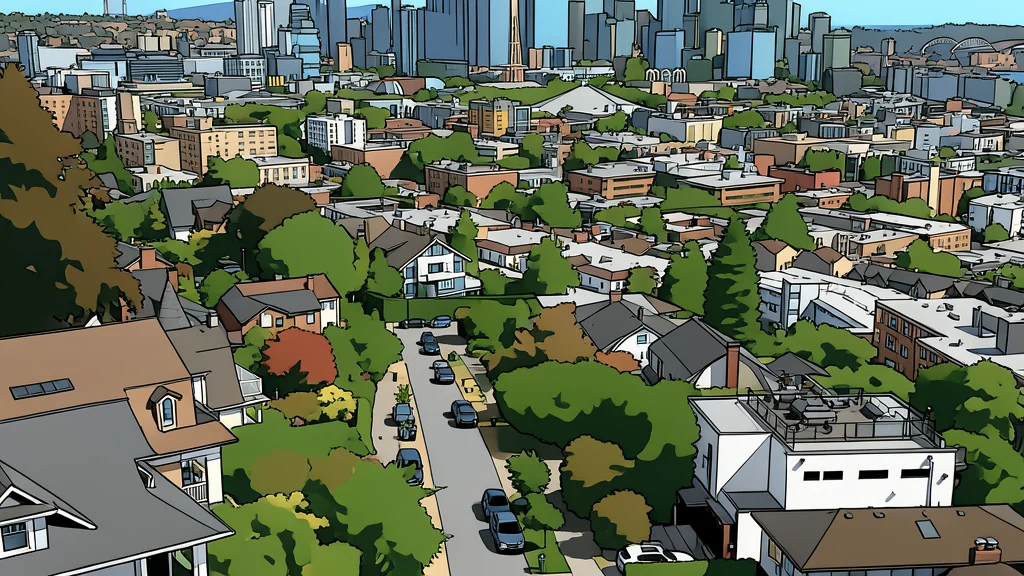
Seattle's stock of detached rental homes fell by 5,600 units between 2019 and 2024, marking a 20% decline in the city's stand-alone rental supply.
Seattle lost 5,600 single-family rental homes between 2019 and 2024. The inventory dropped from approximately 28,000 units to 22,400 units. This represents a 20% reduction in the city's detached rental stock over five years. GN auto markets/housing: rental market data highlights this sharp contraction. The trend reflects a structural shift in the local housing market.
Landlords are removing these properties from the rental market. Many units are sold to owner-occupants or demolished for denser construction. This shift reduces options for families requiring multi-bedroom spaces and yard access. These households often cannot afford to purchase homes in the current market. The loss impacts specific neighborhoods more than others.
Three neighborhoods lead the decline
Highland Park in West Seattle experienced the steepest drop. Detached rentals fell from 471 to 219 units. This represents a loss of 252 housing units. Madrona and Denny Blaine in Central Seattle followed. Renters lost 205 units as stock dropped from 352 to 147. The Broadview and Carkeek Park area in North Seattle saw the third-largest decrease. Rental houses fell from 344 to 148 units. These three areas combined for a loss of 653 detached rental homes.
Owner-occupancy replaces rental units
The displaced rental units are not left vacant. Census tract data shows a direct correlation between rental losses and owner-occupied gains. In Highland Park, owner-occupied single-family homes increased by 266 units. Owner-occupied townhomes rose by 25 units. This indicates a conversion of rental stock to private ownership. Some properties were also redeveloped into denser housing types.
Broadview and Carkeek Park saw a surge in attached housing. Owner-occupied townhomes increased by 132 units in this region. Older rental homes were purchased and cleared for new rowhomes. This redevelopment partially offsets the loss of detached rentals with denser attached inventory. The housing mix is shifting toward higher density structures.
Total housing stock rises despite losses
Seattle's total housing stock grew by nearly 12% from 2019 to 2024. The city added units through higher-density construction. However, the specific loss of single-family rentals creates a gap for certain demographics. Families priced out of the purchase market lose a key housing option. The data suggests a trade-off between overall unit growth and specific housing types.