US Mortgage Rates Hit 6.95% as Housing Slows

Mortgage costs have risen sharply, triggering a drop in new home building permits and starts across the United States.
The average rate on a 30-year fixed mortgage rose to 6.95% this week. This marks the highest level since January 2025. The previous week saw a rate of 6.76%. One year ago, the rate stood at 6.26%. Data from Freddie Mac confirms this upward trend. The Federal Reserve raised interest rates earlier this week. This move aimed to combat persistent inflation.
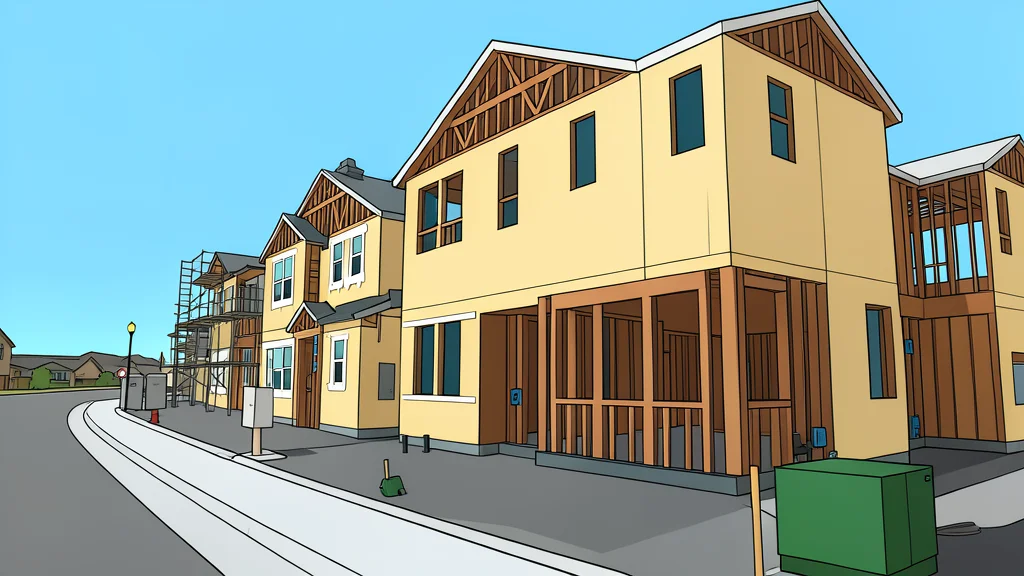
New residential construction figures released by the U.S. Census Bureau show a decline. Building permits fell in August. Housing starts decreased during the same period. Completions also dropped. These figures indicate weakening demand. Affordability challenges are widespread. Buyers face higher monthly payments due to the rate hikes.
Buyers Cautious Amid High Costs
Real estate professionals report a shift in buyer behavior. Prospective homeowners are delaying decisions. Tara Heinz, a realtor in Idaho, notes increased strategizing. Buyers require significant motivation to proceed. The financial numbers are higher than before. Families must ensure payments fit their budgets. This climate demands careful calculation. Impulsive purchases are rare now.
Inflation Drives Rate Increases
Rising gas and food prices contribute to cost of living increases. Experts cite the war with Iran as a primary factor. These external costs pressure household budgets. The Federal Reserve responded by raising rates. President Trump described the financial strain as temporary. He stated the conflict will end soon. This political context surrounds the economic data. Markets remain focused on the duration of these pressures.
Market Impact of Policy
The combination of high rates and construction dips signals a slowdown. The housing sector faces headwinds from multiple directions. Policy decisions directly influence borrowing costs. Construction activity reflects these constraints. The market is adjusting to higher capital costs. This adjustment period affects builders and buyers alike. The data provides a clear snapshot of current conditions.