China Loses Bronze to Iran, Missing Asian Games Medal for Second Time
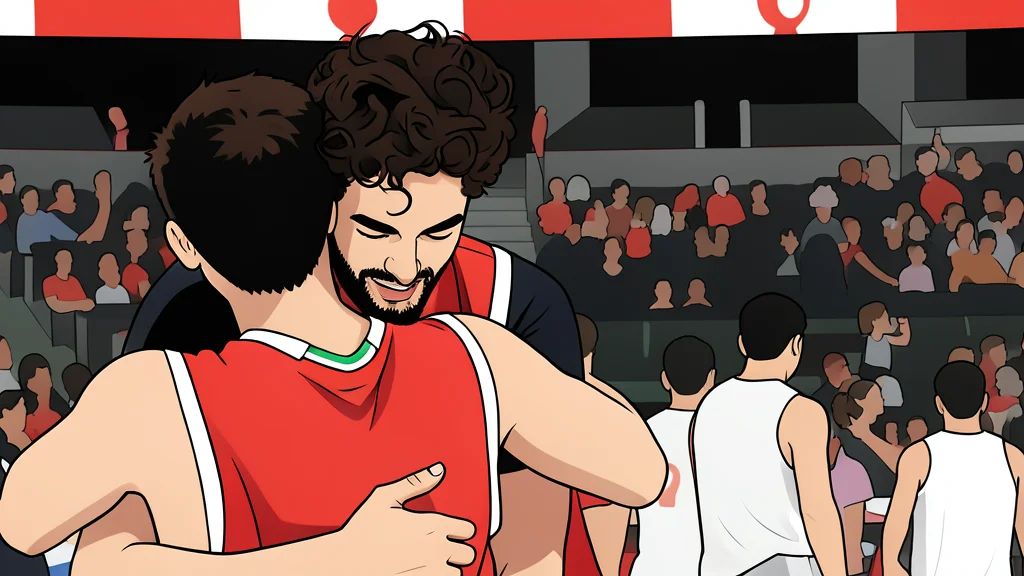
China's basketball squad fell 70-79 to Iran in Nagoya, marking their second consecutive Asian Games appearance without a medal.
Key points
- China lost 70-79 to Iran in the bronze medal match, finishing fourth at the 2026 Asian Games.
- This marks the second time in history China has failed to medal at the Asian Games, after 2014.
- Critics cite outdated tactics and a lack of modern adaptability as the primary causes of the failure.
The hardwood in Nagoya holds no mercy. The final buzzer sounded, sealing a 70-79 defeat against Iran. For the Chinese men's basketball team, the whistle did not just end the game; it ended a streak of dominance that once seemed unbreakable. The scoreboard glowed with a number that stung more than any previous loss: fourth place. This was not a stumble. It was a collapse. The second consecutive Asian Games where China failed to bring home a metal piece, a dark echo of the 2014 Incheon Games that still lingers in the collective memory of the sport.
Coach Guo Shichang stood on the sidelines, the weight of expectation pressing down on the air. The team had entered the tournament with high hopes, especially with key stars like Hu Jinchui, Wang Zhenze, and Liao Sanning forming a new core. They were supposed to be contenders. Instead, they found themselves trailing Japan by forty points in the semifinals, a margin that defied logic and history. The loss to Japan was a shock. The loss to Iran was a confirmation. The gap between ambition and execution had widened into a chasm, leaving the squad stranded in a performance that felt a decade behind the global standard.
A Historic Streak of Failure
History has a long memory in Asian basketball. China’s absence from the podium is a rare anomaly, occurring only twice in the tournament’s history. The first instance was in 2014, when the team finished fifth in Incheon. That result was shocking at the time, a sudden rupture in a pattern of consistent success. Now, in 2026, the pattern has broken again. The failure is not just a single game loss; it is a systemic issue that has persisted despite changes in personnel and coaching. The team’s inability to medal highlights a deeper disconnect between their training methods and the evolving nature of the sport on the continent.
Tactics Out of Step With Modern Game
Criticism from Chinese media has been sharp and unyielding. Reports from outlets like Sohu.com describe the loss as a stripping of pride, revealing a performance that lags far behind modern basketball standards. The criticism focuses on the coaching staff’s reliance on outdated tactical frameworks. Instead of adapting to the speed and pace of contemporary play, the team clung to a style that feels anachronistic. The emphasis on long-term training camps and fighting spirit has become a narrative of self-deception, unable to compensate for a fundamental lack of strategic relevance. The players fought hard, but effort without direction leads nowhere.
The semifinal loss to Japan, a team fielding its second squad, exposed the depth of the problem. A forty-point deficit is not a close game; it is a statement. It showed that the Chinese team could not even compete at a lower level of intensity. The subsequent bronze medal match against Iran offered a chance to salvage some dignity, but the result was a repeat of the previous failure. The team lacked the firepower, the tactical flexibility, and the mental resilience to overcome a dedicated opponent. The final score was not just a number; it was a verdict on a decade of stagnation.
A Call for Radical Change
The aftermath of the Nagoya games brings a harsh reality check. The narrative of the tragic hero, built on sacrifice and hard work, has lost its luster. The public and the media are demanding more than just effort; they are demanding results that reflect the global standard of the sport. The Chinese basketball federation must now confront the uncomfortable truth that their current approach is not working. The path forward requires a complete overhaul of tactics, training, and mindset. The Great Wall has crumbled, and rebuilding it will take more than just tears and apologies. It will take a revolution.