Garcia's Quiet Disappointment in De La Hoya's Absence
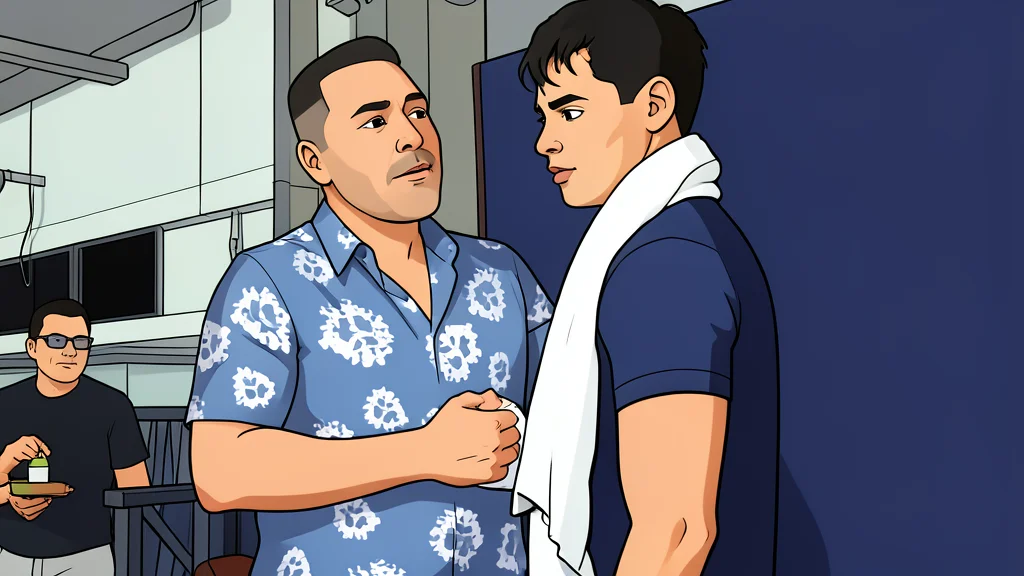
The arena hummed with electric tension as Ryan Garcia prepared to defend his title, yet the man who shaped his career sat absent from the ringside. This gap between expectation and reality left a lingering echo in the fight week narrative.
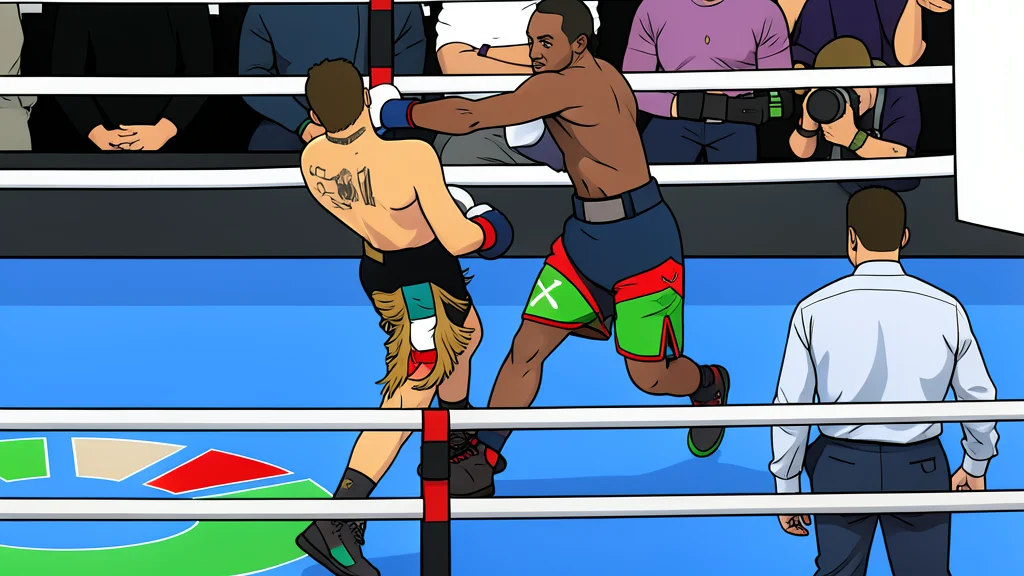
The spotlight cut through the haze of the Paramount+ broadcast, illuminating the canvas where Ryan Garcia stood ready to defend his WBC welterweight crown against Conor Benn. To the untrained eye, it was a standard Zuffa Boxing production, slick and controlled. But beneath the surface, a different current ran. Garcia had envisioned a walkout that felt like history, a pairing of legacy and present power. Instead, the ring remained empty of the one figure he had hoped would anchor that moment.
Oscar De La Hoya, the veteran promoter who guided Garcia through nearly a decade of professional development, was conspicuously absent. The build-up had stripped him of visibility, leaving him peripheral to a show that bore his name as co-promoter. In the aftermath, Garcia spoke not with anger, but with a weary clarity about the void left by that absence.
A Walkout That Never Happened
Garcia described the image he had in mind: Julio Cesar Chavez Sr., the Mexican legend, walking out with him, flanked by De La Hoya. It was a tableau of heritage, a blend of the old guard and the new. "I think that would be iconic," Garcia told Uncrowned. The visual was potent, a bridge across generations and geographies. But the reality was dictated by logistics and old feuds. De La Hoya was not invited to the walkout, a decision that Garcia acknowledged was beyond his control.
According to reports from Yahoo Sports and veteran journalist Dan Rafael, the exclusion was structural. De La Hoya’s contractually designated seat required him to navigate through the crowd, a security risk that Zuffa Boxing deemed unacceptable. The result was a simple, cold fact: he did not show up. Garcia noted that while a seat existed, it was effectively a barrier, not an invitation.
The Weight of Ten Years
The relationship between fighter and promoter has been strained for seven of their ten years together. Garcia’s disappointment is not just about one night; it is about a pattern of emotional distance. "He just doesn't want to show up for the people he's supposed to love," Garcia said, his voice carrying the weight of unmet expectations. He questioned the maturity and presence of his former mentor, sensing a disconnect that went deeper than business disagreements.
Garcia admitted that he did not care about the undercard or the promotional noise. What mattered was the human element, the visible support from the man who started his career. The silence from De La Hoya since the second-round TKO of Benn only deepened that sense of loss. It was a quiet rejection, not of the fight, but of the bond.
Choosing Not to Fight
Despite the sting, Garcia refused to escalate the conflict. "Sometimes you’ve got to pick your battles," he said, a phrase that resonated with the finality of a bell. He did not want to pick this one. The respect he once held for De La Hoya had curdled into a confused disappointment. He wished for the presence, for the love, but he accepted the absence. It was a professional detachment that masked a personal wound.
The fight was won, the title defended, and the night concluded. But for Garcia, the victory was tinged with a memory of what could have been. The image of the empty seat, the unfulfilled walkout, remained. It was a reminder that in boxing, as in life, the most significant absences are often the ones you cannot fight.