U.S. Women Reassert Dominance over Costa Rica in León
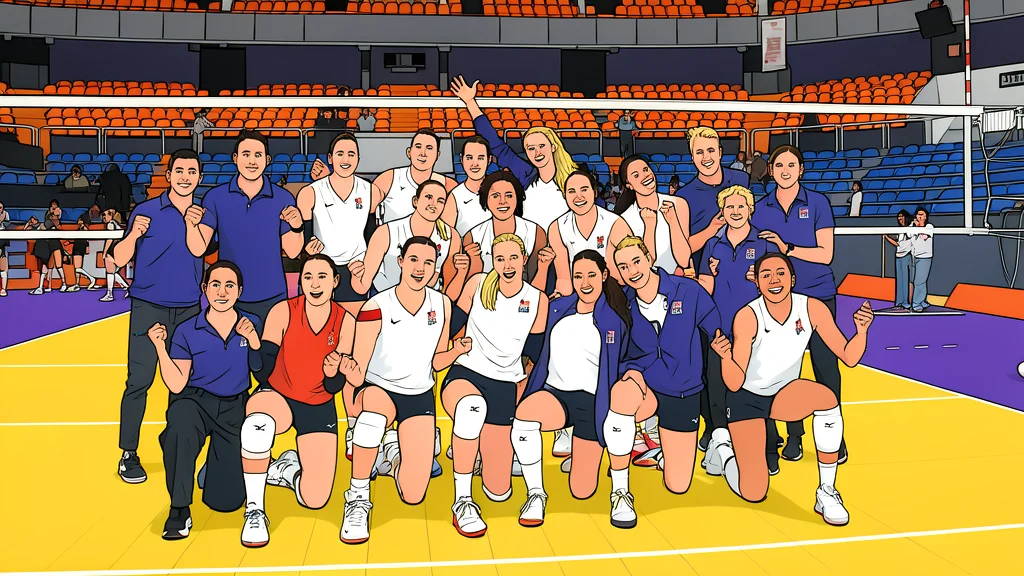
A nine-point surge broke the deadlock in León, turning a tight start into a commanding sweep that erased the sting of the previous night's defeat.
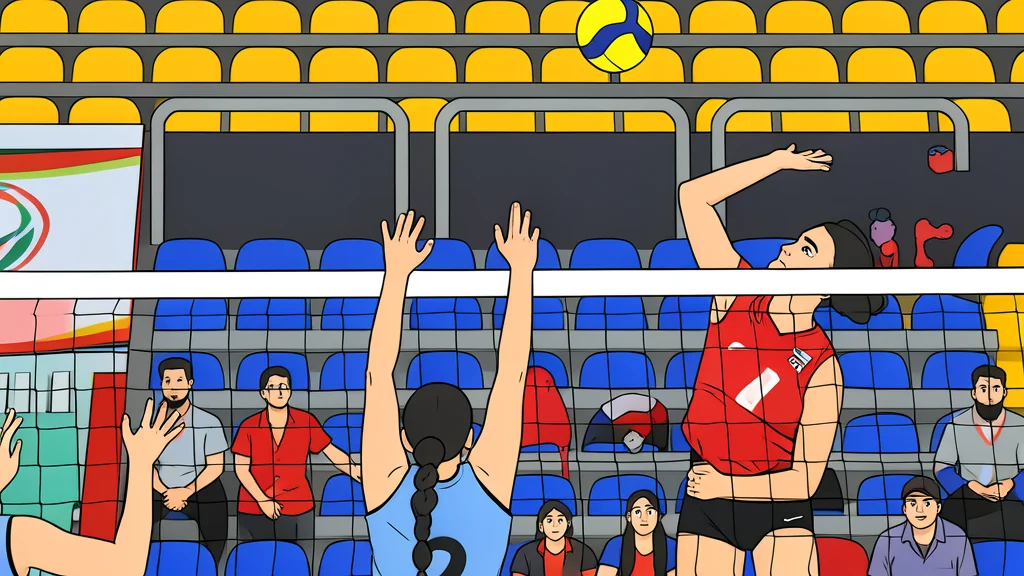
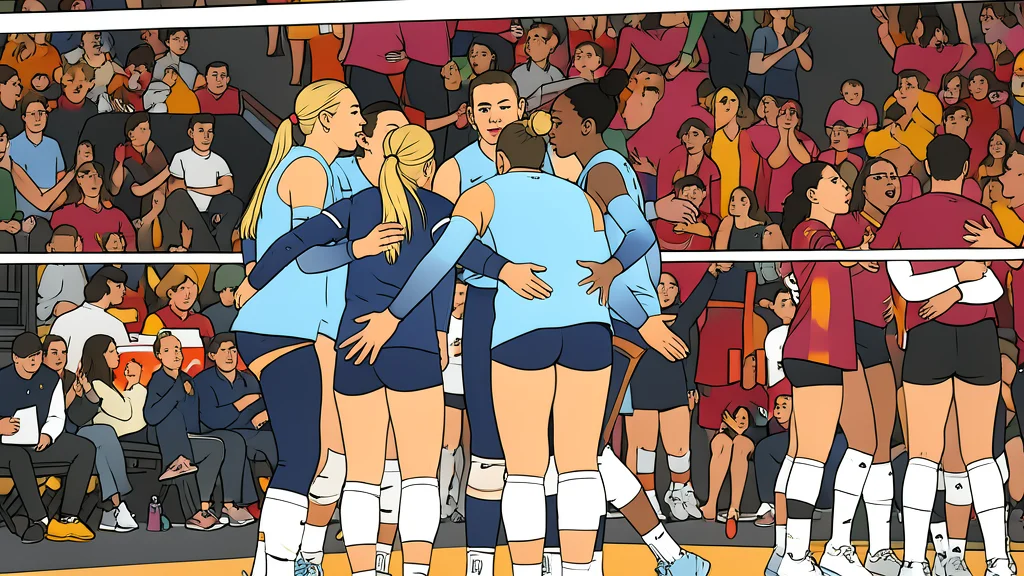
The air in the León arena hummed with the sharp crack of leather striking air. On Sunday, the U.S. Women’s National Team found its rhythm, dismantling Costa Rica in three straight sets (25-9, 25-8, 25-16) to snap a one-set losing streak. The scoreboard, previously a source of anxiety after Saturday’s stumble against Mexico, now reflected a team back in control. The ball moved with surgical precision, each attack finding a gap in the opponent's defense that felt less like a contest and more like a technical demonstration of power and placement.
The first set began with a nervous edge, the score clinging to 6-5 before the Americans unleashed a torrent of nine consecutive points. Claire Hoffman’s serves dug into the court, while Sami Francis and Eva Hudson hammered kills that left the net tape vibrating. By the time the set ended, the momentum had shifted irrevocably. The dominance continued into the second and third frames, where the U.S. led in kills 36-14 and held Costa Rica to a mere eight blocks, a statistic that highlighted the sheer force behind every swing.
Precision in the Setter’s Hands
At the heart of this efficiency was Rachel Fairbanks, whose distribution set the tone for the attack. With a hitting efficiency of .402 and only nine errors, her touches were clean, deliberate, and fast. She did not merely feed the hitters; she orchestrated a symphony of violence, setting up Sami Francis for a match-high 15 points. Francis, towering at six feet six, converted those sets into points with ease, her arms slicing through the air with the weight of authority.
Fairbanks’ calm was a stark contrast to the previous night’s chaos in the same venue, where Mexico had edged out the U.S. in four sets. That loss had left the team at 1-1, a precarious position in pool play. Sunday’s performance corrected the narrative. The team closed out the pool stage on Tuesday with a matchup against Guatemala, needing to maintain this level of focus to secure a favorable position in the bracket.
A Roster Built for Power
The depth of the roster was evident in the scoring columns. Claire Hoffman added 11 points, her three aces punctuating the offensive rhythm, while Eva Hudson matched her total with nine kills and two blocks. Natalie Foster contributed from the middle, her two blocks and two aces adding layers to the team’s multi-faceted attack. Even in the quieter moments, players like Toyosi Onabanjo and Jess Mruzik provided the structural integrity that allowed the stars to shine.
As reported by GN sports/volleyball, the team’s trajectory is now upward. The loss to Mexico has been digested, replaced by the confidence of a sweep. The court in Guanajuato remains the stage, but the energy has shifted from defensive caution to aggressive assertion. Every spike lands harder, every serve digs deeper into the opponent’s territory. The U.S. is no longer just playing volleyball; it is imposing its will on the game.
Road to the Finals
The path forward is clear but demanding. After the Guatemala match on September 15, the tournament intensifies with quarterfinals and classification matches on the 16th. The semifinal clash follows on the 17th, setting the stage for the final showdown on September 18. The physical toll of these high-intensity rallies is visible in the sweat on the polished wood, in the fatigue that lingers in the legs after a 25-point set. Yet, the U.S. women show no signs of slowing down.
They have found their groove in León, a rhythm that balances raw power with tactical intelligence. The white ball bounces off the floor with a dull thud, a sound that echoes through the gymnasium, a reminder of the stakes involved. For now, the U.S. stands at 2-1, a position that promises more. The next few days will test their resilience, but Sunday’s performance suggests they are ready for the challenge.