Fowler Demands Better After AI Video Scandal
The roar of the crowd in Austin faded quickly, replaced by the digital echo of a fabricated attack.
The stadium lights still hummed with the adrenaline of Texas’s stunning upset over Ohio State. Twenty-one unanswered points had shattered the Buckeyes’ composure, handing the Longhorns the No. 1 seed in a display of power that defined the young season. Yet the silence that followed was not the quiet of a locker room celebrating a historic victory. It was the heavy, suspended air of a controversy that had already begun to fester in the digital ether, detached from the grass and the gridiron entirely.
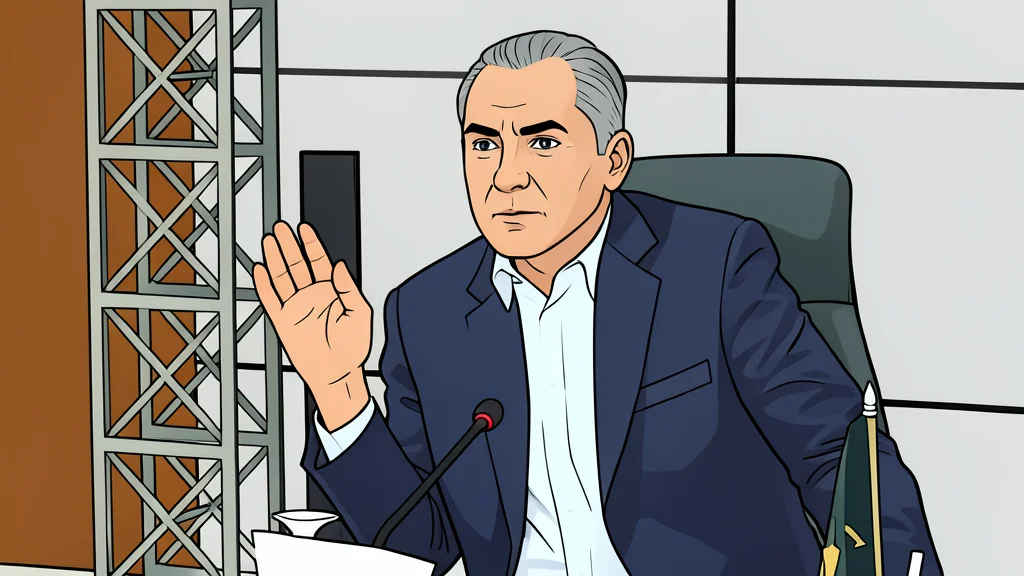
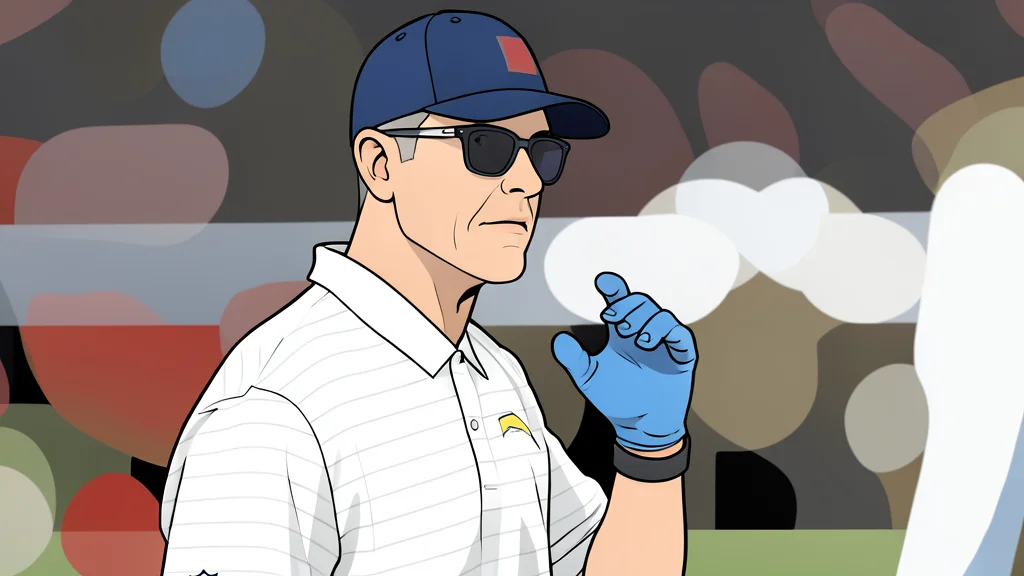
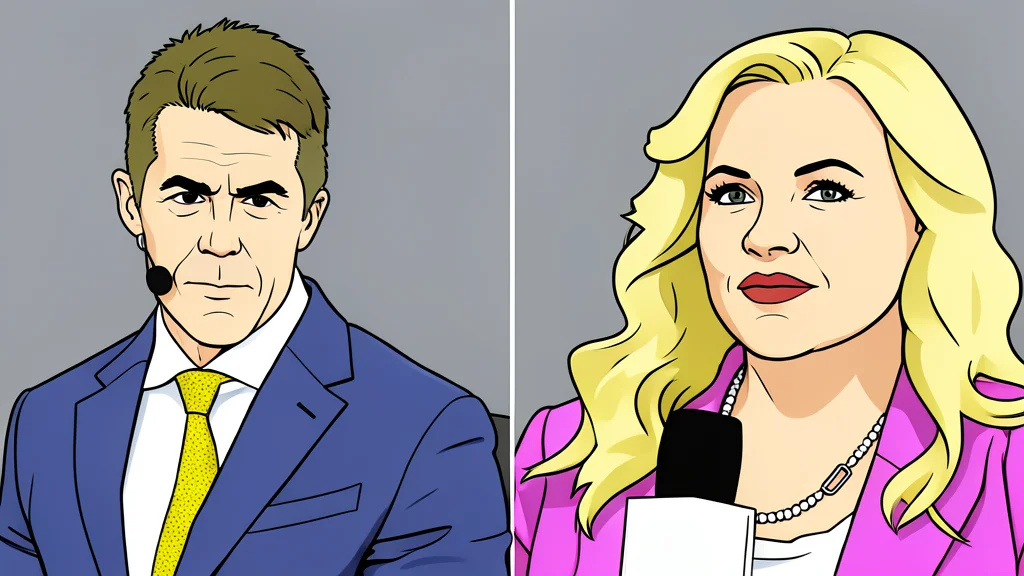
The focus shifted away from the scoreboard and toward a microphone stand on the sideline. A generated video, crafted by an anonymous creator, depicted Texas head coach Steve Sarkisian striking ESPN reporter Holly Rowe. The clip spread with viral velocity, turning a brief, awkward postgame interaction into a spectacle of alleged violence. The narrative twisted quickly, overshadowing the athletic excellence that had just transpired under the Texas sky.
Laughter in the Press Room
The atmosphere at the Monday press conference was thick with tension. When the topic of the circulating video arose, the room did not fall silent. Instead, a ripple of laughter broke through the professional veneer. Texas quarterback Arch Manning, seated at the table, joined in, referencing the clip with a casual, dismissive tone. He asked his colleagues if they had seen the version of him slapping Rowe, treating the fabricated violence as a joke to be shared rather than a serious issue to be condemned. The sound of their mirth echoed a failure of empathy that would soon face public scrutiny.
The backlash was immediate and severe. Manning later issued an apology for his
A Colleague Stands Firm
Chris Fowler, the veteran voice of ESPN, refused to let the incident fade into the background. In a direct address to the public, he painted a vivid portrait of Rowe’s professional dedication and personal resilience. He described her as a
Fowler’s words carried the weight of long-standing respect. He noted that the ugliness of the week should not define Rowe’s legacy. He pointed out the absurdity of colleagues laughing at a depiction of physical abuse against a woman they know and respect. His stance was clear: the incident was not a matter of offense taken lightly, but a violation of basic human decency that required a reckoning.
Redefining the Standard of Respect
In a separate interaction, Fowler dismissed a commenter who suggested that the public was overly sensitive. He cut through the deflection with sharp precision, labeling the sentiment as ignorant and off base. He emphasized that depicting real people in acts of violence is not humor. It is a distortion that harms reputations and erodes trust. His response was a rebuke to the culture of casual cruelty that often thrives in the comments sections of sports media.
The story, as reported by Yahoo Sports, highlights a turning point in how sports figures handle digital harassment. It is a reminder that the lines between public figures and private individuals have blurred, and that the responsibility to treat colleagues with dignity remains paramount. The Texas Longhorns may have won the game, but the battle for professional integrity is just beginning.