Griffin Blames Texas Receivers for Manning's Struggle

Under the glare of stadium lights, Arch Manning faced a night where the ball refused to stick, and the blame landed squarely on his wideouts.
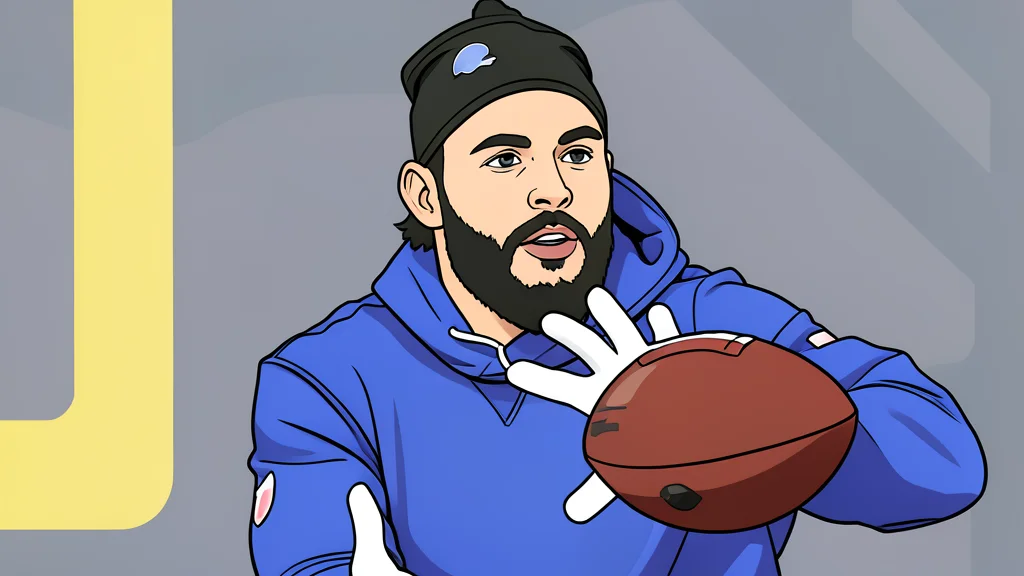
The air in the stadium crackled with electric anticipation, a charged tension that hummed through the grass. Kevin Durant snapped a football, his form fluid and precise, while Matthew McConaughey’s voice boomed over the speakers, painting a narrative of dominance. But on the field, the script fractured. Arch Manning stood in the pocket, the weight of expectation pressing against his shoulders as he faced Julian Sayin. The Ohio State defense swarmed, a black tide rushing in, and Manning’s arm whipped forward. The pass hung in the air, a fragile white oval against the dark, before being bobbled, dropped, and snatched away by a Buckeye defender. The crowd exhaled, a collective sigh of disbelief rippling through the stands.
By halftime, the scoreboard told a brutal story: 23-3. Manning had managed just 60 yards of production, a meager amount for a quarterback of his stature. The offense sputtered, the rhythm broken by missed connections and dropped targets. Robert Griffin III, watching from the broadcast booth, did not mince words. He pointed directly at the Texas wide receivers, declaring that it was they who were letting Manning down. The criticism was sharp, a cold wind cutting through the warm glow of the lights. It was not the quarterback who failed, Griffin argued, but the players who failed to catch the ball he threw.
The Receivers Missed the Mark
The statistics painted a picture of disconnection. Cam Coleman, the Auburn transfer and preseason All-SEC candidate, led the team with three catches for 33 yards. Ryan Wingo managed three short receptions. These numbers were not enough. They lacked the spark, the explosive plays needed to keep pace with Ohio State’s Jeremiah Smith and the rest of the Buckeyes’ offensive engine. Manning, known for his ability to extend plays and create something from nothing, found himself without the tools to do so. The passing attack, which should have been the centerpiece of Texas’s strategy, was reduced to a series of incomplete attempts and dropped passes.
A Quarterback Needs Support
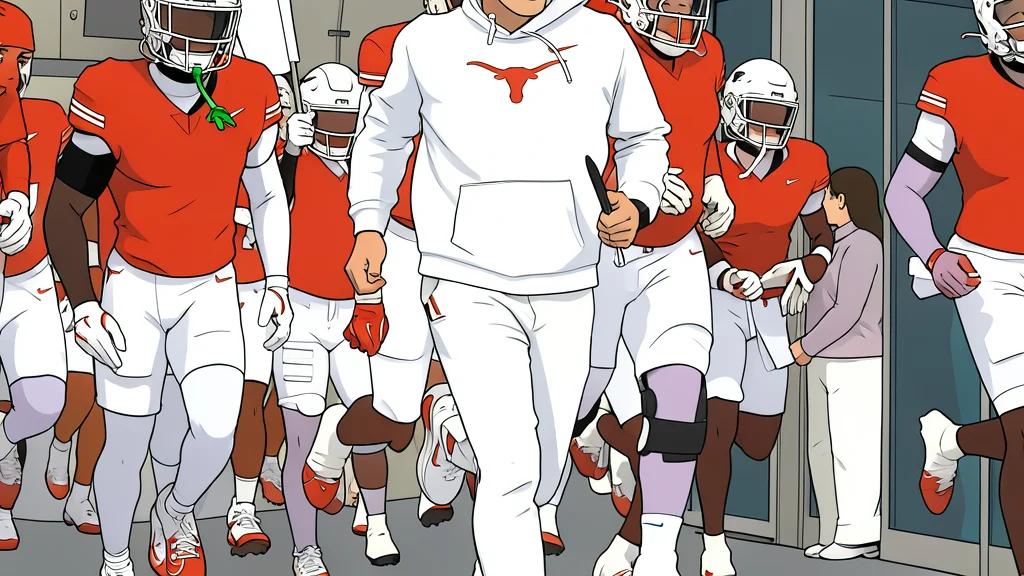
Manning is widely regarded as one of the best players in college football. His vision, his arm, his ability to read a defense are elite. But even the best quarterback cannot carry a team on his back alone. He needs a running game to keep defenses honest, and he needs receivers who can separate from defenders and secure the ball. In this game, that support was absent. The Longhorns’ offense, which had looked promising in the preseason, struggled to find any kind of cohesion. The absence of a strong passing attack left Manning exposed, unable to pick up his team on the ground as he had in the past.
The Clock Ran Out on Hope
As the fourth quarter approached, the gap between the two teams seemed insurmountable. The Ohio State defense continued to pressure Manning, forcing him into difficult throws. The Texas receivers, meanwhile, failed to create the separation needed to make those throws easy. Griffin III’s words echoed in the minds of fans and analysts alike. The criticism was not just about one game, but about a larger issue: the need for the entire offense to perform at a high level to support Manning’s talent. The Longhorns had entered the game with a solid mix of newcomers and returnees, but on this night, that mix failed to produce the results needed to compete with a powerhouse like Ohio State. The final score was a testament to the struggles of the Texas offense, a reminder that even the most talented quarterback needs help.