Harrison Smith's Return Sparks Debate on His Final Season
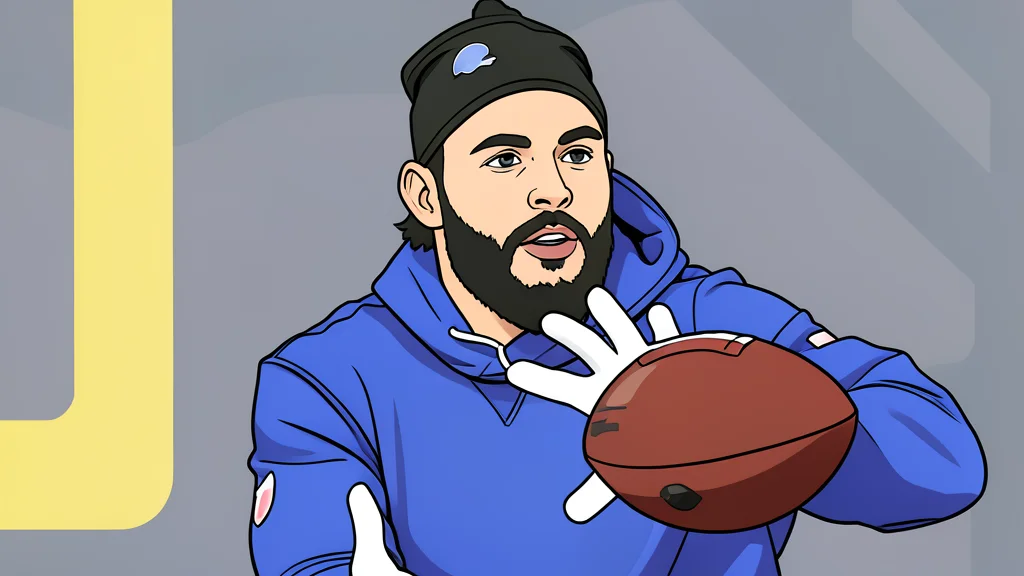
Harrison Smith laced up his boots for a fifteenth campaign with Minnesota, but the question of whether this is his last ride remains unresolved.
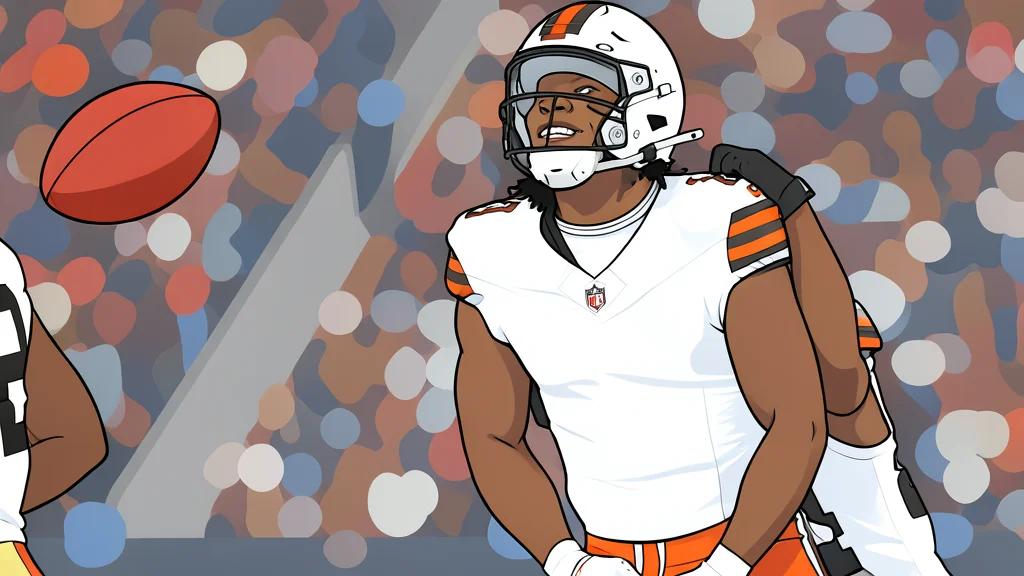
The Minnesota Vikings facility hummed with the low, electric buzz of a veteran’s return. Harrison Smith stood on the field, the leather of his helmet catching the late afternoon light, ready to face the Green Bay Packers in Week 1. For fifteen years, he has been the anchor of the secondary, a figure carved from discipline and instinct. Yet, as the crowd noise swelled, a quieter tension lingered in the air. Was this the farewell tour? The final bow? The uncertainty hung thick, heavier than the humid air over the stadium.
Smith’s decision to suit up again defied the usual trajectory of a player in his late thirties. While many at his age seek the quiet of retirement, Smith chose the grind. He skipped the traditional rigmarole of early training camp, a move that sparked debate across the league. According to Yahoo Sports, this unconventional approach has led to a fascinating reassessment of his longevity. The narrative shifted from "is he done?" to "what does he want to achieve?"
Skipping Camp Changes the Narrative
Judd Zulgad, writing for Purple Daily, argues that Smith’s aversion to training camp was not a signal of decline, but a strategic preference. "He doesn't want to come to training camp," Zulgad noted in a recent video. "I don't blame him." The analyst suggests that if the team and player have reached a mutual understanding, allowing Smith to bypass the early physical toll, his body could sustain him for another one or two seasons. It is a modern, tailored approach to aging in a high-impact position, prioritizing longevity over the ritual of early camp.
This perspective challenges the assumption that a safety must suffer through every drill to remain effective. Smith’s home workout regimen, described as intense and rigorous, may be sufficient to keep him sharp. The retirement rumors, Zulgad posits, were less about physical inability and more about a desire to avoid the specific demands of early camp. Most players do not get such passes, but Smith’s status and self-discipline earned him that exception.
Woodson’s Path Offers a Blueprint
Historical precedent supports the idea that elite cornerbacks and safeties can extend their careers well into their late thirties. Phil Mackey pointed to Charles Woodson, who played until he was 39, finishing his career with the Oakland Raiders as a second-team All-Pro and Pro Bowler. "Harry's in good shape," Mackey observed. "It's not like he's out partying." The comparison highlights a rare durability in the secondary, where physical degradation is often faster than in other positions.
Smith’s recent statistics underscore this capability. Last season, he played 793 snaps, maintaining a 68.9 defensive grade. He allowed an 81.0 passer rating when targeted, surrendered 21 receptions in coverage, and contributed 42 solo tackles. These numbers paint a picture of a player still operating at a high level, not merely treading water. His ability to cover and tackle remains a vital asset for the Vikings' defense.
Passing the Torch to Younger Safeties
Beyond his own performance, Smith’s motivation is deeply rooted in mentorship. He does not view his return as a personal chase for a ring, but as an opportunity to permeate the team with his knowledge. "Part of coming back, I want to be able to give as much as I can to the next wave," Smith told reporters. He aims to help the younger safeties navigate the complexities of the position, sharing the nuances he has mastered over fifteen years.
The veteran’s mindset is clear: he still needs to make plays and win games, but his role has expanded. He is a living repository of tactical wisdom, ready to impart it to those who follow. "I just feel like I got a little more to give," he said. The image of Smith in the helmet is no longer just that of a defender, but of a teacher, ensuring that the Vikings’ secondary remains formidable long after his final snap.