Saban Dismisses Week 1 Noise as Austin Hosts Texas-Ohio State Clash
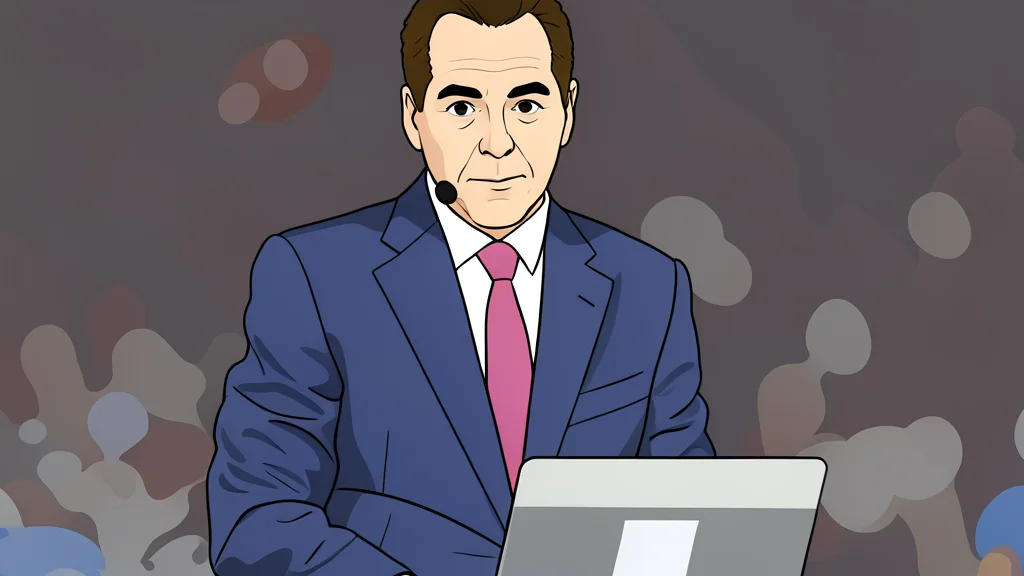
The air in Austin is thick with anticipation as two powerhouses collide, yet the legend urges silence over the immediate verdict of a single Saturday.
The Texas Longhorns and Ohio State Buckeyes prepare to meet on a field where the stakes feel heavier than the scoreboard. The crowd’s energy hums, a low vibration that travels through the stands and settles in the chest. It is a setting designed for spectacle, where every snap carries the weight of a season’s narrative before the final whistle even blows.
But amidst the roar, a different voice cuts through. Nick Saban, standing in the center of this storm, rejects the frantic need for instant judgment. He speaks not of strategy or talent, but of the mental discipline required to ignore the noise. In his view, the moment the first game ends, the cycle of hysteria begins, and teams must learn to step out of it.
Rejecting the early verdict
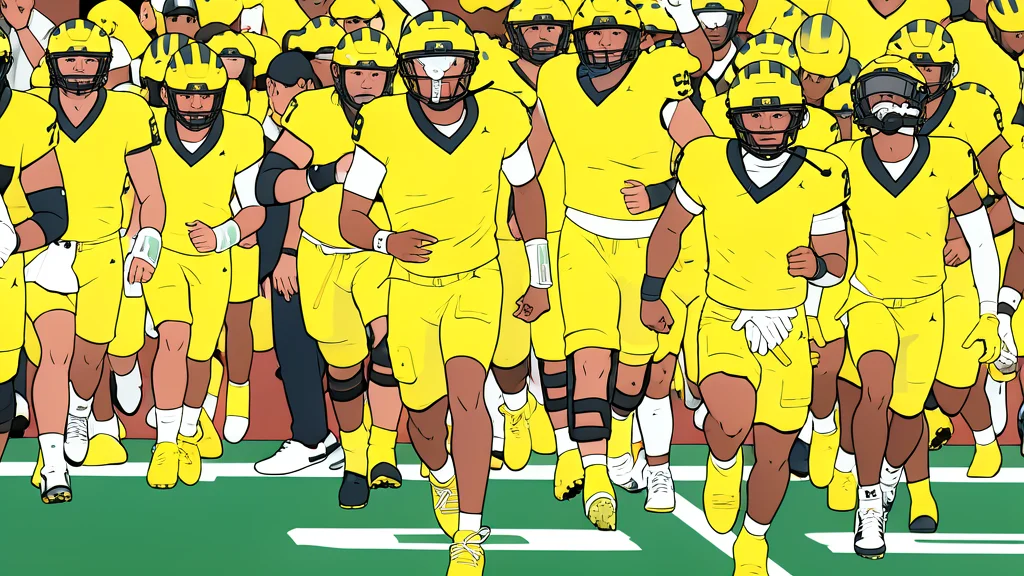
Saban’s frustration is palpable, a sharp edge to his demeanor. He points to the swift rise and fall of public opinion, citing teams like LSU and Michigan as examples of how quickly a single performance is magnified into a permanent status. The media, he argues, rushes to declare champions or failures based on a fleeting snapshot, stripping away the complexity of a long season.
His advice to players is blunt: ignore the commentary. He calls for a collective calm, urging everyone to step back from the precipice of overreaction. The season is a marathon, not a sprint, and the early miles do not dictate the finish line. This perspective serves as a counterweight to the immediate gratification sought by fans and analysts alike.
A seasoned perspective on chaos
This is not a new battle for Saban. In his third season appearing on the show, he has witnessed the same patterns repeat themselves year after year. The instinct to extrapolate a full year’s worth of success from one Saturday’s play is a human reflex, difficult to break but necessary to manage. The game itself remains the only true metric, detached from the swirling cloud of external noise.
As the kickoff approaches, the focus returns to the field. The players line up, eyes fixed on the ball, the crowd’s chant rising in a unified wave. The noise of the media fades into the background, replaced by the physical reality of the contest. In this moment, only the next play matters, and the verdict waits.
The enduring nature of the game
Yahoo Sports highlights this recurring theme, noting that the cycle of overreaction is as constant as the sport itself. Teams have the opportunity to improve, to adjust, to define themselves over time. The initial reaction is merely the first brushstroke in a much larger painting, one that will not be complete until the season’s final chapter is written.
The tension in the stadium is a physical thing, a heavy atmosphere that presses down on the players. It is a reminder that while the world wants a quick answer, the game demands patience and persistence. The result will speak for itself, stripped of the hyperbole, standing as a simple truth in a sea of speculation.