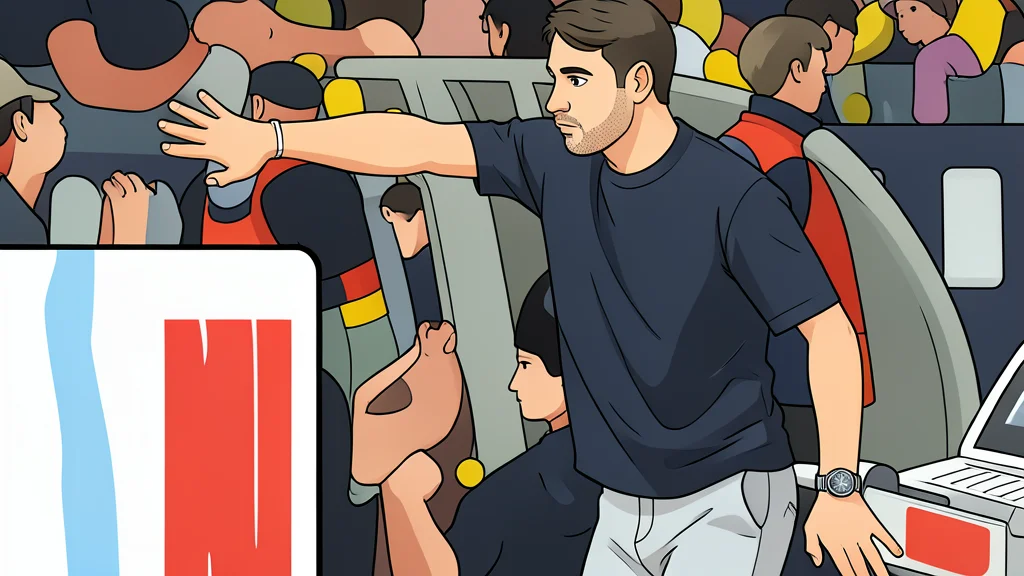
Iraola’s Frustration Boils over at Anfield
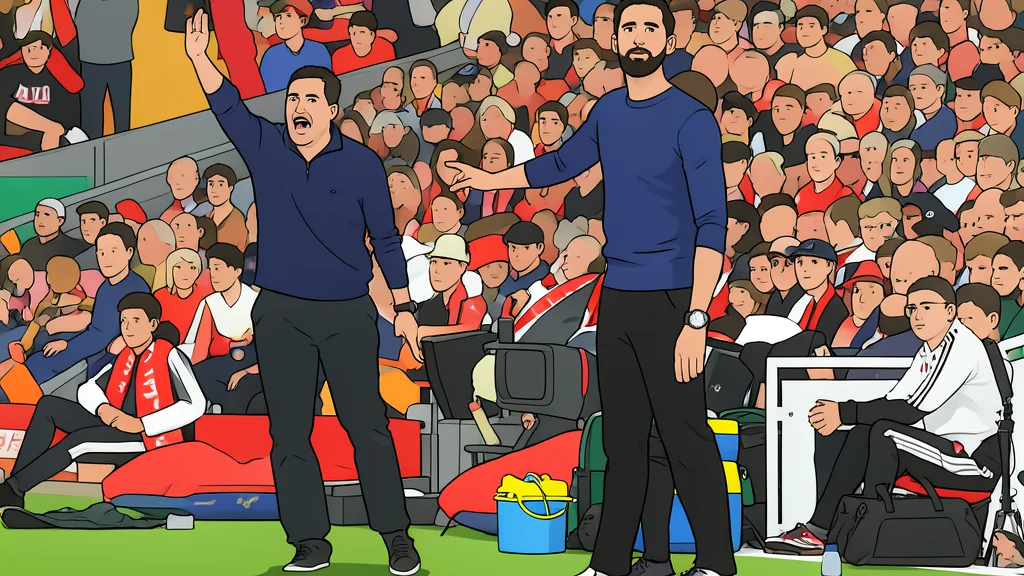
Fulham’s deliberate management of restarts has eroded Liverpool’s attacking rhythm, turning the atmosphere at Anfield from hopeful to hostile as Andoni Iraola struggles to contain his growing frustration on the touchline.
The air inside Anfield hangs heavy with a distinct, sour tension. It is not the electric buzz of a dominant performance but the low, grinding hum of frustration. On the touchline, Andoni Iraola paces back and forth, his body language speaking louder than any shouted instruction. Every slow, deliberate throw-in by the visiting Fulham players seems to add another layer to his visible irritation. The clock ticks, but the game feels frozen in a viscous sludge of managed tempo.
BBC Sport’s Aadam Patel captures the scene from pitchside, noting how the home manager’s patience is fraying. The urgency that propelled Liverpool through their midweek European victory against Atletico Madrid has evaporated. In its place is a sluggish, disjointed rhythm that allows Fulham to breathe. The visitors are not just playing the game; they are controlling its heartbeat, dragging every restart into a prolonged standoff that drains the energy from the stands.
Tactical Discipline Stifles Momentum
Fulham’s approach is calculated and cold. Under the guidance of their tactical setup, the Cottagers have settled into a composed possession game that feels almost suffocating for the hosts. They do not chase the ball; they wait for it to come to them, only to distribute it with a precision that disrupts Liverpool’s counter-pressing rhythm. This deliberate management of restarts turns every set piece into a psychological battle, forcing the home side to wait, to watch, and to grow increasingly uncomfortable on their own patch.
The crowd’s reaction mirrors the on-field stagnation. Audible groans ripple through the stands as the match officials allow the delays to continue. There is a palpable sense that the visitors are exploiting the rules to their advantage, using the time to regroup and reset their defensive shape. For Liverpool, this is a nightmare scenario. They are hunting for a spark, for a moment of high-tempo urgency, but Fulham’s shield remains unbroken, their patience unyielding.
A Restless Anfield Atmosphere
The mood in the stadium has shifted from supportive to critical. The usual roar of encouragement has been replaced by a collective sigh of exasperation. Fans are directing their frustration toward the pace of play, sensing that their team is being held hostage by the visitors’ tactical discipline. The energy that typically drives Liverpool forward is being sapped away, leaving them stranded in a midfield battle they seem unable to win.
As the first half nears its end, the contrast is stark. Fulham, seeking their first points of the Premier League campaign, have shown a level of tactical maturity that belies their early-season struggles. They have restricted Liverpool’s dangerous attack, neutralizing the threat before it can fully develop. The visitors look comfortable on the ball, their movements fluid and purposeful, while the hosts struggle to find their footing in the wet, muddy grass of Anfield.
Recalibrating for the Second Half
Iraola faces a daunting task as he leads his team into the dressing room. The halftime break offers a rare moment of respite, a chance to recalibrate and inject the much-needed intensity into the second-half performance. The tactical adjustments needed are clear: more urgency, more pressing, and a refusal to let Fulham dictate the pace. Whether the team can respond to this call to action remains to be seen, but the pressure on the manager is now palpable.
The coming forty-five minutes will be a test of nerve and will. Liverpool must break the rhythm that Fulham has established, finding a way to pierce the defensive line that has held them at bay so far. For Fulham, the strategy is to maintain their composure, to keep the ball moving, and to ensure that Liverpool never regains the high-tempo edge that defined their recent European success. The battle for control is far from over, but for now, the visitors hold the upper hand.
Fulham tactics disrupt Liverpool momentum
The dynamic shift in the match was driven by Fulham’s tactical decision to slow down the game's pace. By deliberately delaying throw-ins and goal kicks, the visitors successfully disrupted Liverpool's counter-pressing rhythm, preventing the hosts from finding the high-tempo urgency that characterized their previous European campaign.
This calculated approach had a direct impact on the home support. What began as anticipation quickly curdled into irritation, with the crowd growing increasingly restless as Fulham maintained a comfortable hold on possession. The audible groans directed at the officials reflected a stadium that felt strangled by the visitors' effective clock management.
On the sideline, Andoni Iraola’s demeanor mirrored the unease in the stands. His visible agitation highlighted the difficulty of breaking down a side that was content to absorb pressure and manage the tempo, leaving Liverpool unable to generate the sustained offensive threat they require.