The Widening Chasm: UTSA's Reality Check Against No. 1 Texas

Four years after a surprising scare in Austin, the financial and athletic divide between mid-major programs and the elite has become an unbridgeable canyon. UTSA now faces a 30-point deficit not just in talent, but in the sheer economic weight of modern college football.
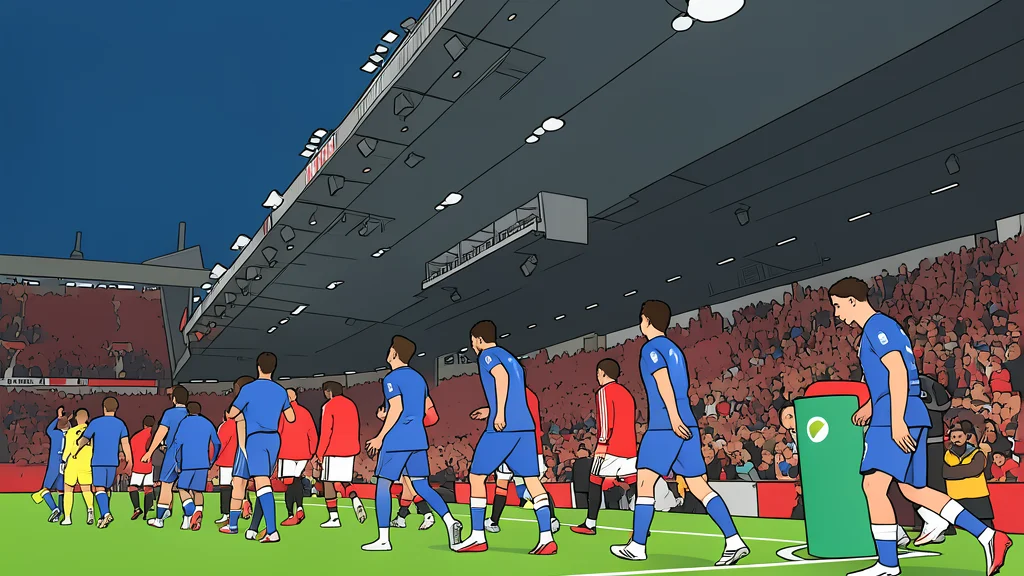
The green grass of the Longhorn stadium stretches out under a clear, unblemished sky, the white yard lines marching into the distance like a promise that feels increasingly out of reach. For Jeff Traylor, the head coach of UTSA, that view is no longer a canvas for potential upsets but a stark reminder of a shifting landscape. In 2022, the Roadrunners entered this arena with a two-touchdown underdog tag, a scenario that felt attainable, even likely, given the era's unpredictability. They dialed up a surprise onside kick, executed a trick play for a touchdown, and held a ten-point lead early in the second quarter. The air in Austin hummed with the possibility of a historic moment. Then the surge came. Texas, fueled by a roster of elite talent, pulled away to win 41-20. It was a scare, yes, but also a preview of what was to come.
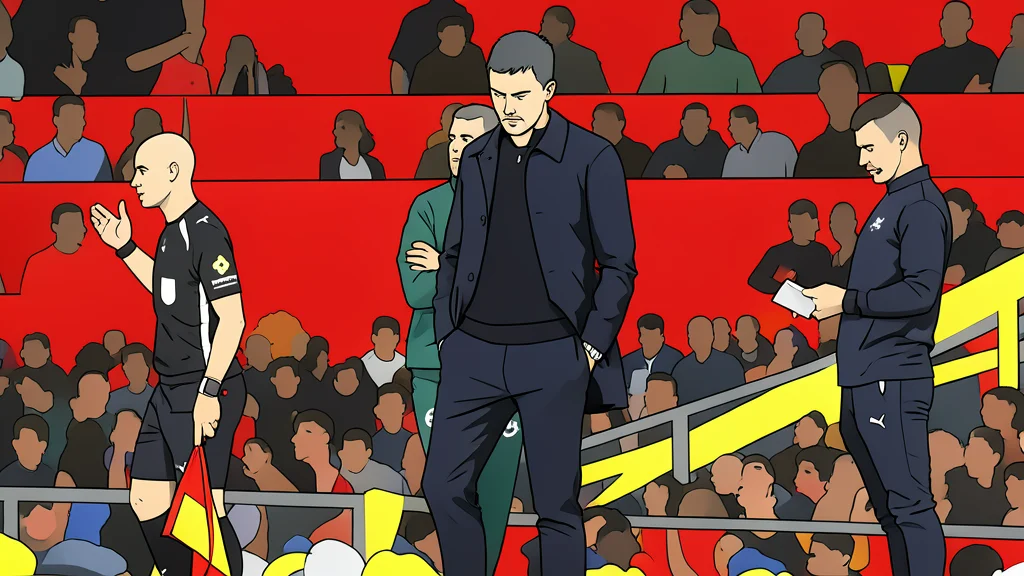
Today, the atmosphere is different. The gap has not merely widened; it has yawned open like a fault line. UTSA faces a No. 1 ranked Texas team that holds a thirty-point favorite status. The Roadrunners are preparing for a 7 p.m. Saturday kickoff, but the tone in the locker room has shifted from hopeful defiance to sober realism. Traylor, who once argued for the dissolution of Power Five and Group of Five labels, now admits those comments were foolish. "The game has changed drastically," he says. "It would take the miracle upon miracles for us to pull this off." The language of competition has been replaced by the language of survival, as the economic engine of college football pulls top-tier talent away from mid-majors and into the vaults of elite programs.
Revenue Sharing Redrew the Map
The mechanism behind this shift is cold and precise: revenue sharing. This financial structure allows elite programs to reliably land top-tier talent, creating a feedback loop of success and investment. A report released by The Athletic lists Texas, along with Texas A&M and LSU, as three of the five most expensive rosters in the country, with estimated budgets ranging between $45 and $55 million. In contrast, UTSA athletic director Lisa Campos stated in February that the Roadrunners' football roster was expected to earn between $4.5 and $5 million. This is not a close race; it is a chasm. Traylor’s words cut through the polite veneer of sportsmanship: "You just can't play guys that pay $55, 50 million."
The financial disparity is visible in the contracts themselves. UTSA earns a $1.7 million guarantee for Saturday's matchup, a sum that reflects the national exposure and the prestige of facing a powerhouse. However, this payout is a drop in the ocean compared to the resources Texas deploys on the field. The contract to play Texas every other year started at $1.5 million in 2022 and escalates to $1.9 million for the final year of the agreement in 2030. Meanwhile, last year's opener at Texas A&M paid $1.5 million, and a date with LSU next fall is set to pay $1.6 million. These figures highlight a paradox: the more money mid-majors earn from these marquee games, the less competitive they become on the field. The exposure is there, but the equality is gone.
The Cost of Competing Against Giants
Beyond the financial ledger, there is a physical toll. The Roadrunners have suffered injuries and wear that align with the scale of their opponents. Most notably, top pass-rusher Cam Cooper suffered a season-ending knee injury in last year's opener against the Aggies. The physical mismatch is undeniable. Traylor admits the danger inherent in these matchups. "They're just so much bigger and so much more powerful than us," he says. "You just pray you come home Saturday healthy." The desire to devise a plan to protect players clashes with the reality of facing athletes who are larger, faster, and more heavily invested in their craft. The risk of injury is no longer an accident; it is a statistical probability.
Traylor suggests a pivot toward mid-Power Four programs, teams with rosters worth about $20 million that are still willing to write a big guarantee check. He points to a 37-30 win at Illinois in 2021, which sparked an 11-0 start and a Conference USA championship. That game paid $1.1 million, a significant sum that fueled a successful season without the catastrophic physical and financial drain of facing a No. 1 team. The argument is pragmatic: play games where the margin of error is manageable, where the talent gap is bridgeable, and where the primary goal is not just survival but sustainable success. In the current landscape, that seems like the only rational path.
A Shift in Strategic Vision
As UTSA prepares for another matchup with Texas, the narrative has changed. It is no longer about proving that the labels don't matter, but about acknowledging that the financial realities do. The Roadrunners are playing the No. 1 team in the country for the first time in the program's history, a milestone that carries weight. But the weight is different now. It is not the weight of expectation, but the weight of disparity. Traylor’s readiness to move away from such matchups is not a retreat; it is a recalibration. In a game where money dictates talent, and talent dictates victory, the mid-major programs must find a new way to compete. The gap is real. The strategy must be too.
The story of UTSA and Texas is a microcosm of college football’s transformation. What was once a game of Xs and Os, of strategy and grit, is now also a game of budgets and balance sheets. The scenic beauty of the stadium, the crisp air, the roar of the crowd—all of it remains. But the underlying dynamics have shifted. Traylor’s journey from hopeful underdog to pragmatic realist reflects a broader truth: in the new era of college football, the distance between the elite and the rest is not just a metaphor. It is a measurable, financial, and physical reality. And for UTSA, the decision to step back from that edge may be the most important play they ever call.