1863 Yokohama Cricket Match Featured Revolvers Behind Stumps
In 1863, a wicketkeeper in Yokohama kept a revolver behind the stumps during cricket's first match in Japan.
Key points
- The first cricket match in Japan in 1863 saw a wicketkeeper keep a revolver behind the stumps for protection.
- The game was played in Yokohama around May 12, 1863, during a tense period when foreigners were ordered to leave.
- Japan now has 7,300 registered cricket players, with the sport gaining traction despite baseball's dominance.
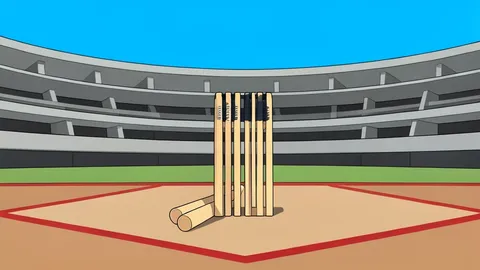
The air in Yokohama in May 1863 hung thick with the scent of salt and impending conflict. On a patch of earth near the harbor, two teams of British expatriates and navy personnel lined up for a game that was less about sportsmanship and more about survival. The wicketkeeper did not check his gloves; he checked his holster. As he moved from wicket to wicket, he carried a revolver, placing it carefully behind the stumps when the bowler approached. The ground was not empty of steel; a small force armed with rifles stood guard, eyes fixed on the distant hills where samurai were known to roam.
This was not a friendly exhibition. It was a tense standoff in the final years of the shogunate, a period where an English merchant’s murder had turned foreign resentment into a volatile powder keg. Orders had gone out for all foreigners to leave Japan by the end of June 1863. In that volatile window, the Shore Team, captained by James Campbell Fraser, faced the Navy. The fear was palpable, a physical weight on the shoulders of every player who stepped onto the pitch. They batted not just to score runs, but to assert their presence in a land that was closing its doors.
Historical Evidence Emerges
The truth of this armed cricket match lay dormant for nearly 150 years, buried in archives and forgotten diaries. It was Mike Galbraith, a dogged amateur historian, who pulled the thread in 2012. While researching sports history in Japan, he stumbled upon a Wisden obituary for Sir Harry Rawson, a British admiral noted for playing in the first cricket game in the Land of the Rising Sun. This single line of text opened a door to a deeper narrative. Galbraith tracked down an article in London’s Cricket magazine by Fraser himself, the Shore Team’s skipper. Fraser’s words painted a vivid, unsettling picture of a wicketkeeper swinging his sidearm from wicket to wicket, a bizarre ritual of protection in a sport that usually relies on leather and willow.
Galbraith’s initial timeline placed the game in late June, but a naval officer’s diary shifted the date back by a month. The match, he concluded, took place around May 12, 1863. This precision mattered because it anchored the event in a specific political moment of extreme fragility. The marines had been stationed on ships to provide security cover, a silent, armored audience to the match. Yet, for all the tension and the loaded weapons, no samurai attack materialized. The Navy team won, and Fraser’s Shore men, as he put it, got a jolly good lickin. The violence remained potential, not actual, but the shadow it cast was long.
From Samurai Shadows to Modern Pitch
Five years after that armed standoff, Scottish tea merchant J P Mollison established the first cricket club in Yokohama. But the sport struggled to take root in a culture that was rapidly embracing baseball. For over a century, cricket remained a niche pursuit, a ghost of that 1863 match. Today, the landscape has shifted. The Japanese Cricket Association reports 7,300 registered players and about 14,000 annual participants. The sport is finding its feet, no longer needing to hide behind rifles or revolvers. The tension has transformed from existential fear to competitive drive.
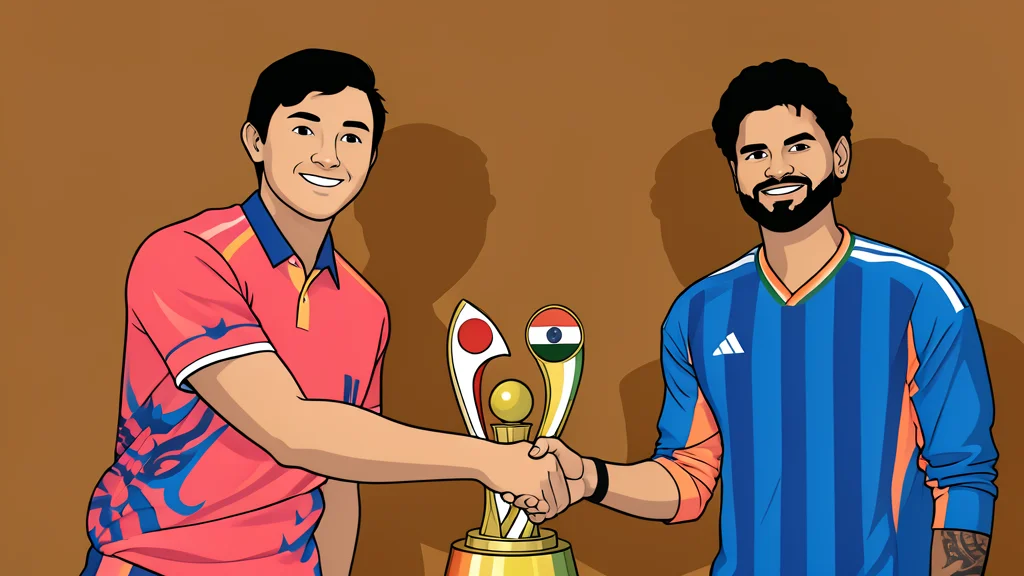
On Tuesday, India and Japan will celebrate 75 years of diplomatic ties with a T20 International at the Sano International Cricket Ground, about 80 kilometers from Tokyo. It is a historic occasion, but the atmosphere is one of celebration, not containment. The players will not carry sidearms; they will carry bats and the weight of national pride. The harbor is still there, the ships still move, but the shadow of the shogunate has lifted. The match is now purely a contest of skill, a stark contrast to the nerve-wracking, rifle-guarded game that defined cricket’s introduction to Japan. As reported by The Times of India, this modern fixture marks a full circle, a peaceful reclamation of a sport that once required a wicketkeeper to keep his revolver within arm's reach.