Japan's Cricket Dreamers Face India's Might in Nagoya

Under the Nagoya sky, Japan’s women’s cricket team faced the giants of the sport, turning a heavy defeat into a landmark moment for a minority game.
The grass at Korogi Athletic Park still hummed with the echo of a powerful strike when the stumps clattered. It was a sound that resonated far beyond the boundary rope, marking a pivotal moment for Japan’s women’s cricket team. They had just been dismantled by India, a side ranked among the world’s elite, yet the atmosphere remained charged with a distinct, electric pride. This was not just a quarter-final; it was a coming-of-age ritual for a sport fighting to find its footing in a nation obsessed with baseball.
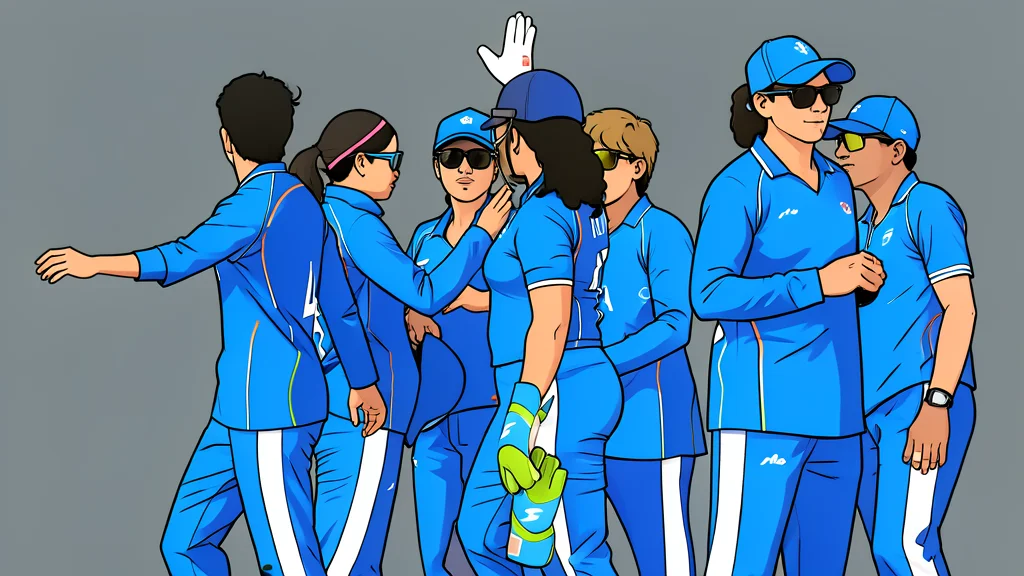
India’s bowlers moved with predatory precision, dismissing Japan for a meager 57 runs off 19.5 overs. The contrast was stark. In the Twenty20 format, the gap in skill and pace was visible in every delivery, every fielding position, and every bat on the crease. Yet, as the Japanese players gathered in the center circle, their expressions did not show despair. They showed hunger. As reported by GN sports/cricket (en-US), the team hailed the experience as 'amazing,' a testament to the value of exposure over victory in the early stages of a sport's growth.
A Personal Bridge Across Cultures
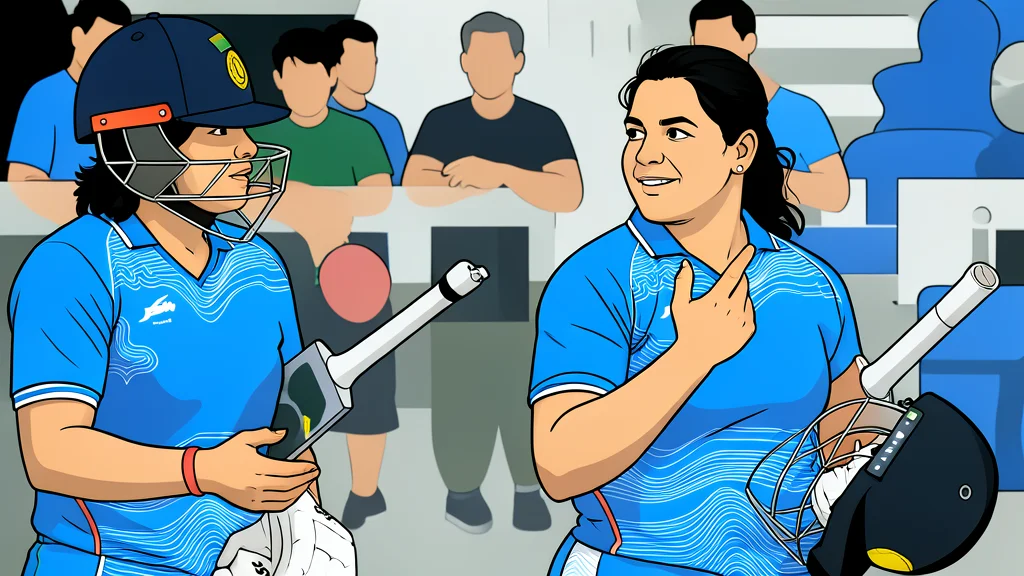
For Ahilya Chandel, the match carried a weight that extended beyond the scoreboard. Being half-Indian, she stood at the intersection of two cricketing worlds. Watching India dominate on television had been a distant, passive dream; facing them in the flesh was a visceral reality. The opportunity to measure her own skills against the likes of Shafali Verma, who smashed an unbeaten 40 off just 15 balls, was a rare gift. It was a chance to see the gap not as a barrier, but as a map for future development.
Chandel described the moment as extra special, a convergence of heritage and ambition. The experience provided a clear roadmap for what Japan needs to work on if they hope to compete at higher levels. It was a lesson in timing, in the speed of the ball, and in the mental fortitude required to face the best in the world. For a player of her background, this match was a personal milestone, a bridge built from cricket leather and willow wood.
Crowds Embrace a New Sport
The stands at Korogi Athletic Park were filled with a good-size crowd of home supporters, a sight that defied the traditional perception of cricket in Japan. Friends, family, and sponsors packed the seats, their voices rising in encouragement. Many of these fans had never watched a cricket match before, drawn in by the novelty of a new sport. This curiosity was exactly what the team hoped to inspire. They wanted to attract Japanese people who did not know cricket, to show them that the game was not just for the few, but for everyone willing to pick up a bat.
Playing at home added a layer of intimacy to the contest. The presence of familiar faces in the crowd created a safe harbor for the players, allowing them to take risks and learn from their mistakes. It was a community event as much as a sporting contest, a demonstration of the potential for cricket to grow in a country where it remains a minority sport. The energy in the stadium was a testament to the power of sport to unite and educate, even in defeat.
India’s Dominance Sets the Stage
India’s victory was a statement of intent. Led by Shafali Verma’s explosive start, the team reached 59 for 2 in just five overs, an astonishing display of batting prowess. The eight-wicket win underscored their status as defending champions and a force to be reckoned with in the Asian Games. Their performance was a masterclass in T20 cricket, showcasing the depth and talent that has made them one of the top-ranked teams in the world.
As the tournament moves toward the semi-finals, India will face Bangladesh, while Pakistan will clash with Sri Lanka. The latter had secured their spot by defeating Malaysia by 86 runs in the other quarter-final. The stage is set for intense battles, with each team vying for a place in the final. For Japan, the match against India will serve as a benchmark, a measuring stick against which they can gauge their progress in the years to come.