RCB Chants Overshadow India's Asian Games Victory

In the humid air of Nisshin, a crowd's loyalty to a franchise clashed with national pride during a dominant quarter-final win, sparking a heated debate on social media.
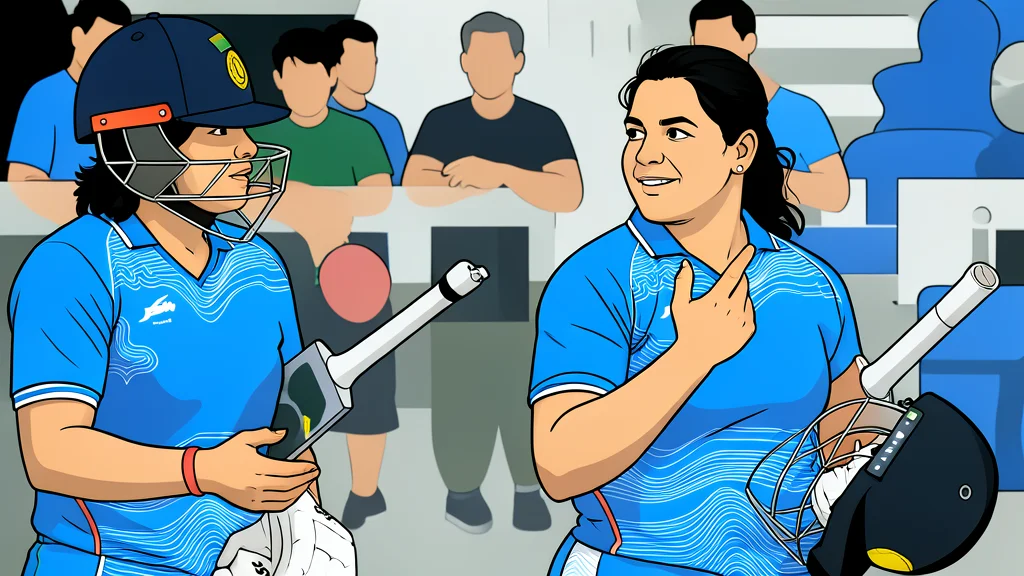
The grass at Korogi Athletic Park still held the dampness of the morning when India's bowlers closed in on Japan. The atmosphere was thick with anticipation, a tangible weight in the air that pressed against the skin. Then, as Shreyanka Patil stepped onto the pitch in the sixth over, a different sound cut through the silence. It was not the roar of a national anthem or the rhythmic clapping of support. Instead, a chorus of Royal Challengers Bengaluru chants erupted from the handful of Indian supporters present, a loud, specific declaration of allegiance that immediately fractured the unity of the moment.
The cricket itself was a masterclass in dominance. India dismantled the Japanese lineup with clinical precision, leaving little room for debate on the field. Yet, the echo of those club-side slogans lingered, turning a straightforward victory into a social media storm. As reported by Yahoo Sports, the incident sparked a sharp divide among fans, with some celebrating the passion and others condemning the misplaced focus. The tension between franchise loyalty and national duty became the defining narrative of a match that ended in a landslide.
Franchise Loyalty Clashes with National Pride
The reaction online was visceral and immediate. One user, overwhelmed by the irony, posted with tears: "Did I just hear RCB chants in Japan!!" The sentiment was echoed by others who shared video clips of the incident, capturing the raw emotion of the moment. For them, the sight of fans cheering for a private league team during a major international tournament felt like a betrayal of the occasion.
Others, however, defended the fans' enthusiasm. One supporter argued that it was simply a cricket ground, and the joy of hearing the team chant was universal, regardless of the location. This perspective highlighted the deep emotional connection fans feel toward their clubs. Yet, critics were less forgiving. One user bluntly stated, "The crowd should have chanted 'India,'" suggesting that the Asian Games demanded a different level of patriotic display. Another observer was more scathing, writing, "Seems like RCB is bigger than the nation."
Clinical Dominance on the Pitch
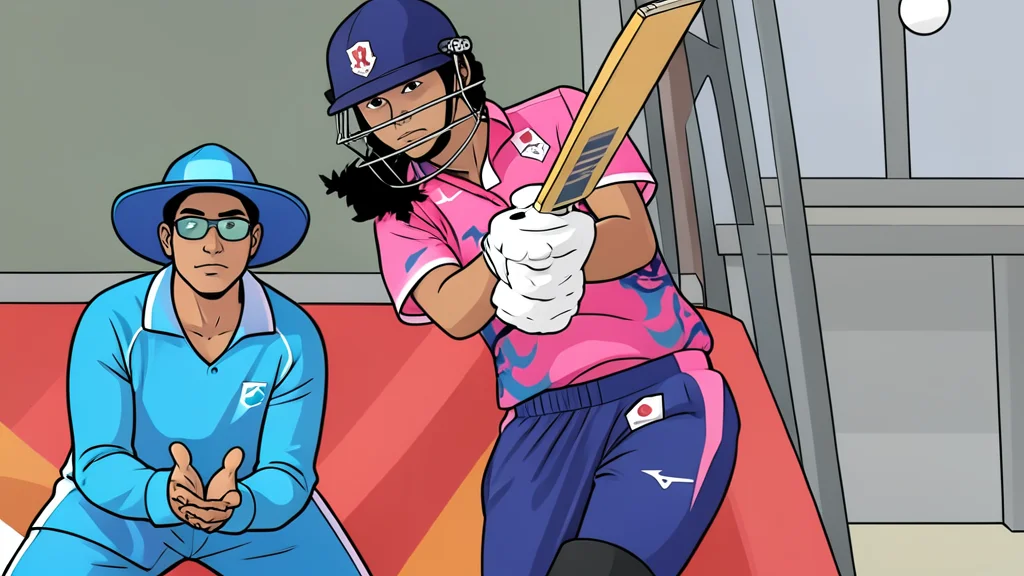
On the field, the debate was rendered moot by India's performance. Japan started reasonably well, with Haruna Iwasaki and Ayaka Kato-Stafford laying a foundation of 24 runs. But the innings collapsed under the pressure of Shree Charani, who took four wickets for just ten runs. Her bowling was relentless, a series of sharp, attacking deliveries that left the Japanese batters scrambling. The final eight wickets fell for a mere 33 runs, a testament to India's control.
The chase was even more decisive. Shafali Verma, the engine behind India's batting, struck four boundaries in the very first over, shattering Japan's confidence before it could solidify. She finished with an unbeaten 40 off just 15 balls, a strike rate that spoke to her dominance. The match ended with 15 overs to spare, a margin that underscored the gap in class between the two teams.
Echoes of a Broader Debate
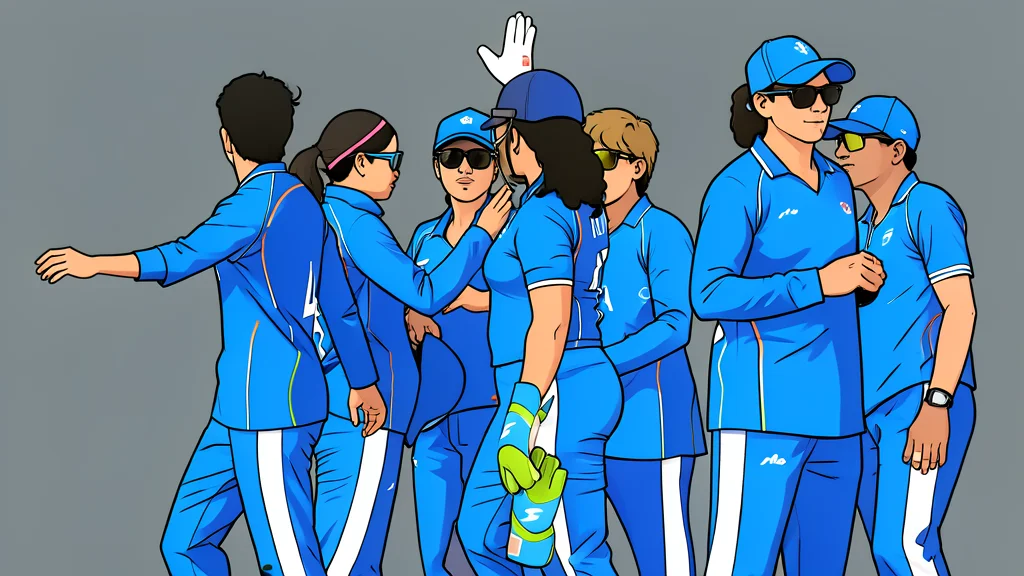
As the players celebrated their semi-final qualification, the social media discourse continued to churn. The incident in Nisshin is likely to be forgotten quickly, overshadowed by the next big match. But it highlights a persistent tension in modern cricket. The rise of franchise leagues has created intense, almost tribal loyalties that can sometimes compete with traditional national pride. For the fans in Nisshin, the chant was a moment of pure, unadulterated joy for their team. For others, it was a reminder of the complex identities that shape the sport today.
India now turns their attention to Bangladesh in the semi-final, a match that will demand a similar level of focus and execution. The chants will fade, the social media threads will scroll by, and the focus will return to the cricket. But for a brief moment, in a quiet stadium in Japan, the voice of a franchise was louder than the voice of a nation, a snapshot of the modern game's evolving culture.