RCB Chants Spark Debate Amid India's Asian Games Dominance
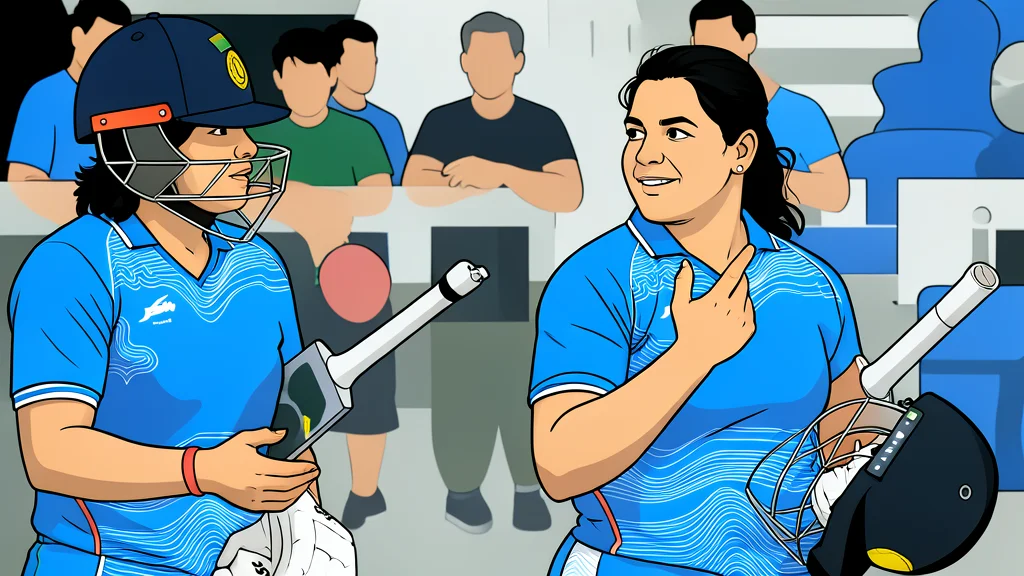
The roar of the crowd at Korogi Athletic Park carried a specific, club-based identity rather than national pride, igniting a fierce online debate.
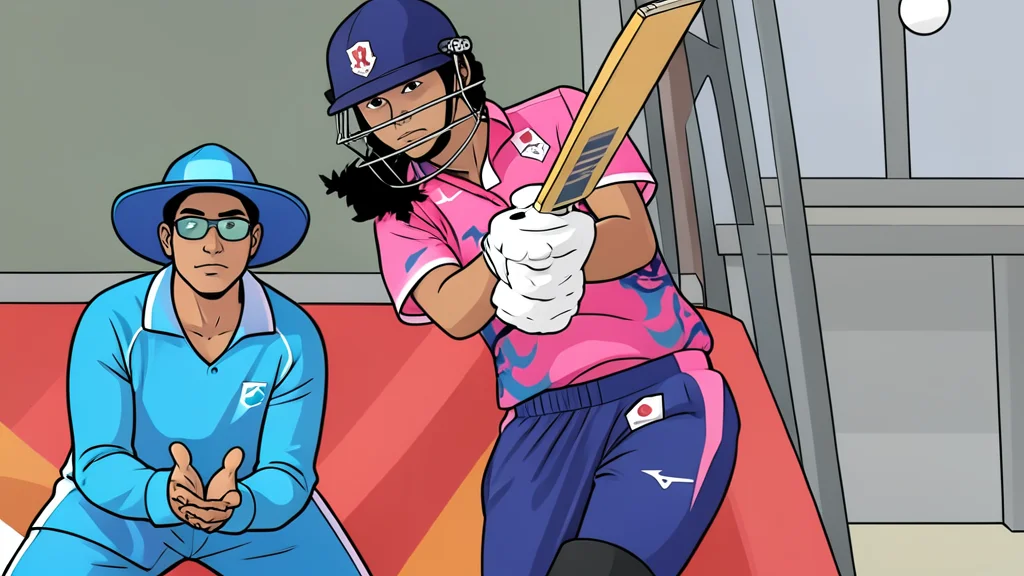
The air in Nisshin hummed with a specific, rhythmic chant as Shreyanka Patil stepped onto the pitch. It was not the national anthem, nor a generic call for victory, but the distinct slogan of the Royal Challengers Bengaluru. For a split second, the identity of the sport in the Women’s Premier League bled into the gravity of the Asian Games, creating a sonic dissonance that rippled across social media platforms. The moment was captured in video, frozen in time, and dissected by thousands of fans who watched the clip with a mix of amusement and indignation.
India’s bowlers, however, did not hear the debate. They heard the crack of the bat and the silence that followed. Shree Charani’s pace tore through the Japanese lineup with surgical precision, while Shafali Verma’s bat flashed like lightning in the afternoon sun. The match, a quarter-final contest, became a masterclass in dominance, with the hosts chasing down a modest target in a blur of strokes. The controversy over the chants lingered, a ghost in the machine of a performance that was otherwise flawless.
A Sonic Clash of Loyalties
When Patil was introduced in the sixth over, the handful of Indian supporters present erupted. The sound was unmistakable, a tribal call to arms for a franchise team. On X, the reaction was immediate and polarized. One user, crying with joy, questioned if they had truly heard RCB chants in Japan, attaching the video as proof of a strange cultural crossover. Another, equally excited, noted that it was still a cricket ground, and the passion for the club transcended the location. The joy of seeing familiar faces in a foreign arena seemed to override the formalities of international competition.
Yet, for others, the scene was a betrayal of context. A commentator on the thread argued that the crowd should have chanted for India, expressing hope that the upcoming main events would see a return to national pride. The sentiment was sharp: a club is a club, but a nation is a nation. The debate highlighted a deeper tension in modern cricket, where franchise loyalty often runs parallel to, and sometimes louder than, national allegiance. It is a trivial controversy in the grand scheme of things, but it reveals the fragmented nature of fan identity in the digital age.
Bowling Precision and Batting Fire
Japan’s innings began with a reasonable foundation, as Haruna Iwasaki and Ayaka Kato-Stafford built a partnership of 24. But the collapse was swift and total. Once the openers were gone, the resistance evaporated. Kato-Stafford top-scored with 25, but the remaining eight wickets fell for a mere 33 runs. The Japanese batters were overwhelmed by the pace and accuracy of the Indian attack, unable to find a rhythm against the relentless pressure.
Shree Charani was the architect of this dismantling. Her figures of 4 for 10 from four overs were a testament to her current form, marking her second consecutive four-wicket haul at a major event. Shafali Verma added 2 for 13, while Deepti Sharma claimed 1 for 14. The bowling attack was a well-oiled machine, each bowler knowing their role, each delivery aimed at a specific target. There was no wasted motion, no hesitation, only the cold efficiency of a team that knows what it is capable of.
A Chase That Was No Contest
The chase of 58 was a formality. Shafali Verma did not wait for the ball to come to her; she went to it. In the very first over, she smashed four fours, a display of power that signaled the end of the contest. The Japanese bowlers, G Kamalini and Bharti Fulmali, were dismissed cheaply, but their falls did little to alter the trajectory of the innings. Verma’s bat was a battering ram, striking with a force that seemed to shake the ground.
She finished with a six over long-on, sealing the victory with 15 overs to spare. Her unbeaten 40 off 15 balls, at a strike rate of 266.66, was a statement of intent. The win was not just a result; it was a display of superiority. As reported by GN auto sports/multisport, the clinical nature of the victory leaves little doubt about India’s credentials for the semifinals. The RCB chants were a footnote, a small disturbance in a performance that was defined by its overwhelming, undeniable power.