Kit Chaos Before India's Asian Games Flight
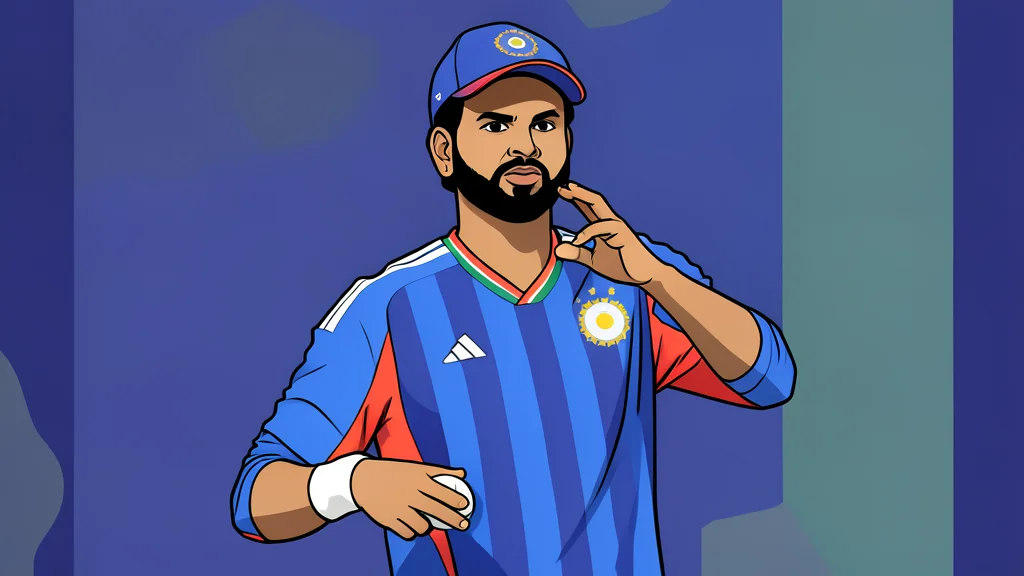
In the quiet hours before departure, a sizing dispute threatened to ground the squad just as the women secured a semi-final spot.
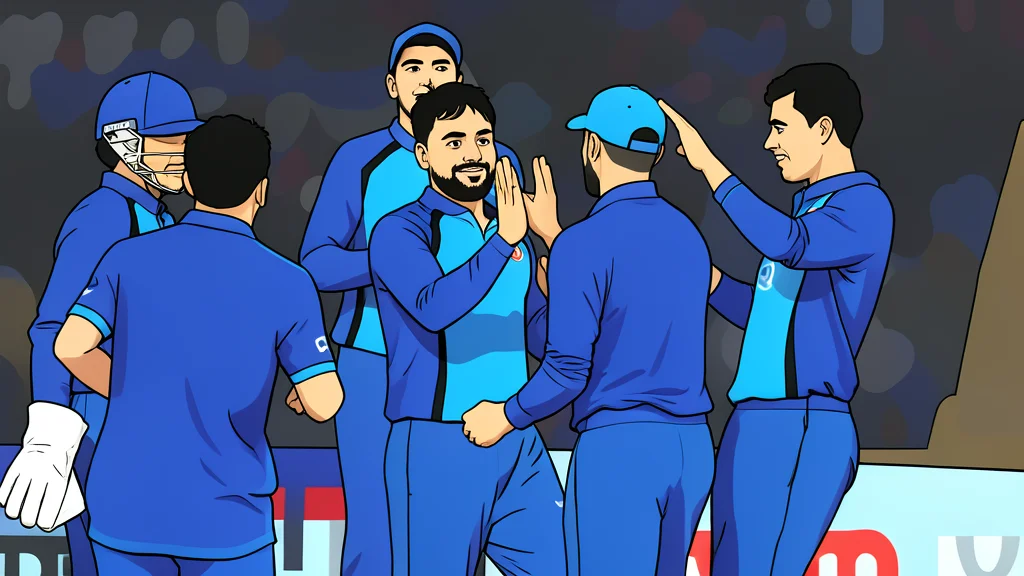
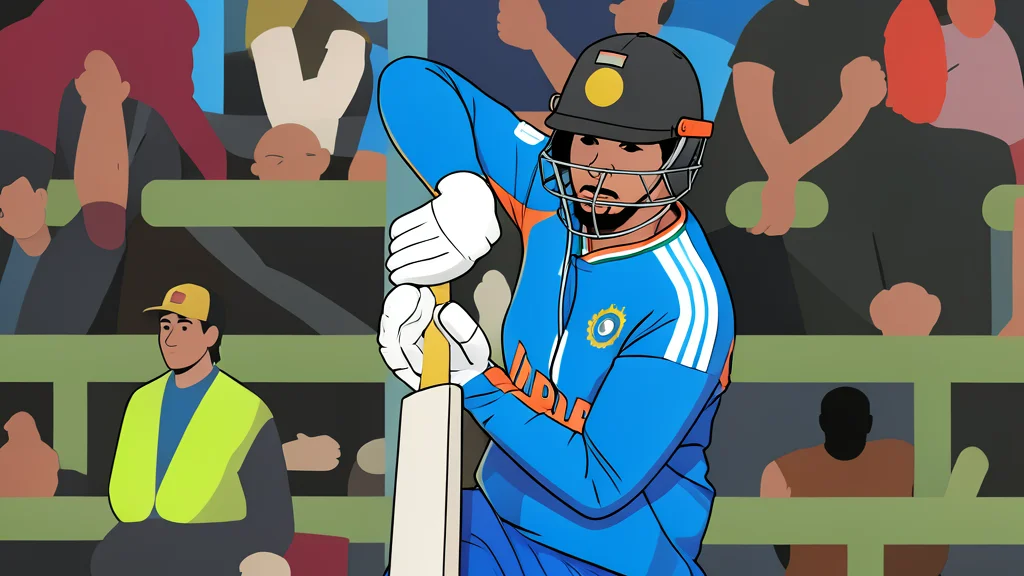
The terminal air hangs still, thick with the scent of polished leather and anticipation. In the shadow of a departing flight to Japan, a logistical knot tightened around the necks of India’s men’s cricket team. Shreyas Iyer’s squad stood ready, yet the uniformity of their appearance fractured over a mundane detail: the fit of their jerseys. It was a final-hour scramble, a friction point between the Board of Control for Cricket in India and the official kit supplier, turning a routine departure into a tense negotiation over fabric and thread.
The issue was not merely cosmetic. The players required two distinct sets of attire: the standard Board kit for a standalone match against Japan, and the official Asian Games jersey for the competitive campaign. This dual requirement created a bottleneck in the supply chain, leaving some athletes in limbo as the clock ticked toward the early Sunday morning liftoff. The resolution arrived in fragments, with most issues sorted, but a few lingering uncertainties casting a shadow over the smooth departure.
Flag Bearer Change Amidst Logistics
The ripple effects of these supply chain hiccups had already reached the ceremonial front. Tajinderpal Singh Toor, the two-time shot-put champion, had been designated as one of India’s flag-bearers for the opening ceremony. However, the absence of his official Games kit in his training base in Tsukuba forced a withdrawal. He could not travel to Nagoya without the necessary apparel, a stark reminder of how administrative delays can displace athletic honors. The role was swiftly reassigned to kabaddi star Pawan Sehrawat, who will now carry the tricolour alongside Manu Bhaker at the stadium.
According to reports from Yahoo Sports and other outlets, the Indian Olympic Association acknowledged the sizing discrepancies. An official source noted that the majority of the problematic kits had been rectified, with the remaining items expected to reach the squad before the flight. The incident underscores the fragile balance between high-stakes competition and the often-invisible machinery of logistics that supports it.
Women Secure Semi-Final Spot
While the men’s team navigated these final hurdles, the women’s squad had already carved their path forward. Harmanpreet Kaur’s team delivered a commanding performance against host nation Japan, winning by eight wickets in the quarter-finals. The victory was built on a disciplined defense, with Shree Charani claiming four wickets to restrict Japan to a meager 57 runs. The chase was swift and decisive, capped by Shafali Verma’s explosive strike of 40 off just 15 balls, ensuring India reached the semi-finals with 15 overs to spare.
This result guarantees the women’s team at least a bronze medal, setting the stage for a clash with Bangladesh on September 20. The men’s competition follows a structured format, with the group stage beginning on September 24. India, as defending champions, enters the quarter-finals directly on September 28, facing the runner-up from Group A. The road to gold remains open, but the journey has already been marked by both athletic brilliance and administrative turbulence.