Leicestershire Relegated After Pitch Damage and Film Shoot

A scorching sun and a film crew left the cricket surface cracked and dry, costing Leicestershire vital points in a final, desperate bid to stay in Division One.
The sun hung heavy and white over Grace Road, baking the clay until it split into jagged, thirsty fissures. It was not just the heat that broke the ground; it was the chaos of a film shoot that rushed through the outfield, leaving behind a surface too fragile to bounce a ball. For Leicestershire, the damage was not merely physical but administrative. The club sat at the bottom of the Division One table, a shadow of its storied past, weighed down by a 27-point deduction that turned a season of effort into a math problem with no solution.
The referee’s report was blunt. Forty-three instances of uneven bounce had been recorded during the match against Glamorgan, each one a testament to the pitch’s broken state. The regulator’s ruling stripped the club of the 19 points from that victory, adding an eight-point penalty for the poor condition. Another eight points hung in the air, suspended until the season’s end, a threat waiting to be realized if the surface failed again. The air in the dressing room was likely thick with disbelief, the kind of silence that follows a blow you did not see coming.
Bollywood’s shadow on the pitch
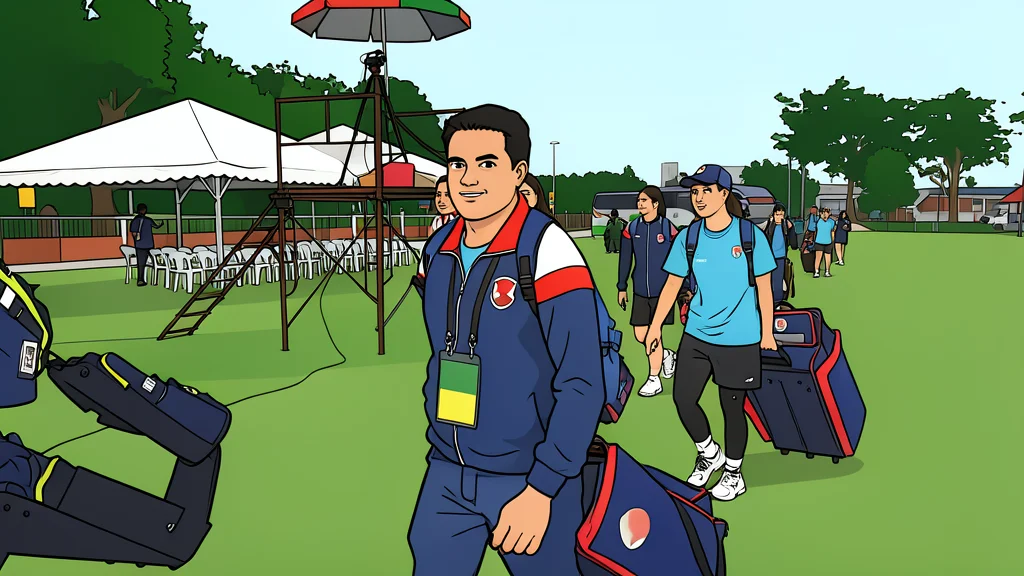
Callum Lewin, the head groundsman, stood before the regulator with a simple defense: the conditions were beyond his control. The temperature had spiked to 35 degrees Celsius, a blistering heat that drained the moisture from the earth. Then came the unscheduled Bollywood filming event, a single day of activity that locked him out of his work. He was forbidden from covering the pitch or performing essential maintenance, leaving the surface exposed to the blazing sun for hours. The film was a biopic of Sourav Ganguly, a star whose career had spanned continents, but his presence on the field had left a mark that the club could not afford to keep.
Lewin argued that he had tried to compensate, watering the ground relentlessly to fight the dryness. But the regulator’s view was cold and procedural. Risk management, they wrote, should have anticipated the need to protect the pitch during the event. The club was ultimately responsible for the state of the surface, regardless of the external factors. The decision was not an accident; it was a failure of foresight in the eyes of the law.
A season on the brink
The news landed late on a Wednesday night, just as Leicestershire was preparing to face Hampshire in their penultimate match. The timing was cruel, a verdict delivered in the middle of the battle. The club now faces a final, solitary trip to Warwickshire in late September, a match that feels less like a game and more like a formality. The path to survival is narrow, paved with points that no longer exist.
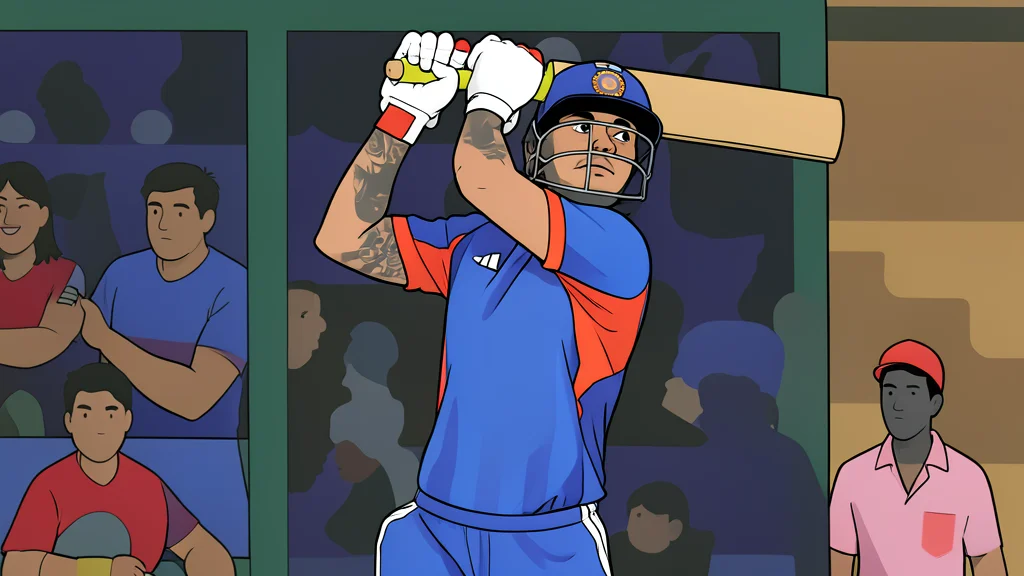
Ganguly, the subject of the film, had once worn the county’s colors, amassing thousands of runs in the early 2000s. His legacy was one of elegance and power, a stark contrast to the jagged, broken ground that now defines Leicestershire’s reality. The irony is sharp, a film about greatness causing a club to fall. The dust settles, but the cracks remain, a testament to a season where the sun and the camera were the true opponents.