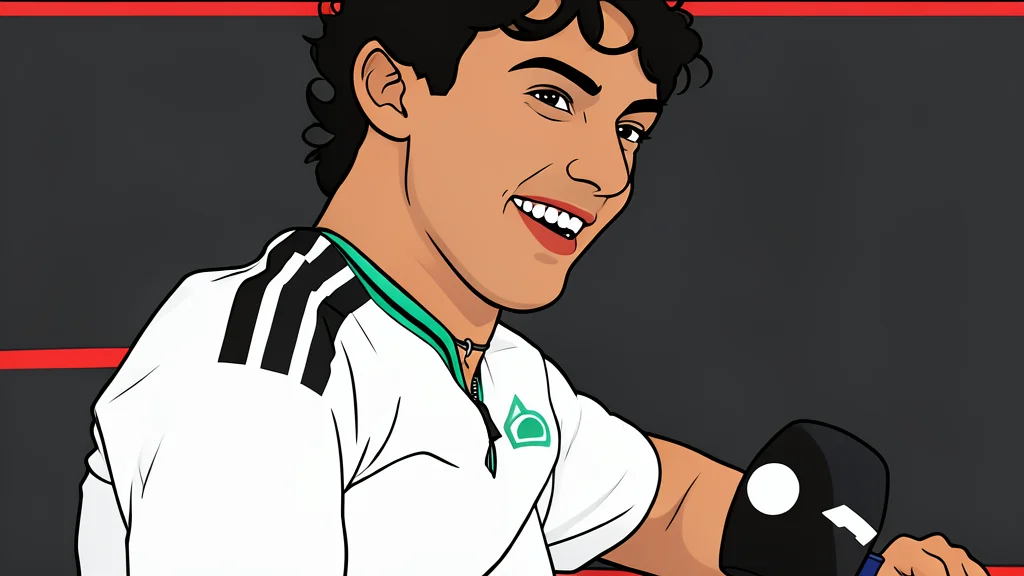
Clay Court Silence: Townsend Withdraws for Emergency Surgery
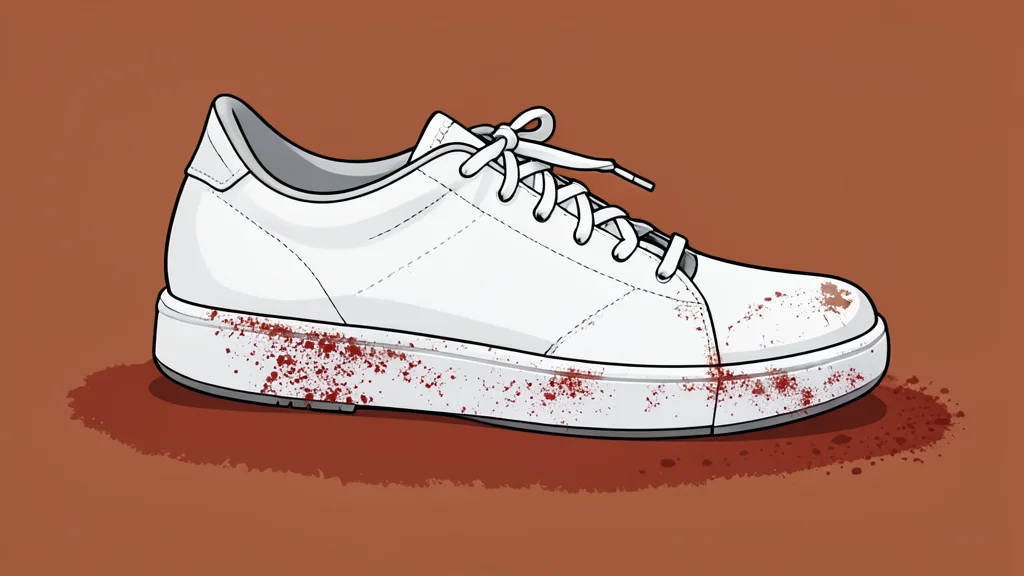
The red dust of Guadalajara still clung to Taylor Townsend’s shoes when the silence fell. A few hours after celebrating her first Grand Slam, the 30-year-old announced she would not play her next match. The reason was medical, urgent, and private.
The arena in Guadalajara hummed with the low, electric buzz of anticipation, but for Taylor Townsend, the air had turned to lead. She stood on the edge of the court, the white lines of the clay stark against the red surface, yet her feet felt rooted. The victory at the US Open, a shimmering memory from days past, now felt like a fever dream. She had not come here to rest. She had come to play, to feel the bounce of the ball, to chase another title. But the body has its own language, and it had spoken with a finality that no amount of will could override. The withdrawal was not a choice; it was a command from within, a biological imperative that silenced the crowd before they even knew the news.
The announcement came via a stark, black-and-white post on social media, a digital echo in a physical world. "Due to an emergency operation, I must withdraw from the GDL Open," she wrote. The words were clean, precise, and devoid of the usual fanfare. There was no explanation of the pain, no detail of the symptoms. Just the fact of the surgery, a sudden, jagged interruption to the rhythm of her season. The image accompanying the text was a simple shot from a hospital bed, the white sheets contrasting sharply with the vibrant colors of the tournament. It was a visual pause, a hard stop in the narrative of her momentum.
A Victory Before the Storm
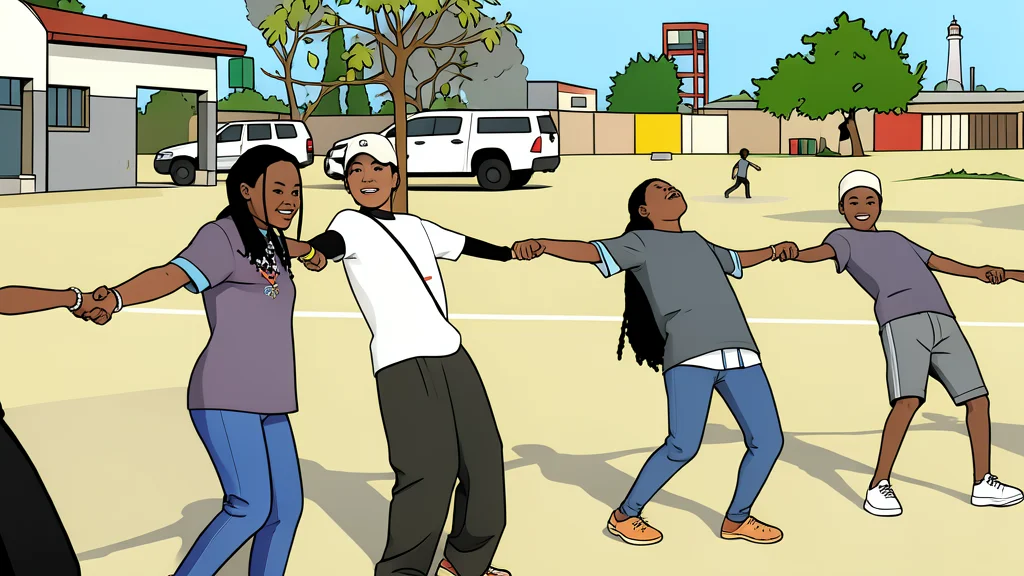
Just days earlier, the atmosphere was entirely different. The air in New York had been thick with the smell of summer and the crack of leather on strings. Townsend and her partner, Katerina Siniaková, had moved through the doubles draw with a fluidity that seemed almost effortless. Their final match against Ashlyn Krueger and Robin Montgomery was a battle of nerves and reflexes, a dance of anticipation and reaction. When the final point landed, the joy was explosive, a release of tension that had built over months of training. They had completed their career Grand Slam, a feat that placed them in the rarefied air of tennis history. The trophy was heavy, the champagne cold, the smiles wide.
That triumph had cast a long shadow over the following week. Townsend arrived in Mexico with the weight of that success behind her, a badge of honor and a target on her back. Her first match in Guadalajara had been a test of nerves, a tight three-set battle against Tatjana Maria. She had won, 6:7, 6:3, 6:2, a victory that felt hard-earned and fragile. The points were sharp, the rallies long, the sweat stinging her eyes. She had played with a focus that bordered on obsession, every movement calculated, every shot precise. It was a performance that spoke of her hunger, her desire to keep the momentum going, to prove that the Grand Slam win was not a fluke but a stepping stone.
The Quiet After the Noise
The withdrawal left a void in the tournament draw, a space that could not be filled. The other players, who had been watching her from the sidelines, now had a new path to navigate. The absence of Townsend changed the dynamics of the competition, the way a missing piece in a puzzle alters the whole. The organizers, the sponsors, the fans, all had to adjust to the sudden change. The narrative of the tournament, which had been built around her presence, now had to be rewritten. It was a reminder of the fragility of the athlete, the way a single moment can disrupt a carefully constructed plan. The court remained empty, the ball still white, the clay still red, but the energy had shifted.
Townsend’s statement to the tournament organizers was brief but pointed. She expressed her disappointment, her frustration, but also her determination to return. "I look forward to coming back next year to the best tennis fans," she said. The words were a promise, a commitment to the future. They were a rejection of the present, a refusal to let the pain define her. The surgery was a setback, a temporary loss, but it was not the end. The clay court would wait for her, the ball would wait for her, the fans would wait for her. The silence in Guadalajara was not a funeral; it was a pause, a breath held in anticipation of what comes next.
A Private Medical Crisis
The details of the emergency operation remained private, a sealed envelope in the public eye. There were no interviews, no press conferences, no explanations. The mystery of the injury added a layer of intrigue to the story, a question mark that hung in the air. Fans speculated, journalists guessed, but the truth remained with Townsend and her medical team. It was a boundary, a line that was not to be crossed. The privacy was a shield, a protection against the scrutiny that comes with fame. It was a reminder that even in the spotlight, there are things that belong to the individual, that are not for public consumption. The silence was a choice, a reclamation of agency in a moment of vulnerability.
The incident highlighted the physical toll of the professional tennis circuit, the way the body is pushed to its limits, the way pain is often a silent companion. Townsend’s case was an extreme example, a dramatic interruption, but it was a reminder of the constant negotiation between risk and reward. Every match, every training session, every flight, carries a cost. The glory of the Grand Slam win came at a price, a physical debt that had to be paid. The surgery was the payment, a necessary intervention to ensure her long-term health. It was a sobering moment, a reminder that the body is not a machine, that it has limits, that it demands respect. The clay court, for now, was silent.