Trophy Left Behind as India Men and Women Reject ACC Handover
The golden cup sits silent in an office in Dubai, untouched by the hands of the champions who defeated Sri Lanka by 72 runs. In the dimly lit space, the weight of the 2025 Pahalgam attack hangs heavier than the metal itself, turning a routine presentation into a geopolitical standoff.
The Dubai International Cricket Stadium hummed with the residual electricity of a 72-run victory. Harmanpreet Kaur’s India had just secured their record-extending eighth Women’s Asia Cup title, a win that should have ended in a shower of confetti and a raised trophy. Instead, the players turned their backs on the dais. They walked off the field, leaving the presentation ceremony to dissolve into empty air. The trophy remained, a golden object suspended in a vacuum of protocol and politics, unclaimed by the hands that earned it.
This is not a new silence. It echoes the decision made by the men’s team a year and a half ago, a precedent set against the backdrop of rising tensions. The Asian Cricket Council chairman, Mohsin Naqvi, stood ready to hand over the prize. He is also the Pakistan Cricket Board chairman and the country’s interior minister, a dual role that places him at the center of the diplomatic friction. The Indian delegation refused the gesture, not as a slight to the game, but as a stand against a leader they view as working against their national interests.
Protocol Meets Political Standoff
BCCI secretary Devajit Saikia framed the refusal as a direct consequence of the April 2025 Pahalgam terror attack. He explained that while the government mandates participation in multinational tournaments, it does not require adherence to every condition laid out by opponents. The military conflict, he noted, is ongoing. To accept the trophy from Naqvi would be to validate a figure who represents the state responsible for the attack. The women’s team, Saikia said, expressed solidarity with the men’s earlier decision, turning a sporting ritual into a statement of collective grief and resistance.
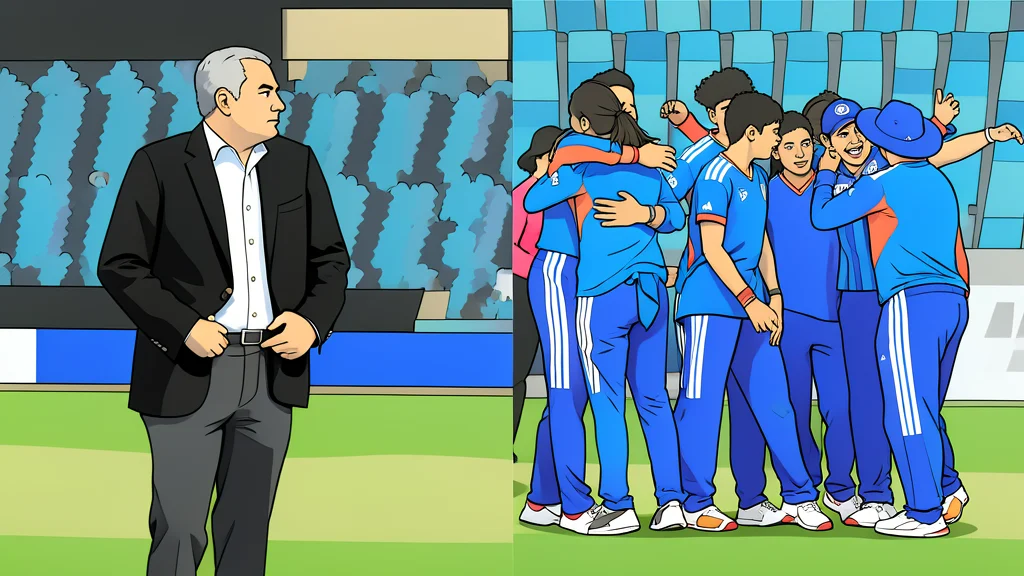
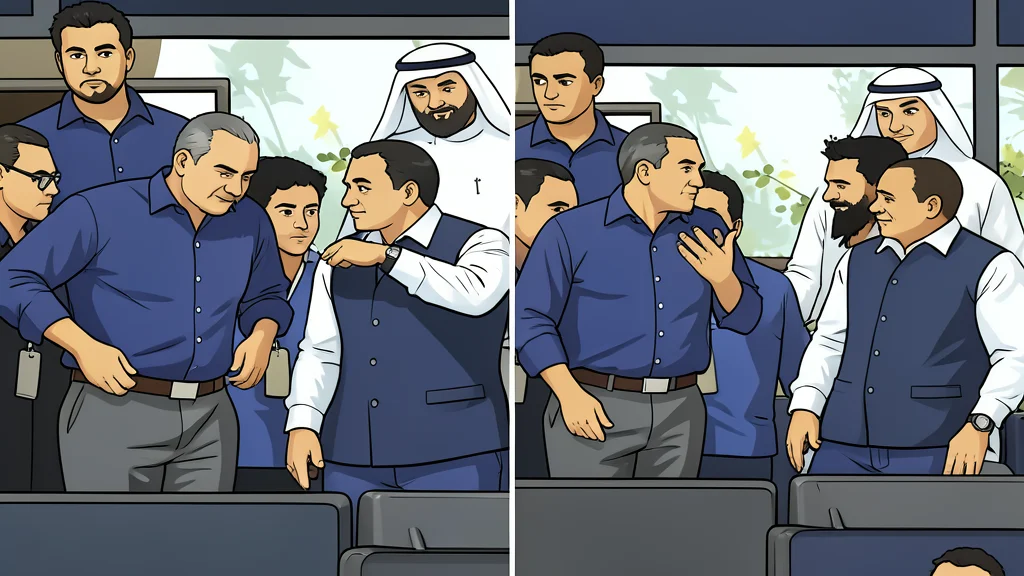
Yet, the cameras captured a different scene in the Royal Box. While the players stayed away, Saikia and BCCI vice-president Rajeev Shukla were seen in close proximity to Naqvi. The footage showed the two officials engaging in conversation, a visual contradiction to the hardline stance. Saikia defended the meeting as standard match-day protocol. He described the Royal Box as a neutral ground where everyone sits, talking, and meeting. It was a distinction between diplomatic courtesy and symbolic acceptance, a fine line that blurred in the broadcast.
Echoes of a Previous Refusal
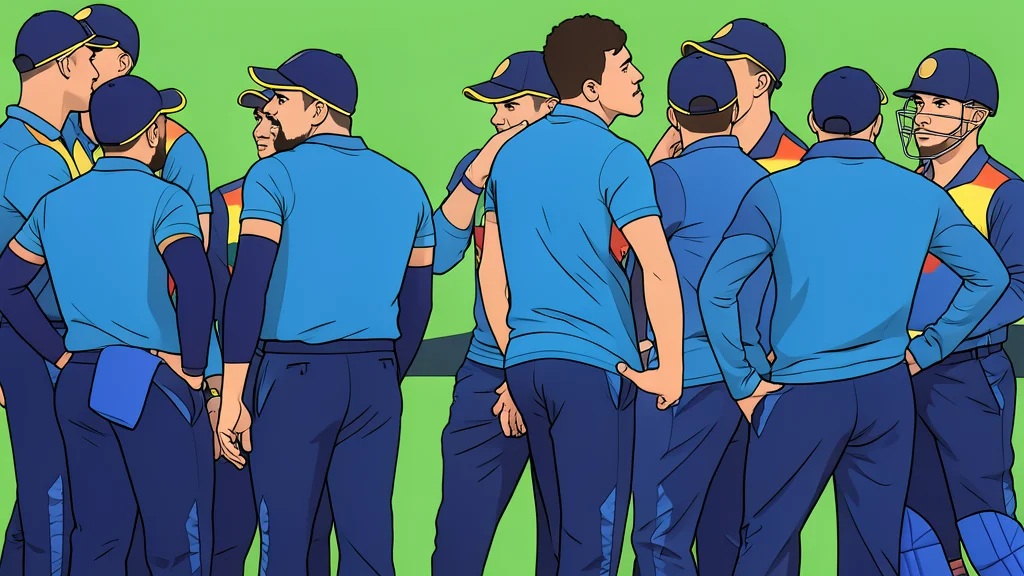
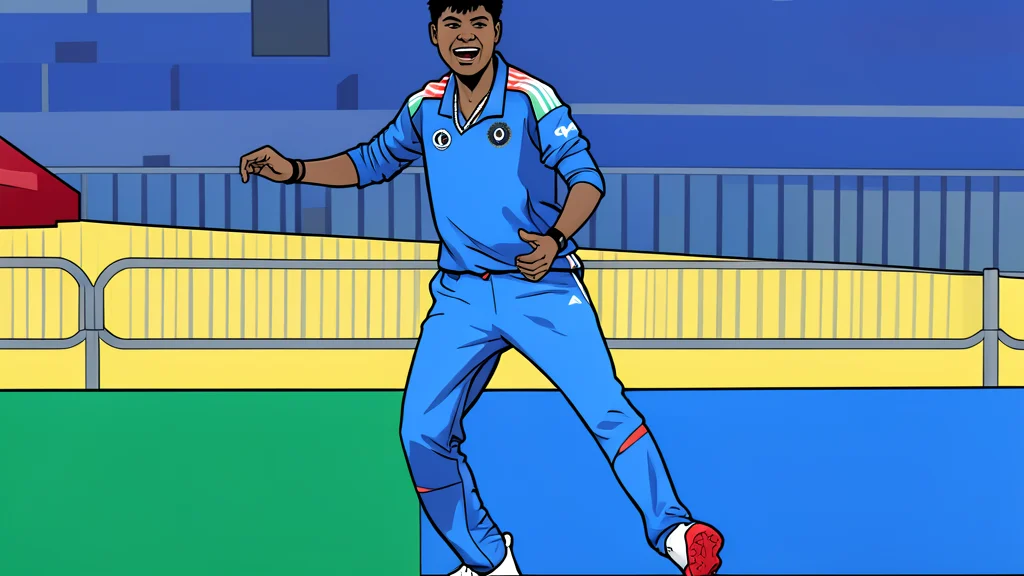
The pattern is stark. Last year, the men’s team, led by Suryakumar Yadav, also declined the physical prize. They held an impromptu celebration on the dais, their joy unmarred by the absence of the metal, yet the trophy remained in the ACC office. This time, the women’s team did not even return to the ground. The only recognition they received was an in-house best fielder medal for Nandini Sharma, presented by Saikia himself. The physical prize, the symbol of their dominance, remains locked away, a testament to a rift that cricket alone cannot bridge.
The scene in Dubai is a microcosm of the larger geopolitical friction. The trophy, a symbol of sporting excellence, has become collateral in a diplomatic dispute. The players celebrated their victory, their skill undisputed, but the act of receiving the prize was deemed too heavy a burden. The golden cup sits in the ACC office, waiting for a time when the political and the personal might align again. Until then, it remains a silent observer of a game played under the shadow of statecraft.
Silence in the Royal Box
The meeting in the Royal Box was not a secret. It was broadcast to millions, a visual record of the interactions that defied the narrative of total isolation. Saikia’s explanation was calm, grounded in the routine of the game. He spoke of sitting from the toss to the end, of people coming and going, of normalcy. But the context of the refusal lent those words a different weight. It was a performance of normalcy in an abnormal situation, a way to maintain the facade of sportsmanship while the underlying tensions simmered.
The story, as reported by GN sports/cricket (en-US), highlights the increasing entanglement of cricket and politics. The players are no longer just athletes; they are representatives of a state in conflict. The trophy, once a pure symbol of merit, is now a contested object, a point of leverage and resistance. The silence on the field is loud, a testament to the power of refusal in a world where the game is played on a global stage but governed by local tensions.