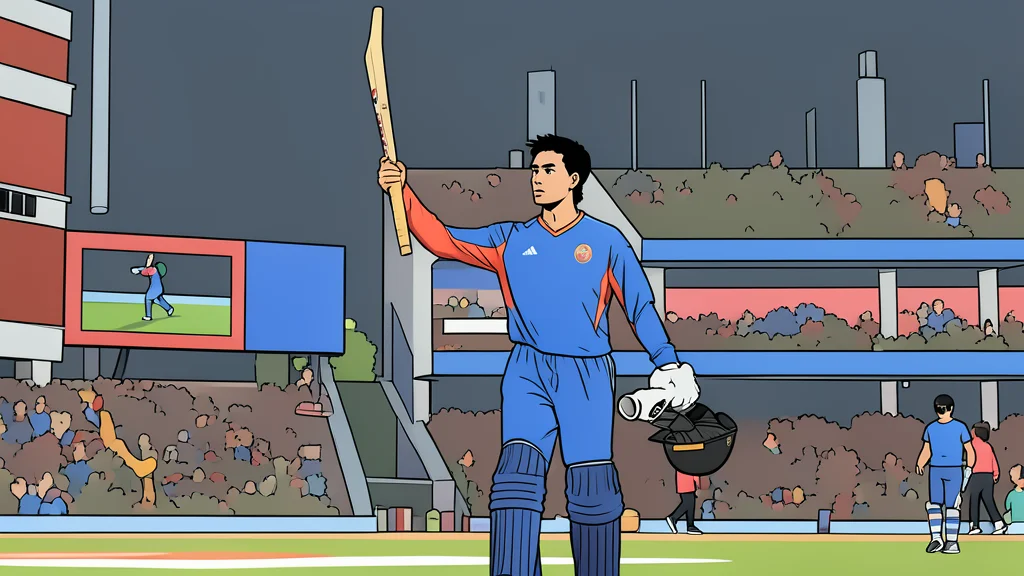
Women's Cricket Returns to Aichi for 2026 Asian Games
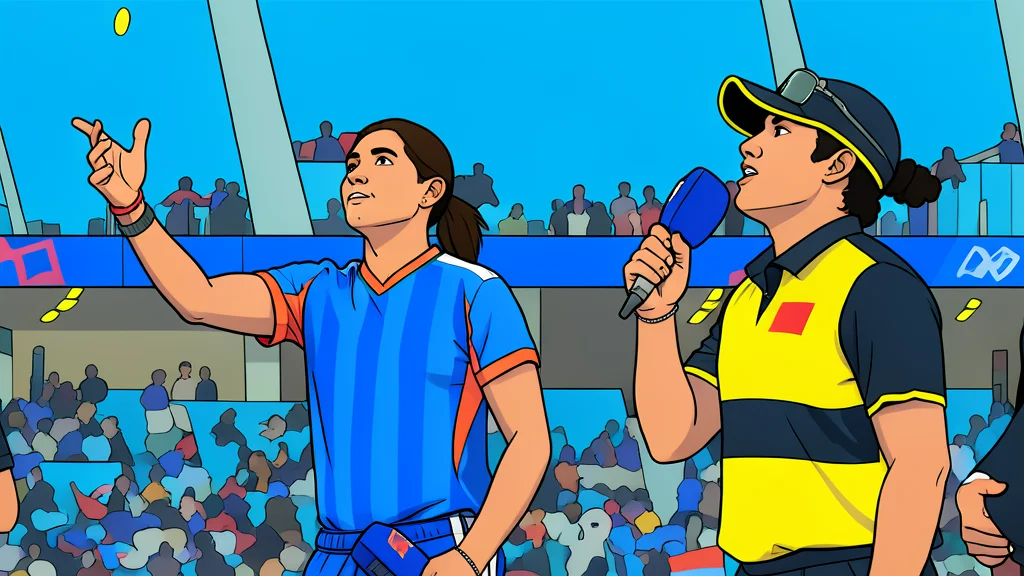
Eight nations converge on the grass in Aichi for a high-stakes T20 knockout, with India defending their crown against a field of rivals.
The turf at Korogi Sports Park in Nisshin, Aichi Prefecture, stands ready to absorb the sharp crack of willow against leather. From September 17 to 22, 2026, the air in Japan will hum with the anticipation of eight teams chasing a single golden medal. This is not merely a tournament; it is a return of a format that vanished for a cycle, now reborn with sharper edges and higher stakes. The grass is green, the nets are taut, and the history of the game hangs heavy in the humid air.
India arrives as the defending champions, their confidence forged in Dubai just days before the opening ball is bowled. They defeated Sri Lanka by 72 runs in the 2026 Women's Asia Cup final, a margin that speaks to dominance rather than luck. But the path to the podium in Japan is narrow. Pakistan, the original architects of this format's success at the 2010 and 2014 Games, await. Sri Lanka, the recent final opponents, and Bangladesh, the bronze medalists from Hangzhou in 2023, all bring distinct weapons to the field. The knockout structure offers no second chances; one slip, one misjudged line, and the dream dissolves into the heat of the Japanese summer.
A Format Forged in History
Women's T20 cricket first took the stage at the Asian Games in Guangzhou in 2010, where Pakistan claimed the inaugural gold. They held the title in 2014, establishing a legacy that was interrupted when the sport was dropped from the 2018 program. The format returned in 2023 in Hangzhou, where India made their debut with a 19-run victory over Sri Lanka. Now, in 2026, the competition expands to eight nations, including Japan, China, Malaysia, and Thailand. The field is broader, the stakes higher, and the narrative more complex as new contenders test the established order.
Knockout Rounds Define the Timeline
The schedule is a relentless march toward a single day of glory. Quarter-finals ignite the competition on September 17, with Bangladesh facing China and Pakistan meeting Thailand. The following day, Malaysia clashes with Sri Lanka, while India takes on host nation Japan. Semi-finals are scheduled for September 20, narrowing the field to the strongest two sides. The final two days, September 22, host both the bronze and gold medal matches. Every game at Korogi Sports Park is a gate; pass through, or be eliminated. There is no pool stage to cushion the blow, no net to catch the falling stars.
Global Broadcasts Span the World
According to Yahoo Sports, the coverage is as vast as the sport's reach. In India, Sony Sports Network and SonyLIV carry the live action. Japan viewers can tune in via JNN, TBS, Abema, or U-Next. Pakistan fans have access through PTV Sports and its digital platforms, while Bangladesh relies on Akash Digital TV and Akash Go. The United States and Canada follow the action on Willow TV and Willow by Cricbuzz. Australia, New Zealand, and the Pacific Islands have their own dedicated feeds, ensuring that the sound of the game resonates across continents. For those in the UK and Ireland, however, no official broadcasts are listed, a quiet gap in an otherwise global echo.